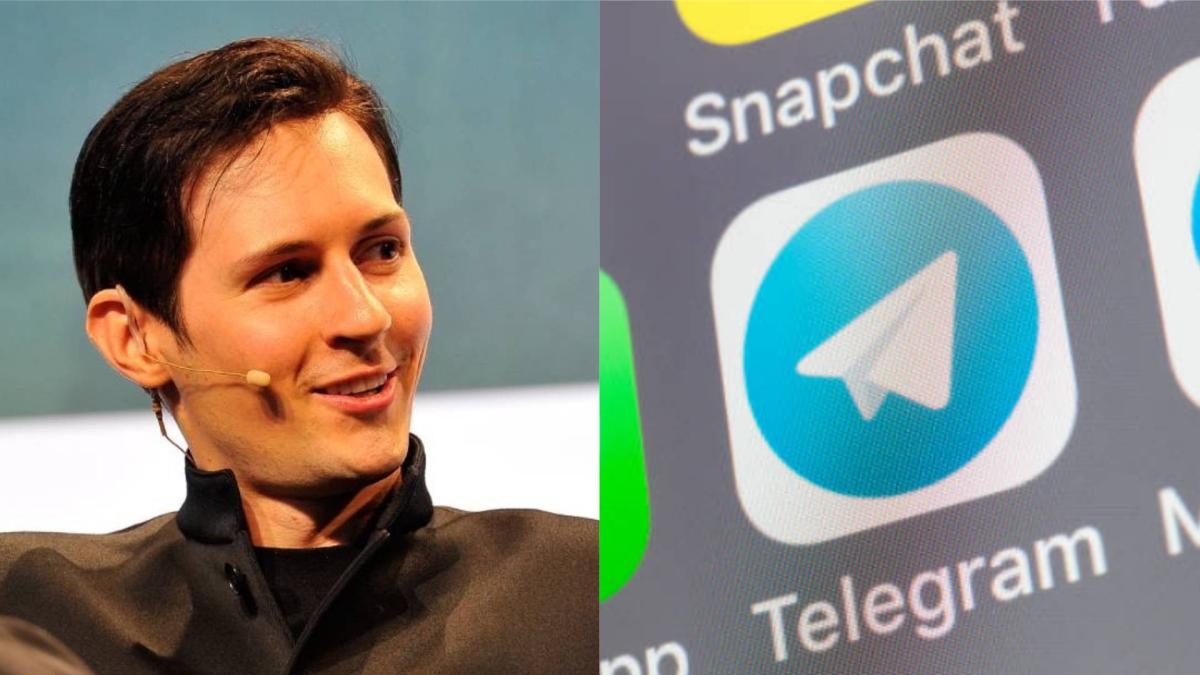
The FSB claims the messenger app, created by Pavel Durov, has failed to remove accounts and channels used for recruitment by Ukraine's secret service.
How the world covered this
Read the editorial comparison
Prose synthesis of how each outlet framed the story, with side-by-side outlet quotes and divergence notes.
4 articles from 4 sources
01

02
The international wanted notice against Pavel Durov comes after the FSB said that Telegram had failed to remove “numerous channels, chats, and bots” allegedly used by “Ukrainian intelligence agencies and terrorist and…

03
The technology magnate is accused of allowing the popular messaging app to be used by Ukrainian security services.

04
Rusia intensifica el control de internet con una orden de captura contra Pavel Durov, fundador de Telegram: las claves de la acusación por terrorismo
In recent months Russia has tightened restrictions on social media and messaging apps while pushing MAX.
AI read
What the coverage agrees on, and where it splits
This view is generated from the clustered articles, so it is best read as a map of coverage rather than a replacement for the source reporting.
Broadly agreed
- All covering sources confirm Russia's FSB has charged Durov and issued an international wanted notice, citing Telegram's failure to remove terrorism-linked content.
Contested framing
- Japan Times and El Tiempo emphasize Russia's geopolitical motivation—Telegram's use by Ukrainian forces—as the real driver of the charges; BBC and The Hindu frame it primarily as a content moderation and press freedom institutional challenge.
- El Tiempo frames the charges as part of Russia's broader internet control strategy including promoting its own MAX platform; other outlets do not connect the Durov prosecution to state media competition.
Still unclear
Whether the international wanted notice will result in any country actually extraditing or detaining Durov, and how Telegram will respond operationally to Russian pressure, has not been confirmed.
Notable omissions
The French legal proceedings against Durov from 2024 are not contextualized in most summaries; Telegram's own statement on the Russian charges (they 'reject the allegations') is only reported by BBC in the context of Australia's separate legal action.
Quality check
Charges and wanted notice confirmed; extradition likelihood and Telegram response strategy remain speculative.
- Whether international wanted notice will result in actual extradition unconfirmed
- How Telegram will respond operationally to Russian pressure unconfirmed
- French legal proceedings from 2024 not contextualized in most summaries
- Divergence between outlets emphasizing geopolitical motivation (Japan Times, El Tiempo) vs. content moderation framing (BBC, Hindu)
Review confidence: 73%
Signal strength
4/5
Narrative divergence
4
Sources compared
1
Days in coverage
How each outlet frames this story
Divergence
4/5
Narrative Divergence
How differently the sources covering this story frame it — measured by tone, emphasis, and what each outlet chooses to highlight or omit.
1 — Sources frame the story almost identically
2 — Minor differences in tone or emphasis
3 — Noticeable differences; some outlets highlight what others omit
4 — Stark contrasts; conflicting narratives
5 — Sources tell fundamentally different stories
British
BBC reports Russia charged Durov with facilitating terrorism, with FSB claiming Telegram failed to remove accounts used for recruitment, framing through institutional accountability and press freedom implications.
Indian
The Hindu explains why Durov is on Russia's wanted list, noting the FSB's claim that Telegram failed to remove 'numerous channels' linked to terrorism, framing through institutional governance challenge.
Japanese
Japan Times reports Russia charging Durov with aiding terrorism, specifically accusing him of allowing Telegram to be used by Ukrainian security services, revealing the geopolitical dimension.
Colombian
El Tiempo frames Russia's arrest warrant as part of Russia tightening internet controls while pushing its own MAX messaging platform, framing through governance accountability and state media control.