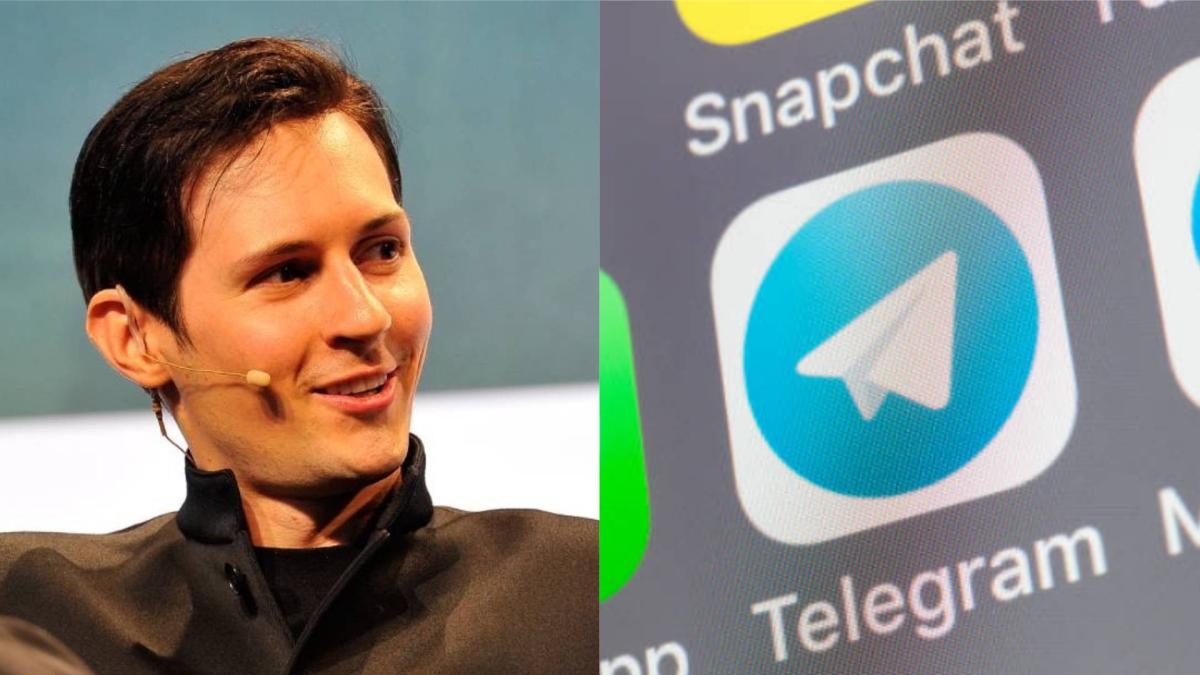
Russia charges Telegram founder Durov with facilitating terrorism
The FSB claims the messenger app, created by Pavel Durov, has failed to remove accounts and channels used for recruitment by Ukraine's secret service.

Russia's FSB has charged Telegram founder Pavel Durov with facilitating terrorism by refusing to remove accounts used for recruitment, marking a major escalation in state attempts to control encrypted...
Japan Times leads with 'Russia charges Telegram founder Durov with aiding terrorism,' then explains 'The technology magnate is accused of allowing the popular messaging app to be used by Ukrainian security services,' revealing the geopolitical driver. El Tiempo frames the charges within 'Russia's broader internet control strategy including promoting its own MAX platform,' contextualizing Durov's prosecution as part of state media competition and digital sovereignty assertion.
BBC News reports FSB claims that Telegram 'failed to remove accounts and channels used for recruitment by Ukraine's,' presenting the terrorism rationale without explicit geopolitical commentary. The Hindu explains this is 'not the first time' Telegram has faced such accusations, treating it as a content moderation conflict within the platform's business model. BBC and The Hindu focus on platform accountability and press freedom dimensions, while Japan Times and El Tiempo foreground Russia's strategic interest in controlling messaging infrastructure and marginalizing Ukrainian communication capacity.
Russia charges Telegram founder Durov with facilitating terrorism
Why is founder of Telegram on Russia's wanted list explained
Russia charges Telegram founder Durov with aiding terrorism
Russia intensifies internet control with arrest warrant against Pavel Durov
Whether the international wanted notice will result in any country actually extraditing or detaining Durov, and how Telegram will respond operationally to Russian pressure, has not been confirmed.
The French legal proceedings against Durov from 2024 are not contextualized in most summaries; Telegram's own statement on the Russian charges (they 'reject the allegations') is only reported by BBC in the context of Australia's separate legal action.
BBC reports Russia charged Durov with facilitating terrorism, with FSB claiming Telegram failed to remove accounts used for recruitment, framing through institutional accountability and press freedom implications.
The Hindu explains why Durov is on Russia's wanted list, noting the FSB's claim that Telegram failed to remove 'numerous channels' linked to terrorism, framing through institutional governance challenge.
Japan Times reports Russia charging Durov with aiding terrorism, specifically accusing him of allowing Telegram to be used by Ukrainian security services, revealing the geopolitical dimension.
El Tiempo frames Russia's arrest warrant as part of Russia tightening internet controls while pushing its own MAX messaging platform, framing through governance accountability and state media control.
This page maps the coverage. The 4 articles below are the original reports the comparison is drawn from — open them for each publisher's full reporting.
The FSB claims the messenger app, created by Pavel Durov, has failed to remove accounts and channels used for recruitment by Ukraine's secret service.
The international wanted notice against Pavel Durov comes after the FSB said that Telegram had failed to remove “numerous channels, chats, and bots” allegedly used by “Ukrainian intelligence agencies and terrorist and…

The technology magnate is accused of allowing the popular messaging app to be used by Ukrainian security services.
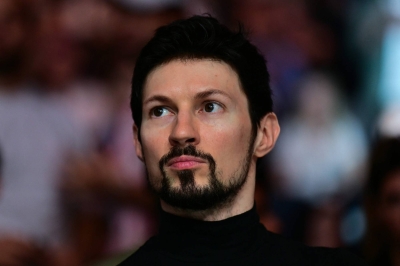
In recent months Russia has tightened restrictions on social media and messaging apps while pushing MAX.