On July 26, the Houthis attacked the Aramco refinery in Jizan and export facilities at Yanbu, both considered vital installations.
How the world covered this
Read the editorial comparison
Prose synthesis of how each outlet framed the story, with side-by-side outlet quotes and divergence notes.
9 articles from 5 sources
01

03
Traffic was still below the month’s peak of 46 vessels recorded on July 14, data showed.
04
Firing was taking place along the frontline, but neither side had yet mounted an offensive.
05
The latest escalation of tensions in West Asia has revived concerns over the security of one of the world’s busiest maritime corridors; even a limited disruption along the route can force costly detours, delay shipments…

06
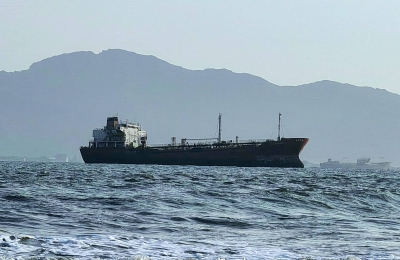
The Saudi export hub became crucial after the Iran war started, allowing the kingdom to bypass the Strait of Hormuz.
07
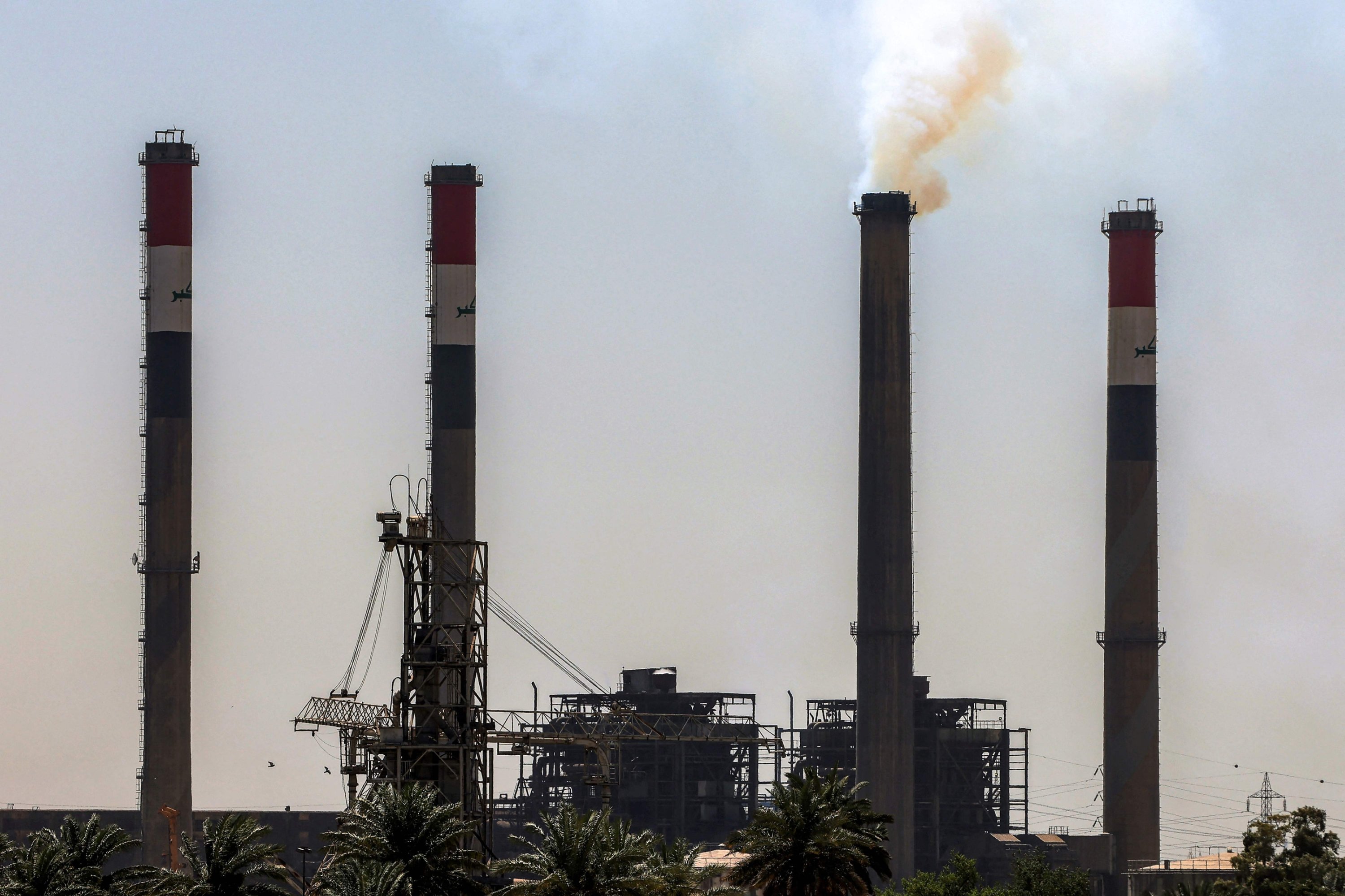
Saudi Arabia said Monday it intercepted and destroyed drones launched from Iraq that targeted oil facilities in the kingdom's Eastern Province and Riyadh, while Iraq ordered a...
08
The Jordanian army's statement did not specify the source of the drone.
09
Saudi Arabia said drones targeting its territory had been launched by pro-Iran groups in Iraq.
AI read
What the coverage agrees on, and where it splits
This view is generated from the clustered articles, so it is best read as a map of coverage rather than a replacement for the source reporting.
Broadly agreed
- Multiple sources confirm Houthis attacked Saudi Aramco's Jizan refinery and Yanbu export facilities.
- Sources broadly agree that Jordan has intercepted multiple drones in its eastern desert within 24 hours.
Contested framing
- The National frames Houthi behaviour as deliberate strategic mimicry of Iran; Japan Times frames it primarily as a logistics disruption problem—two different analytical frames for the same attacks.
- Straits Times reports Bab el-Mandeb traffic rising amid hopes of resolution; The Hindu frames the blockade as ongoing and serious—diverging on whether the maritime situation is improving.
Still unclear
Whether Houthi attacks on Yanbu and Jizan caused significant damage to Saudi export capacity, and the origin of drones intercepted over Jordan, remain unconfirmed in available summaries.
Notable omissions
No outlet provides systematic data on insurance premium increases or shipping rerouting costs resulting from the combined Hormuz and Red Sea threats.
Quality check
Attack facts confirmed; interpret maritime 'improvement' claims cautiously given conflicting signals on blockade severity.
- Two different analytical frames: strategic Iran mimicry vs. logistics disruption problem
- Contradictory maritime situation assessment: Straits Times reports rising traffic and hopes; Hindu reports ongoing blockade
- Damage to Saudi export capacity from Yanbu/Jizan attacks unconfirmed
- Origin of Jordan-intercepted drones unconfirmed
Review confidence: 75%
Signal strength
3/5
Narrative divergence
5
Sources compared
1
Days in coverage
How each outlet frames this story
Divergence
3/5
Narrative Divergence
How differently the sources covering this story frame it — measured by tone, emphasis, and what each outlet chooses to highlight or omit.
1 — Sources frame the story almost identically
2 — Minor differences in tone or emphasis
3 — Noticeable differences; some outlets highlight what others omit
4 — Stark contrasts; conflicting narratives
5 — Sources tell fundamentally different stories
Indian
The Hindu explains that Houthis attacked the Aramco refinery in Jizan and Yanbu export facilities, framing the Red Sea blockade question through South Asian energy security and non-aligned strategic autonomy.
Emirati
The National reports Yemen's Foreign Minister says Houthis are mimicking Iranian behaviour in the Red Sea, framing this as a deliberate strategic replication rather than opportunistic escalation.
Singaporean
Straits Times analyses rising Bab el-Mandeb shipping traffic amid hopes of US-Iran resolution, framing the story through supply-chain resilience and whether the corridor can return to pre-crisis volumes.
Japanese
Japan Times reports tankers diverting to Egypt as Houthi threats upend Red Sea trade, framing Saudi Arabia's Yanbu facility as crucial for bypassing Hormuz—emphasising Japanese corporate supply-chain exposure.
Turkish
Daily Sabah reports Saudi Arabia intercepted and destroyed drones launched from Iraq targeting oil facilities, framing this through institutional military response accountability.
Singaporean
Straits Times reports Iraq opened a probe into Saudi Arabia's claim that drone attacks originated from its territory, framing this as an institutional sovereignty and accountability question.