The population of Japanese residents has been declining for 17 consecutive years since peaking in 2009.
How the world covered this
Read the editorial comparison
Prose synthesis of how each outlet framed the story, with side-by-side outlet quotes and divergence notes.
5 articles from 3 sources
01

02
Japão tem menos de 120 milhões de japoneses pela primeira vez desde 1984
Japan has recorded its 17th consecutive year of falling total population and now has fewer than 120 million Japanese people. The number of the country's statistics office, equivalent to IBGE (Brazilian Institute of Geography…
03
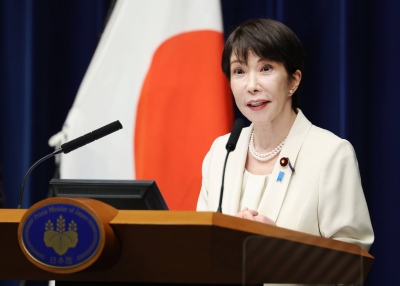
Prime Minister Sanae Takaichi's drop raises the question of whether it is from the normal growing pains of a new administration or if it indicates deeper structural problems.
AI read
What the coverage agrees on, and where it splits
This view is generated from the clustered articles, so it is best read as a map of coverage rather than a replacement for the source reporting.
Broadly agreed
- Japan Times and Folha de S.Paulo both confirm Japan's resident population has fallen below 120 million for the first time since 1984.
- Sources agree the decline is the 17th consecutive annual fall.
Contested framing
- Japan Times frames the milestone through long-term governance sustainability challenges for PM Takaichi; CNA focuses on the immediate economic policy response (sales tax cut) without addressing demographic drivers.
Still unclear
Whether PM Takaichi's proposed sales tax cut will be sufficient to stimulate consumption meaningfully in the context of energy cost pressures and demographic contraction has not been assessed.
Notable omissions
The immigration policy dimension—Japan's restrictive stance as a partial remedy for demographic decline—is not addressed in any of the covering articles; international comparison with other declining-population nations is absent.
Quality check
Population decline milestone confirmed; policy effectiveness and immigration remedies understated.
- Immigration policy dimension as demographic remedy not addressed
- Whether sales tax cut will stimulate consumption meaningfully not assessed
- International comparison with other declining-population nations absent
- Divergence between Japan Times (long-term governance sustainability) and CNA (immediate policy response) on framing
Review confidence: 81%
Signal strength
2/5
Narrative divergence
3
Sources compared
1
Days in coverage
How each outlet frames this story
Divergence
2/5
Narrative Divergence
How differently the sources covering this story frame it — measured by tone, emphasis, and what each outlet chooses to highlight or omit.
1 — Sources frame the story almost identically
2 — Minor differences in tone or emphasis
3 — Noticeable differences; some outlets highlight what others omit
4 — Stark contrasts; conflicting narratives
5 — Sources tell fundamentally different stories
Japanese
Japan Times reports the population of Japanese residents has been declining for 17 consecutive years since peaking in 2009, framing through economic and demographic sustainability analysis.
Brazilian
Folha de S.Paulo reports Japan now has fewer than 120 million Japanese people for the first time since 1984, framing as a structural demographic milestone.
Singaporean
CNA reports Japan cutting its growth outlook as higher energy costs weigh on consumption, connecting the Iran war energy shock to Japan's domestic economic vulnerability.