Israel's PM says his country is holding fire "at the moment", after Iran's armed forces said they had stopped military action.
How the world covered this
Read the editorial comparison
Prose synthesis of how each outlet framed the story, with side-by-side outlet quotes and divergence notes.
39 articles from 17 sources
01

02
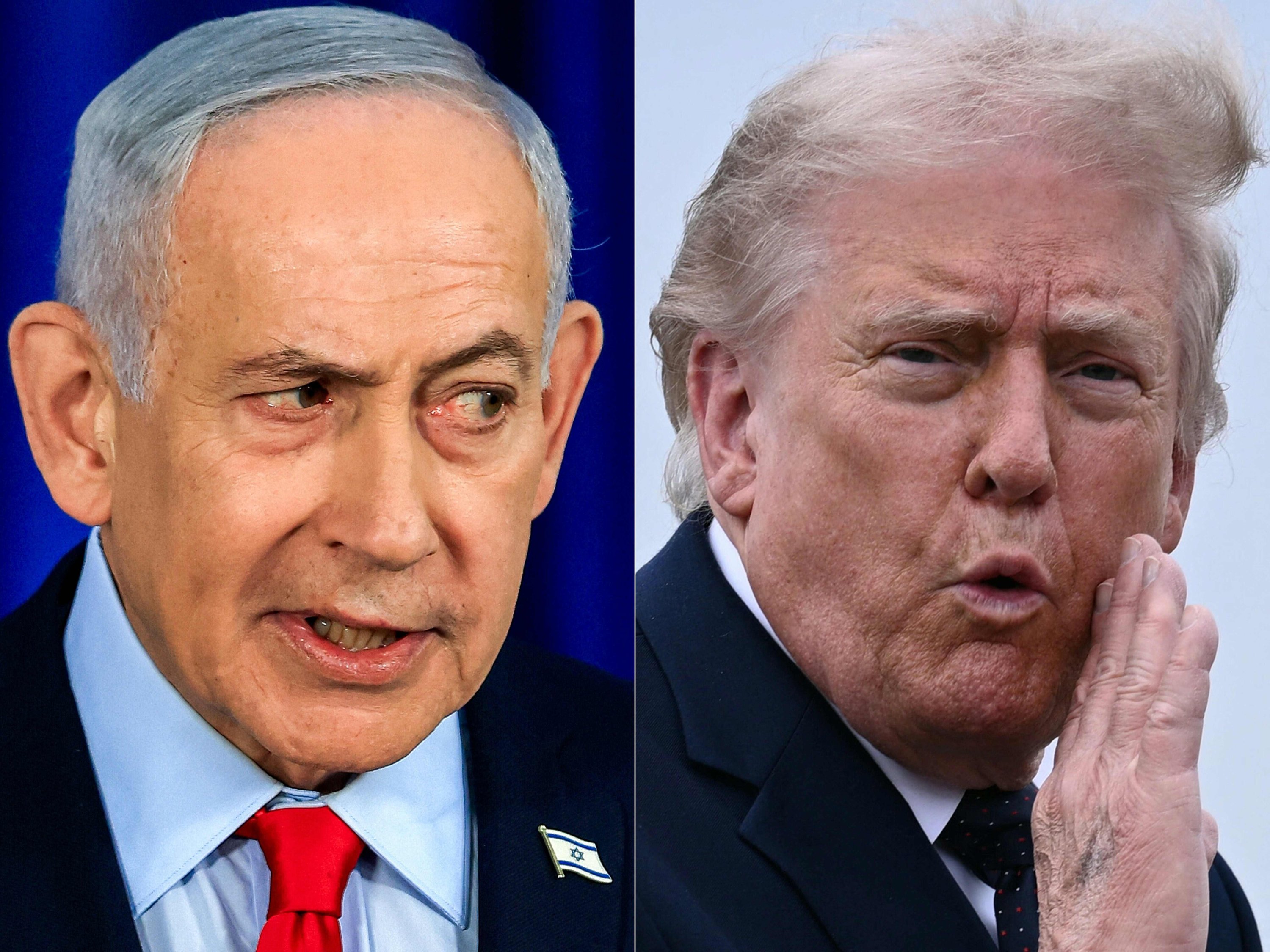
In a call with the US president, the BBC’s Sarah Smith asked Trump about the war in Iran and his relationship with the Israeli leader.

03
Iran appears emboldened by the outcome and its leaders may sense Trump's appetite for risk is low.

04
Iran's decision to risk jeopardising peace talks may reflect how its leaders view their current position, writes BBC Persian editor Amir Azimi.

05
Israeli Prime Minister Benjamin Netanyahu announced that the “fire on that front is contained” hours after Tehran said it had stopped its military action
06
Israeli Prime Minister Benjamin Netanyahu announced that the “fire on that front is contained” hours after Tehran said it had stopped its military action

07
It was not immediately clear whether the Apache was shot down by Iranian fire, experienced mechanical failure or encountered some other problem


09
Iranian Foreign Ministry spokesperson Esmaeil Baghaei accused the United States of exacerbating tensions following overnight exchanges of fire between Iran and Israel, warning that such incidents threaten to destabilize…

10
Netanyahu acknowledges halt in fighting with Iran but vows to respond 'with force' to future attacks
In a videotaped statement, Mr. Netanyahu said the fighting stopped after Israel "hit the terror regime in Tehran.” But he said if Iran “makes the mistake and returns to attacking us, we will respond with force,”

11
In view of the latest developments in the region, the Embassy advises all Indian nationals to avoid travel to Iran and those currently in Iran to exit the country using available transport

12
Irã e Israel suspendem ataques mútuos após exigência de Trump
Israel and Iran indicated this Monday (8) their willingness to contain the military escalation that almost buried the ceasefire and reignited the risk of a resumption of large-scale conflict in the Middle East. The two countries…
13
غارديان: العلاقة المعقدة بين ترمب ونتنياهو تهدد هدنة الشرق الأوسط
The Guardian believes that the ceasefire between Iran and Israel is very fragile, and that the growing differences between Trump and Netanyahu over escalation and negotiations with Tehran make the truce threatened, while the region remains stuck between war and peace.
14
فانس: طهران جادة في المفاوضات ومصالحنا لا تتطابق تماما مع إسرائيل
J.D. Vance - US Vice President - said that there are discrepancies between the interests of the United States and Israel in some files, referring to the ongoing negotiations between his country and Iran.
15
ترمب يستبعد استمرار الحرب بين طهران وتل أبيب ويعِد بإعلان الانتصار قريبا
US President Donald Trump said he believes that Tel Aviv will not return to war with Tehran, while Israel's ambassador to Washington confirmed Prime Minister Benjamin Netanyahu's response to Trump's call for de-escalation.
16
واشنطن بوست: ترمب اختار الحرب على إيران والآن يستعصي عليه إنهاؤها
Writer Max Boot believes that Trump failed to resolve the war against Iran militarily or diplomatically. While negotiations falter, Iran continues to use the Strait of Hormuz as a pressure card, while the gap between Washington's goals and their actual results widens.
17
انتهت اللعبة وترمب ليس أمامه إلا إنزال نتنياهو عن الشجرة
It has become necessary for Trump to force Netanyahu to submit to his policies, or to descend with him into the abyss of war, as Netanyahu wants. This is at this delicate stage, which will be dominated by the desire to resolve the Strait of Hormuz crisis.
18
Iran announced Monday that its initial wave of attacks on Israel since April's cease-fire has ended, but warned it would resume strikes if Israel continues its attacks on Leba...

19
U.S. President Donald Trump held a phone call with Israeli Prime Minister Benjamin Netanyahu on Monday following the first direct exchange of fire between Israel and Iran since a c...
20
Israel’s continued attack on Lebanon had been a source of tension throughout the ceasefire. The post Iran, Israel halt attack appeared first on Premium Times Nigeria .
21
Israel and Iran warned that they each stood ready to launch retaliatory attacks if provoked, even as both nations appeared to back away from further strikes on Monday, hours after trading fire for the first time since…

22


24
Rejecting Iran's threats, Katz says any Hezbollah attack on Israel will lead to IDF strikes in Beirut The Times of Israel
25
Iran’s top negotiator warns Tehran won’t tolerate ‘repeated violation’ of ceasefire The Times of Israel
26
Pro-government Iranians rally in Tehran after renewed missile attacks on Israel The Times of Israel
27
IDF says it struck military targets in western and central Iran following missile attacks The Times of Israel
28
Iran has warned that it will resume attacks if Israel continues striking Lebanon.
29
The latest round of violence erupted days after a new ceasefire was reached in Washington.
30
Israel's prime minister announced that the “fire on that front is contained” hours after Tehran said it had stopped its military action.
31
イラン 対イスラエル作戦一時停止
32
Israel e Irán anuncian el fin de hostilidades, pero sigue tensión en Líbano; Trump teme que la 'estupidez' frene la paz en Medio Oriente
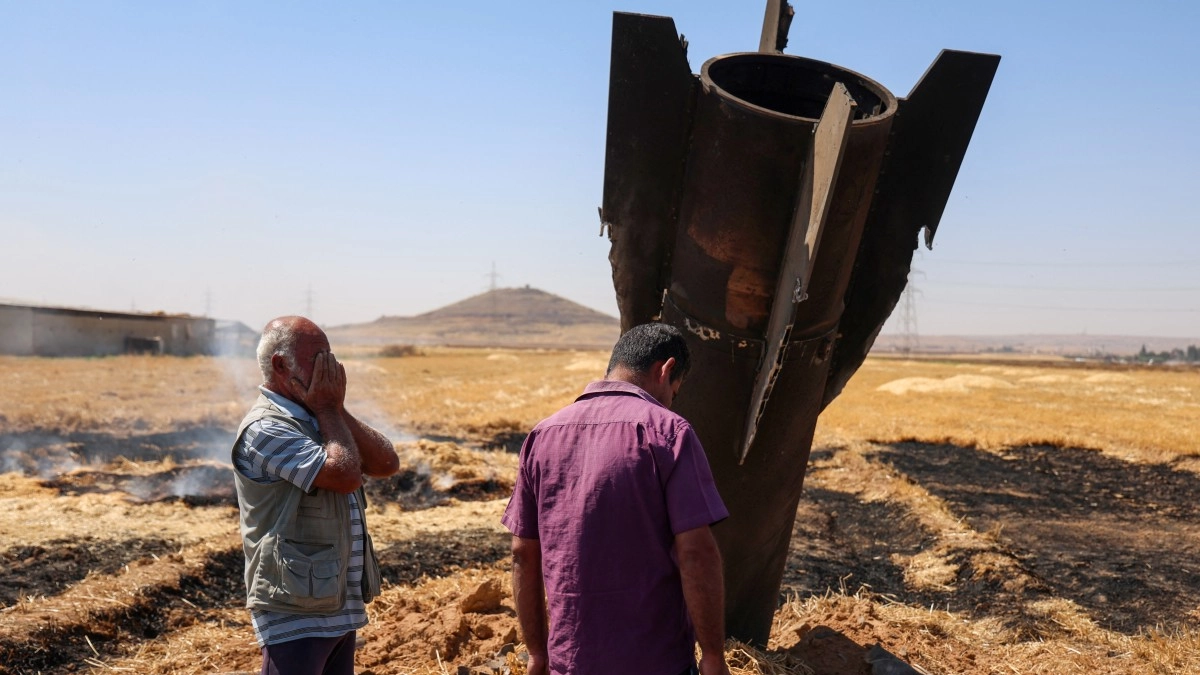
The region caught fire following an Israeli bombardment of the Beirut suburbs on Sunday, to which Iran responded with a salvo of missiles.
33
The wife of a Lebanese army captain, who was killed by Israeli bombardment, salutes as mourners carry her husband’s coffin at his home village in southern Lebanon.—AFP • Woman, child among 12 killed in attacks on Zifta,…

34
Prime Minister Shehbaz Sharif on Monday urged all sides in the ongoing Middle East conflict to “exercise restraint and give peace a little more chance” after a new round of hostilities between Iran and Israel. “The…
35
Donald Trump confirms reports of a US Apache helicopter crash near the Strait of Hormuz.

37
EN DIRECT, guerre au Moyen-Orient : un hélicoptère de l’armée américaine s’écrase près du détroit d’Ormuz dans des circonstances floues
The pilots are “fine,” Donald Trump said in a statement to journalists. He added that discussions were in their “final phase” with a view to concluding a “very good agreement” with Iran…
38
Трамп: военные США не пострадали при крушении вертолета близ Ормузского пролива
The cause of the crash has not yet been determined
39
EN DIRECT, Moyen-Orient : Israël à nouveau visé par des missiles iraniens après que son armée a « frappé des cibles dans l’ouest et le centre de l’Iran »
The Jewish state responded early Monday to the first salvos of missiles launched by the Islamic Republic on Sunday. According to the Israeli ambassador to the United States, the Israeli army targeted “sites of…
AI read
What the coverage agrees on, and where it splits
This view is generated from the clustered articles, so it is best read as a map of coverage rather than a replacement for the source reporting.
Broadly agreed
- All covering sources confirm that both Iran and Israel announced a pause in hostilities following the exchange, with Netanyahu describing the fire as 'contained.'
- All sources confirm a US Army Apache helicopter crashed near the Strait of Hormuz and Trump stated the pilots were safe.
- All sources confirm Trump spoke directly with Netanyahu during the crisis and pressed for restraint.
Contested framing
- BBC and Al Jazeera frame Iran as emboldened and Netanyahu as resistant to US direction; Times of Israel frames Israel as exercising controlled deterrence and successfully hitting Iranian targets.
- CNN counts 37 Trump claims of an imminent Iran deal and frames them as a credibility problem; TASS and Yahoo Japan report Trump's 'two to three days' deal timeline without critical scrutiny.
- Daily Sabah and The Hindu emphasise Lebanon truce violations by Israel as the root cause; Times of Israel foregrounds Iranian missile aggression and Hezbollah rocket fire as the proximate trigger.
Still unclear
The cause of the US Apache helicopter crash near the Strait of Hormuz — whether it was shot down by Iranian fire, suffered mechanical failure, or another cause — remains unconfirmed.
Notable omissions
Most Western outlets omit the Pakistani and Gulf states' economic exposure to the conflict (LPG shortages, trade halts, property market uncertainty) that South Asian and UAE outlets foreground; Israeli outlets largely omit the 3,500 Lebanese ceasefire violations that Arab and Turkish outlets cite as context.
Quality check
Read cautiously: consensus on pause is strong, but contested claims about causation and Trump's role reflect source bias rather than ambiguity.
- Apache crash cause explicitly unconfirmed—avoid implying Iranian involvement without caveats
- Trump deal timeline claims lack critical scrutiny in some sources; note credibility concerns
- Framing divergence on root causes (Lebanese violations vs. Iranian aggression) reflects genuine editorial choices, not fact disputes
- Missing regional economic impact context from South Asian/Gulf outlets limits full picture
Review confidence: 75%
Signal strength
4/5
Narrative divergence
17
Sources compared
1
Days in coverage
How each outlet frames this story
Divergence
4/5
Narrative Divergence
How differently the sources covering this story frame it — measured by tone, emphasis, and what each outlet chooses to highlight or omit.
1 — Sources frame the story almost identically
2 — Minor differences in tone or emphasis
3 — Noticeable differences; some outlets highlight what others omit
4 — Stark contrasts; conflicting narratives
5 — Sources tell fundamentally different stories
British
BBC frames Iran as emboldened by the outcome, suggesting Tehran may sense Trump's appetite for risk is low, and interrogates whether Netanyahu defied Trump; focuses on institutional decision-maker accountability.
French
Le Monde leads with the Apache helicopter crash near Hormuz as the most alarming new development, noting Trump declared pilots 'fine' while talks are in their 'final phase.'
Israeli
Times of Israel foregrounds Israeli military capability and deterrence — IDF struck targets in western and central Iran, Katz threatens Beirut strikes for any Hezbollah attack — framing Israel as actively managing escalation.
Qatari
Al Jazeera Arabic frames Trump as trapped by Netanyahu, arguing Trump must either force Netanyahu to comply or descend with him into the abyss of war, highlighting US-Israel divergence.
Indian
The Hindu maintains non-aligned framing, covering both sides' statements factually, issuing a fresh Iran travel warning for Indian nationals, and describing the ceasefire as a fragile brinkmanship situation.
Brazilian
Folha de S.Paulo emphasises Israel's killing of 14 in Lebanon despite Trump warnings, foregrounding civilian consequence and institutional non-compliance, consistent with its humanistic accountability frame.
Turkish
Daily Sabah positions Iran's end of strikes through an institutional accountability lens, framing the ceasefire as dependent on whether accountability mechanisms hold, and notes Lebanon's 3,500 Israeli violations of the truce.
Singaporean
Straits Times provides a strategic analysis of Israel's bind — that the 15-hour fight with Iran exposed the constraints Israel faces — and separately explains why Iran's economy has not broken under the war.
Emirati
The National frames the conflict through Gulf economic consequence — UAE property market uncertainty, $2.2 trillion global economic cost — and calls for a durable regional peace, reflecting Gulf strategic autonomy positioning.
Pakistani
Dawn foregrounds PM Shehbaz calling for restraint and the halt of Pakistan-Iran border trade through Gabd-Rimdan, emphasising Pakistan's vulnerability to regional escalation through LPG shortages.
Russian
TASS reports Trump's statement that Israel and Iran stopped exchanges for a week and that he cannot blame Netanyahu for retaliatory strikes, without critical framing.
Japanese
Yahoo Japan covers Iran suspending operations against Israel and earlier Iranian missile launches, reflecting concern about regional energy security without military framing.
Irish
Irish Times focuses on the oil price drop following the attack halt and investor uncertainty about whether the truce holds, framing the story through energy market consequence.
Colombian
El Tiempo covers the Israeli-Iranian announcement of an end to hostilities while noting Trump fears 'stupidity' will slow peace, framing through US executive institutional responsibility.