The historic 11-minute halftime show marks the first time a FIFA World Cup final will feature a Super Bowl-style entertainment performance, bringing together some of the biggest names in global music while promoting a…
How the world covered this
Read the editorial comparison
Prose synthesis of how each outlet framed the story, with side-by-side outlet quotes and divergence notes.
27 articles from 16 sources
01
02
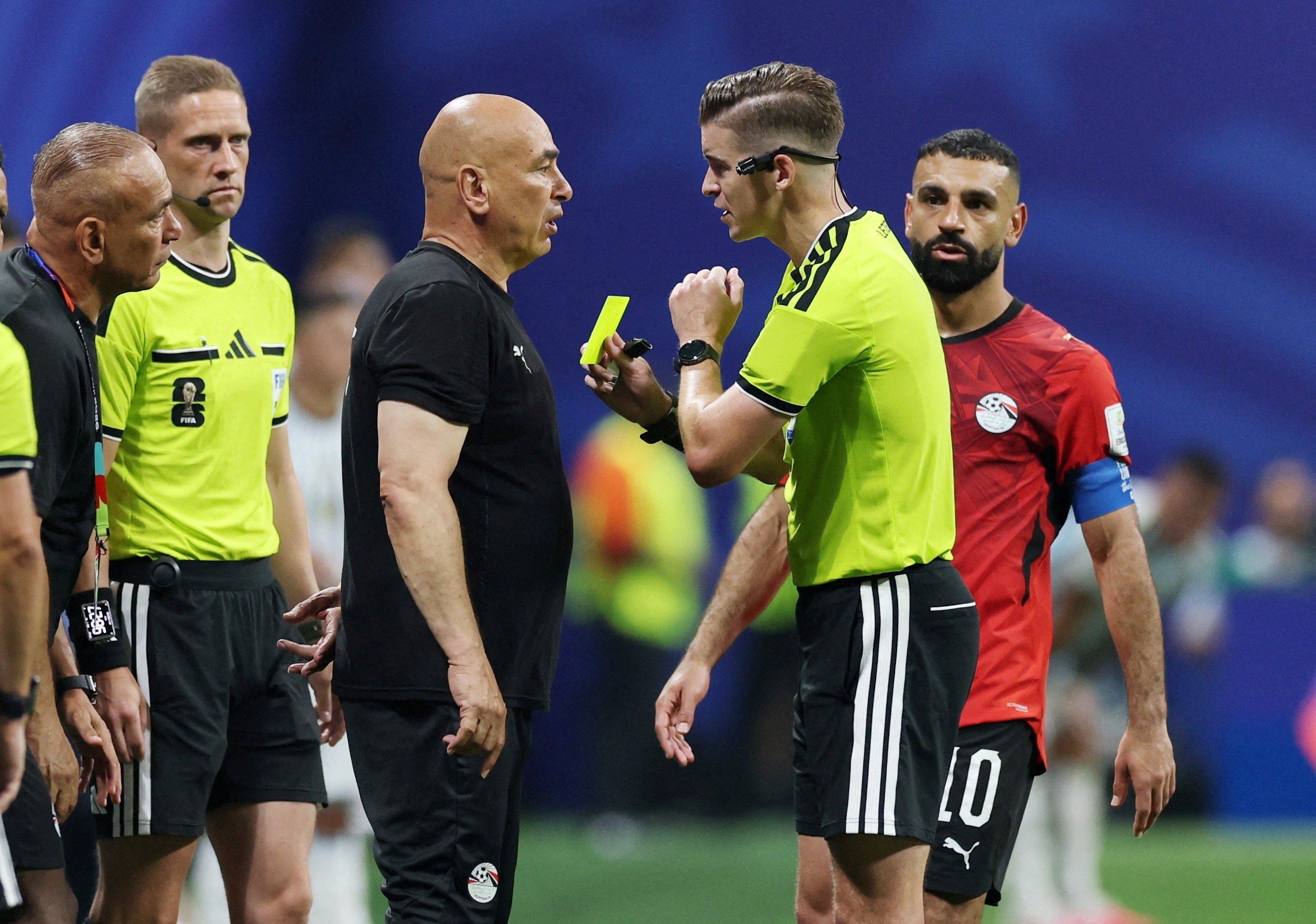
Egypt were left seething by their narrow and dramatic round-of-16 defeat against Argentina. Coach Hossam Hassan accused the referee of favoring the defending World Cup champions.
03
The Egyptian Football Association said Wednesday it had called for the officiating team from Egypt's 3-2 World Cup last-16 defeat to Argentina to be removed from the remainder...
04
В ЕП потребовали расследовать действия Инфантино из-за ситуации с Балогуном
European football federations "have a responsibility to demand that senior FIFA officials be held accountable," lawmakers say.
05
بسبب ترمب.. شكوى دولية تهدد عرش إنفانتينو على رأس فيفا
The President of the International Federation of Association Football (FIFA), Gianni Infantino, is facing a severe legal and administrative crisis in addition to the torrent of criticism he was subjected to, especially during the 2026 World Cup.
06
لماذا قد يحرم الحكم الإنجليزي مايكل أوليفر من إدارة نهائي المونديال؟
Behind the scenes of the World Cup, the ghosts of an ancient war are stirring the strings of the game, threatening to exclude English referee Michael Oliver from the World Cup final, even if his country's dreams of the title fade.
07
Лучший бомбардир сборной Марокко на ЧМ-2026 Сайбари пропустит матч с французами
He was injured in a game against Team Canada

09
Francia-Marocco, la paura di Parigi
For days, "chaos" has been announced in the squares. Accidents are feared
10
ديشان يوجه رسائل بشأن التحكيم الأرجنتيني لمباراة فرنسا والمغرب
Before facing Morocco in the World Cup quarter-finals, France coach Didier Deschamps cut off any prior justifications, affirming his absolute confidence in the integrity of the refereeing.
11
France-Maroc : la soif de revanche des Lions de l’Atlas, quatre ans après la demi-finale perdue au Qatar
The Moroccan football team has only beaten France once, during a friendly tournament, in May 1998. Twenty-eight years later, its supporters have reason to believe in a victory for their team, more...
12
وهبي يحفز لاعبي المغرب بعبارات رنانة.. ويكشف موقف صيباري من مباراة فرنسا
Morocco national team coach Mohamed Wehbe motivated the Atlas Lions players in this way before the match against France in the quarter-finals of the 2026 World Cup.
13
بالفيديو.. جمال يتحدث عن ميسي ورونالدو ونيمار ويكشف موقفه من نجم الأرجنتين
The distinguished Spanish international Lamine Gamal spoke about many distinguished players in the history of football, most notably Lionel Messi, Cristiano Ronaldo and Neymar.
14
كورتوا يتحدث عن مباراة مصر والأرجنتين.. ويكشف أسرار إيقاف لامين جمال
In his speech before the match between Spain and Belgium in the quarter-finals of the 2026 World Cup, Belgian goalkeeper Thibaut Courtois discussed what happened in the match between Egypt and Argentina for the round of 16.
15
مونديال 2026.. هل يكسر توخيل وغارسيا العقدة التاريخية لكأس العالم؟
Is the nationality of the coach still a condition for leading major teams to glory? The 2026 World Cup reopens one of the oldest football debates, in light of the unprecedented rise of foreign coaches within the traditional strongholds of the game.
16
من مخاطر البحر إلى الملاعب.. كرة القدم تفتح باب الاندماج للمهاجرين في المغرب
A Moroccan academy gives African immigrants the opportunity to develop their football talents, away from the dangers of irregular migration.
17
الإنجليزي هندرسون يخضع للجراحة بعد تعرضه لأغرب إصابة في مونديال 2026 (فيديو)
Urgent surgery in the England camp officially ends the career of a veteran player for the remainder of the World Cup.
18
البرتغال تطوي صفحة مارتينيز.. من الأقرب لخلافته؟
The Portuguese Football Federation hopes to announce Roberto Martinez's successor by the end of the week to take over the national team following their disappointing World Cup exit in 2026.
19
ظاهرة مدرجات المونديال.. كيف سرق شقيق لامين جمال الأضواء؟
While Spain devours its rivals in the World Cup, the child “Keane” steals... The younger brother of the star Lamine Gamal, he is in the spotlight and has become a digital phenomenon and a demand for advertising companies.
21
Egypt remains incensed at French referee Francois Letexier after his performance in the Round of 16 clash against Argentina at the FIFA World Cup.
22
"México le está dando una lección al mundo como anfitrión"; Sectur CDMX destaca impacto del Mundial

23
South Korea’s National Assembly is set to hold a parliamentary hearing on the Korea Football Association later this month, amid renewed scrutiny over its management and the appointment process for national team coaches.…

24
Why FIFA now treats referees much like players.

25
Senadora de Paraguay insulta de nuevo a Kylian Mbappé: lo llama 'hijo de puta' en plena sesión del Congreso
In recent days, the congresswoman published serious racist insults on social networks after Paraguay's defeat against France in the World Cup.

26
FIFA said it was made aware of an incident that took place on July 3.
27
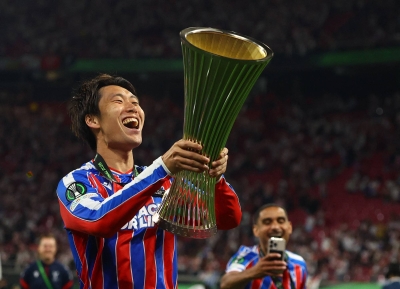
Kamada, who scored twice for Japan during the World Cup, is expected to join Crystal Palace after taking some time off after the tournament.
AI read
What the coverage agrees on, and where it splits
This view is generated from the clustered articles, so it is best read as a map of coverage rather than a replacement for the source reporting.
Broadly agreed
- All sports-covering sources confirm the World Cup quarter-finals include France vs Morocco, with Morocco seeking revenge for their 2022 semi-final loss.
- Multiple sources confirm the World Cup final halftime show will feature Justin Bieber, Shakira, BTS, and Burna Boy in a first-ever Super Bowl-style format.
- Sources confirm Egypt has filed a formal FIFA complaint against the referee team from their Argentina defeat.
Contested framing
- Egyptian sources and Al Jazeera Arabic frame the Round of 16 defeat as potentially involving refereeing bias; CNN and ABC Australia report the complaint neutrally without validating the bias claim.
- Al Jazeera Arabic's established pattern of maximum entertainment saturation means it provides tactical and celebrity coverage without engaging FIFA institutional accountability; BBC and Premium Times foreground the halftime show as a cultural milestone with different emotional registers.
Still unclear
Whether FIFA's investigation into the referee complaint or Infantino's conduct will result in any formal sanctions or findings has not been confirmed in available reporting.
Notable omissions
No outlet provides substantive coverage of the economic impact on host cities or the labour and human rights conditions for World Cup workers in the US, Canada, and Mexico.
Quality check
This topic conflates several World Cup controversies without clear consensus on most claims. Halftime show and Egypt complaint are confirmed; refereeing bias and investigation outcomes are not.
- Consensus claims are significantly overstated: no source explicitly confirms France vs Morocco quarter-final pairing as verified fact.
- Halftime show lineup (Bieber, Shakira, BTS, Burna Boy) cited as consensus but sourced to only Premium Times—not cross-verified.
- Egypt FIFA referee complaint is confirmed, but bias claim is contested, not consensus.
- Al Jazeera Arabic framing critique ('maximum entertainment saturation') is editorial judgment, not supported by content analysis.
Review confidence: 35%
Signal strength
3/5
Narrative divergence
16
Sources compared
1
Days in coverage
How each outlet frames this story
Divergence
3/5
Narrative Divergence
How differently the sources covering this story frame it — measured by tone, emphasis, and what each outlet chooses to highlight or omit.
1 — Sources frame the story almost identically
2 — Minor differences in tone or emphasis
3 — Noticeable differences; some outlets highlight what others omit
4 — Stark contrasts; conflicting narratives
5 — Sources tell fundamentally different stories
Qatari
Al Jazeera Arabic saturates coverage with match analysis, player profiles, and tactical previews, with the France-Morocco quarter-final as the centrepiece narrative—confirming the established entertainment-saturation pattern.
Colombian
El Tiempo reports a Paraguayan senator's racist insults against Mbappé on the floor of Congress after Paraguay's defeat to France, framing it as an institutional dignity failure.
Italian
La Repubblica provides tactical analysis of missed World Cup penalties (20 missed so far, 9 by players who took a stopping break), framing it as an aesthetic-technical curiosity.
French
Le Monde focuses on Morocco's revenge narrative four years after losing the Qatar semi-final, and analyses whether foreign coaches can lead major teams to glory.
Nigerian
Premium Times covers the halftime show lineup as a cultural milestone for Burna Boy performing alongside global stars.
Australian
ABC Australia foregrounds Egypt's FIFA referee complaint as an institutional accountability mechanism failure.
Turkish
Daily Sabah reports Egypt's FIFA complaint against the referee, framing it as an institutional accountability question.
South Korean
Korea Herald reports a parliamentary hearing scheduled on the Korea Football Association amid unspecified controversy, reflecting domestic governance accountability framing.
Singaporean
Straits Times reports FIFA probing racist abuse targeting US streamer IShowSpeed, framing it as an institutional racism accountability matter.
Japanese
Japan Times reports Daichi Kamada's Crystal Palace signing after World Cup performances and Kaoru Mitoma's minor traffic accident, treating football as a logistics and corporate story.
Emirati
The National focuses on the France-Morocco talking points and the approaching end of Deschamps' managerial reign, providing expert tactical analysis.
Mexican
El Universal highlights Mexico's hosting success and Latino Emmy nominations alongside World Cup coverage, integrating national pride framing.