The European Central Bank has been moving to rein in inflation after a long pause on rate changes. The policy shift is aimed at tamping down prices while raising fresh concerns about growth.
How the world covered this
Read the editorial comparison
Prose synthesis of how each outlet framed the story, with side-by-side outlet quotes and divergence notes.
6 articles from 4 sources
01
02
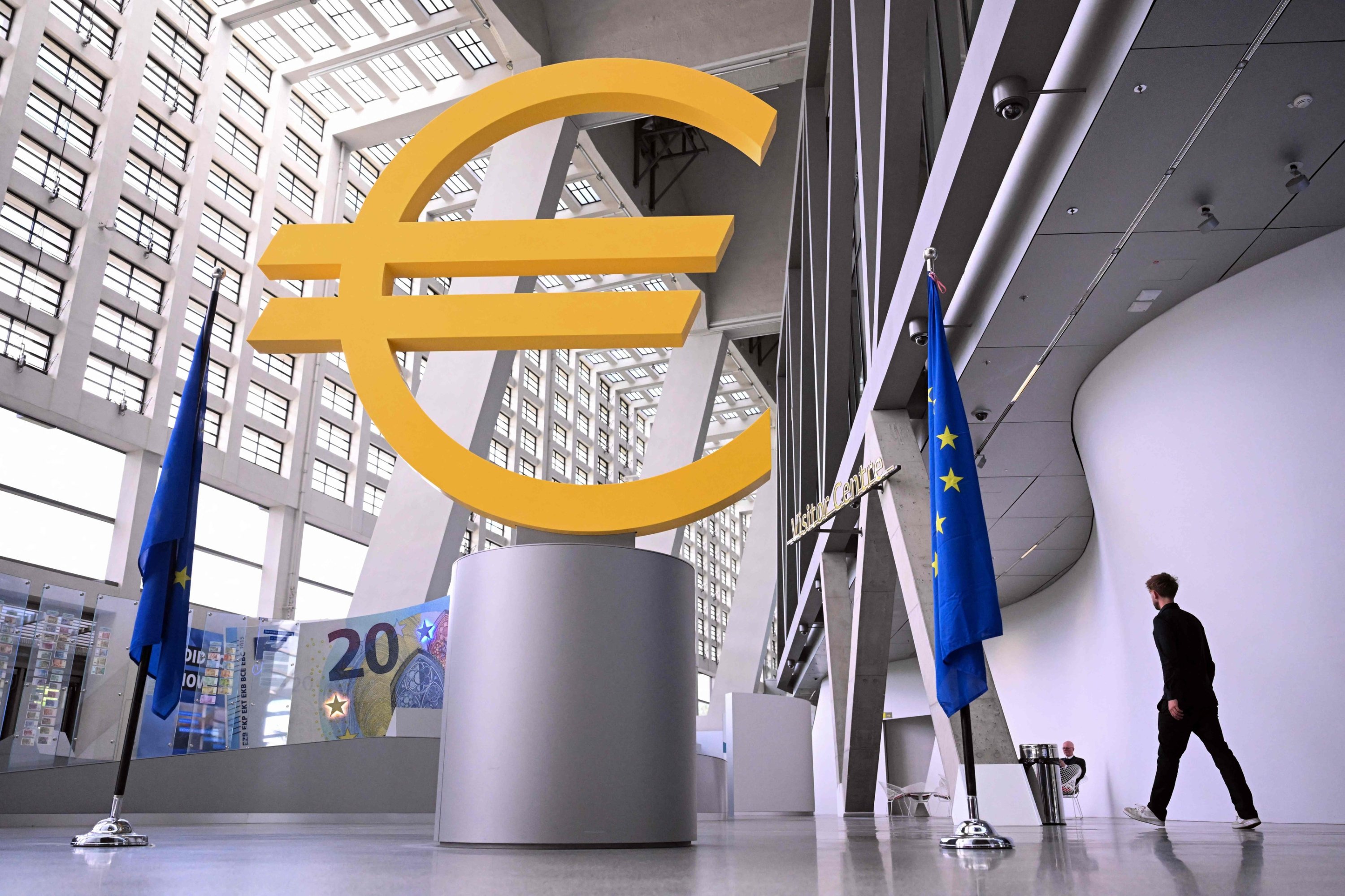
The European Central Bank (ECB) on Thursday became the first major central bank to hike interest rates in response to the Iran war as policymakers wrestle with how to confront the...
03
La Bce rialza i tassi. Cosa cambia per mutui, investimenti, inflazione e debito pubblico
The Frankfurt tightening aims to curb the impact of high energy prices, but the bill comes to families, businesses and the State: heavier instalments, more expensive credit and greater pressure on accounts
04
Rialzo dei tassi: Bruxelles teme la frenata, Paesi divisi. Giorgetti: “Spero non ce ne siano altri”
Italy is critical while in the Eurogroup the Northern front insists on minimum flexibility for energy-related expenses
05
Borowski: “Giusto l’intervento della Bce sui tassi, ma non va soffocata la crescita”
Interview with the head of macro research at Amundi: "Frankfurt does not want to repeat the mistake of 2022 when it moved late. The Fed should follow Europe's example"
06
Business Today: The best news, analysis and comment from The Irish Times business desk

AI read
What the coverage agrees on, and where it splits
This view is generated from the clustered articles, so it is best read as a map of coverage rather than a replacement for the source reporting.
Broadly agreed
- All covering sources confirm the ECB raised rates in response to Iran war-driven energy price inflation.
- Sources agree this is the first major central bank to hike rates in this cycle.
Contested framing
- La Repubblica and the Italian government frame the hike as damaging to growth and call for flexibility; Deutsche Welle and La Repubblica's Amundi interview frame it as a necessary and justified institutional response.
- Daily Sabah frames it as an institutional accountability mechanism; Italian outlets frame it as an externally imposed burden on vulnerable economies.
Still unclear
Whether other major central banks (Federal Reserve, Bank of England) will follow suit and the pace of subsequent ECB tightening remain unconfirmed.
Notable omissions
No outlet in this cluster addresses the consequences of the rate hike for emerging market debt or developing economy borrowing costs.
Quality check
Rate hike and energy inflation link are established; treat 'Iran war caused this' as one plausible driver among others not fully detailed.
- Consensus that ECB 'raised rates in direct response to Iran conflict' overstates causation; articles confirm rates were raised with energy prices cited but do not isolate Iran as sole driver
- Contested framing about growth damage vs. institutional necessity is legitimate but lacks quantitative comparison
- Major omission: no coverage of emerging market debt consequences despite global scope claims
- Unknown about Fed/BoE response timing is significant for understanding systemic monetary policy shift
Review confidence: 70%
Signal strength
2/5
Narrative divergence
4
Sources compared
1
Days in coverage
How each outlet frames this story
Divergence
2/5
Narrative Divergence
How differently the sources covering this story frame it — measured by tone, emphasis, and what each outlet chooses to highlight or omit.
1 — Sources frame the story almost identically
2 — Minor differences in tone or emphasis
3 — Noticeable differences; some outlets highlight what others omit
4 — Stark contrasts; conflicting narratives
5 — Sources tell fundamentally different stories
German
Deutsche Welle frames the ECB rate hike as a necessary institutional response to the Iran war's energy price shock, emphasising structural economic sustainability over military framing.
Turkish
Daily Sabah reports the ECB as the first major central bank to hike rates in response to the Iran war, treating it as an institutional decision-making accountability moment.
Italian
La Repubblica focuses on the direct consequences for Italian mortgages, investments, inflation and public debt, with Italy critical of the tightening and the government calling for flexibility on energy-related expenses.
Irish
The Irish Times flags the first interest rate hike in three years alongside Intel's recovery story, framing it as the lead business story of the day.