ECB raises interest rate to tackle inflation surge
The European Central Bank has been moving to rein in inflation after a long pause on rate changes. The policy shift is aimed at tamping down prices while raising fresh concerns about growth.
The ECB's decision to raise interest rates — the first major central bank to do so in direct response to the Iran war — signals that the conflict is now transmitting through global energy markets into monetary...
Daily Sabah headlines the ECB as "the first major central bank to hike interest rates in response to the Iran war," framing the decision as explicitly linked to the conflict's energy market transmission. Deutsche Welle reports the rate hike as aimed at "reining in inflation" after a policy pause, emphasising institutional response to inflation surge without naming Iran conflict as the primary trigger.
La Repubblica documents the rate hike's domestic consequences for mortgages, investments, and public debt, with Italy's finance ministry critical and calling for flexibility. An Amundi macro research head interviewed by La Repubblica defends the ECB's move as necessary to avoid the 2022 mistake of moving too late, while acknowledging growth concerns. La Repubblica also reports the Eurogroup divided, with Northern European countries insisting on minimum flexibility for energy-related expenses, positioning Italy as isolated in its criticism of Frankfurt's decision.
ECB raises interest rate to tackle inflation surge
ECB hikes rates in first for major central bank after Iran war
The ECB raises rates What changes for mortgages investments inflation and public debt
Whether other major central banks (Federal Reserve, Bank of England) will follow suit and the pace of subsequent ECB tightening remain unconfirmed.
No outlet in this cluster addresses the consequences of the rate hike for emerging market debt or developing economy borrowing costs.
Deutsche Welle frames the ECB rate hike as a necessary institutional response to the Iran war's energy price shock, emphasising structural economic sustainability over military framing.
Daily Sabah reports the ECB as the first major central bank to hike rates in response to the Iran war, treating it as an institutional decision-making accountability moment.
La Repubblica focuses on the direct consequences for Italian mortgages, investments, inflation and public debt, with Italy critical of the tightening and the government calling for flexibility on energy-related expenses.
The Irish Times flags the first interest rate hike in three years alongside Intel's recovery story, framing it as the lead business story of the day.
This page maps the coverage. The 6 articles below are the original reports the comparison is drawn from — open them for each publisher's full reporting.
The European Central Bank has been moving to rein in inflation after a long pause on rate changes. The policy shift is aimed at tamping down prices while raising fresh concerns about growth.
The European Central Bank (ECB) on Thursday became the first major central bank to hike interest rates in response to the Iran war as policymakers wrestle with how to confront the...
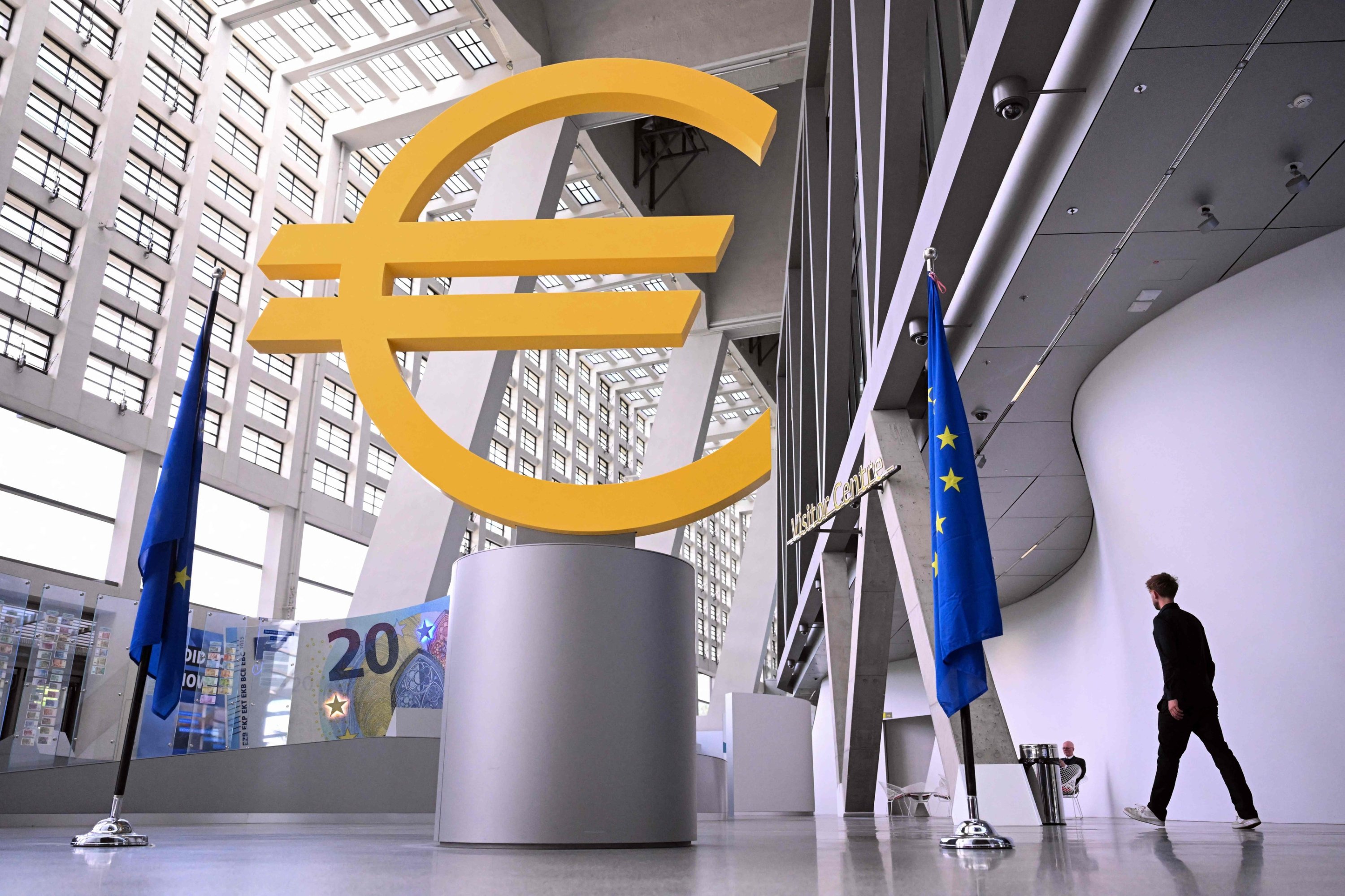
The Frankfurt tightening aims to curb the impact of high energy prices, but the bill comes to families, businesses and the State: heavier instalments, more expensive credit and greater pressure on accounts
Italy is critical while in the Eurogroup the Northern front insists on minimum flexibility for energy-related expenses
Interview with the head of macro research at Amundi: "Frankfurt does not want to repeat the mistake of 2022 when it moved late. The Fed should follow Europe's example"
Business Today: The best news, analysis and comment from The Irish Times business desk
