مباراة العراق ضد النرويج في كأس العالم 2026.. الموعد والقنوات الناقلة
We review the date of the Mesopotamian Lions’ confrontation against the Vikings in the 2026 World Cup, and all the details of the fiery summit in the most difficult groups ever.
بين "فوتبول" و"سوكر".. ما سر اختلاف تسمية كرة القدم في هذه الدول؟
Have you ever thought about where Americans got the term "soccer" What do they call football? The story behind this name carries within it a purely English history, so what is the secret behind it?
لاعب منتخب السويد يرفض الاحتفال بهدفه أمام تونس.. ما القصة؟
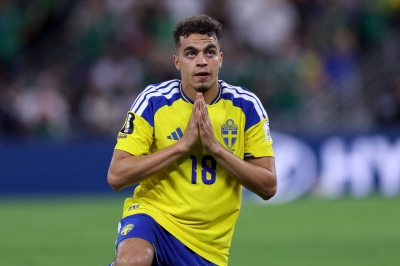
The Group Six competitions in the World Cup witnessed, at dawn on Monday, an exceptional football moment in which professionalism was mixed with human feelings.
سقف مالي مضاعف وشروط صارمة.. كم سيتقاضى حكم نهائي كأس العالم 2026؟
The FIFA Organizing Committee approved a double financial ceiling for the referees of the 2026 World Cup, setting strict conditions and a progressive wage system to receive the major reward in the final match.
موعد مباراة الجزائر ضد الأرجنتين في كأس العالم والقنوات الناقلة
We review the details of the date of the African-Latin summit on American soil, where the Argentine world champion awaits a big confrontation against Riyad Mahrez’s comrades.
من إيطاليا 90 إلى مونديال 2026.. كيف أعاد مصطفى شوبير والده إلى كأس العالم بعد 36 عاما؟
Mustafa Schubert’s participation in the 2026 World Cup fulfills a dream that has lasted for decades, as he joins the list of players who followed in the footsteps of their fathers in the largest international football forum.
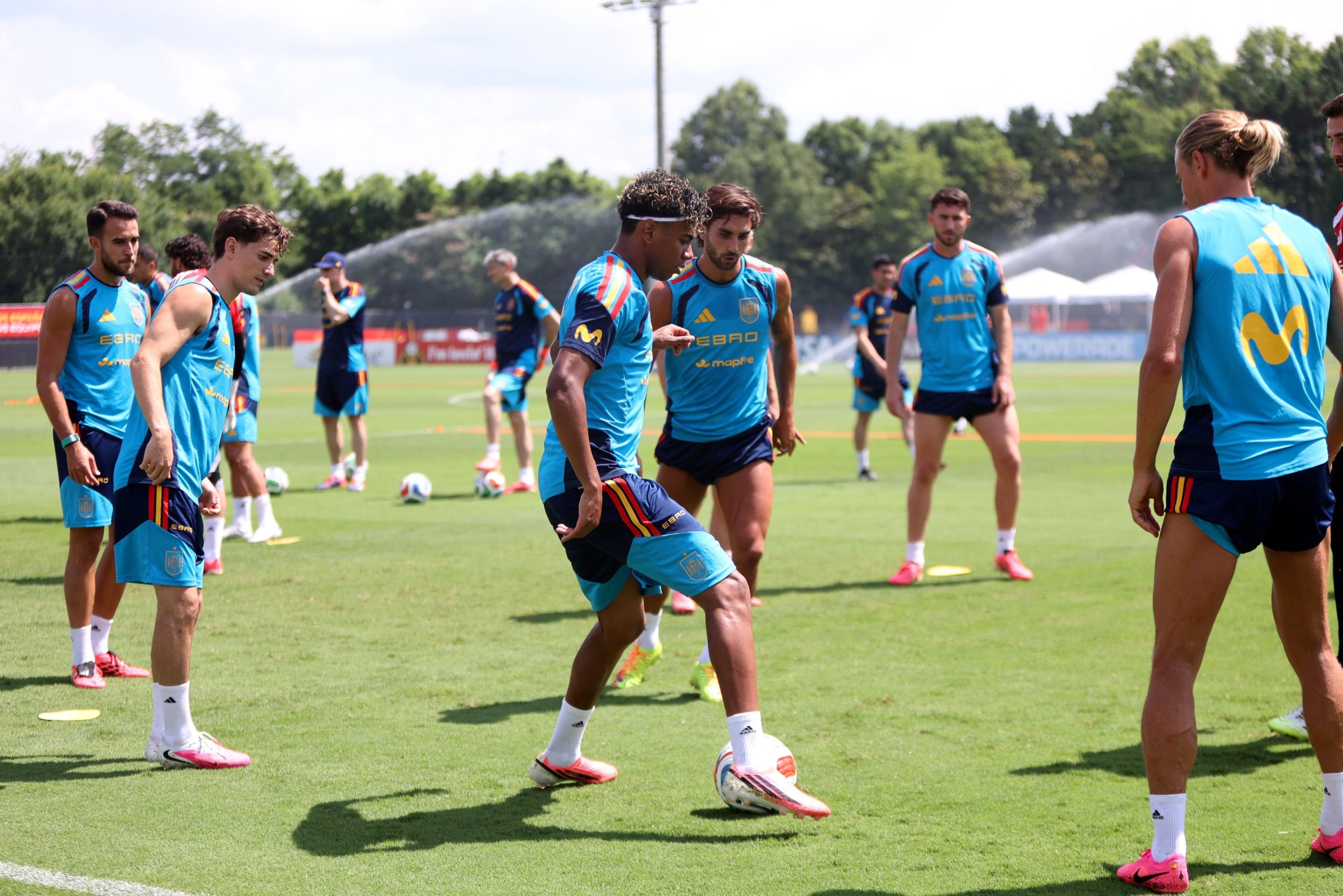
Spain arrived in Atlanta expecting to make a deep World Cup run, but faces a Monday opener against Cape Verde, whose players are embracing the excitement of representing their nati...
ARLINGTON, Texas (AP) -- Daichi Kamada and his Japanese teammates were minutes away from a World Cup -opening loss that wouldn't have been unexpected considering the opponent. His tying goal will be remembered for…
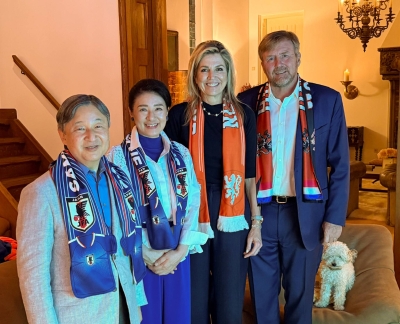
According to the Imperial Household Agency, the Dutch side suggested the two couples watch the group match, held in Arlington, Texas, together on television.
Mundial 2026: Horarios y canales para ver EN VIVO los partidos de este lunes 15 de junio
Find out at what time and where to watch Spain's debut in the World Cup as well as the game between Belgium, Uruguay and the match between Iran and New Zealand
Somali referee Omar Artan, who was denied entry to the United States to officiate at the World Cup, will still receive his tournament fee from Fifa in full.
"تواصل مع أشخاص سيئين".. البيت الأبيض يبرر منع الحكم عمر عرتن من المونديال
The White House defended its ban on a Somali referee from entering the United States to officiate World Cup matches amid travel restrictions that followed the World Cup.
The family and community of Socceroos star Nestory Irankunda are "very emotional" after his goal-scoring World Cup debut. His cousin says he will be "forever grateful" for the support the family received after arriving…
Football fans are forced to endure much to keep their love of the beautiful game alive, but FIFA's cynical new "hydration breaks" are stretching the friendship like never before.
The controversy between Ceferin and Infantino over the 48-team World Cup does not do justice to the national teams that qualified with merit. UEFA versus FIFA is an interested duel
Allemagne-Curaçao : un score fleuve, symbole des grands déséquilibres de cette Coupe du monde à 48 équipes
For its baptism of fire in the tournament, the small Caribbean island was crushed, as expected, on Sunday in Houston (1-7), by the quadruple world champions.
AI read
What the coverage agrees on, and where it splits
This view is generated from the clustered articles, so it is best read as a map of coverage rather than a replacement for the source reporting.
Broadly agreed
All sports-covering sources confirm the 2026 World Cup is underway with results including Sweden 5-1 Tunisia and Japan 2-2 Netherlands.
All sources covering the referee incident confirm Somali referee Omar Artan was denied US entry and FIFA will pay him his full fee.
Contested framing
Le Monde and La Repubblica frame the 48-team format critically as producing unfair mismatches and governance controversy; Al Jazeera Arabic and match-focused coverage treats the format as a given without critical analysis.
The White House framed Artan's visa denial as him 'communicating with bad people' (Al Jazeera Arabic); BBC and Daily Nation frame it as an institutional injustice resolved through FIFA payment.
Still unclear
The full list of teams or individuals affected by US travel restrictions during the World Cup, beyond the confirmed Artan case, has not been publicly established.
Notable omissions
Environmental and worker health risks of the World Cup — covered by The Guardian regarding extreme heat and worker safety — are entirely absent from match-focused coverage across almost all other outlets.
Quality check
Read with awareness: worker safety risks are systematically underreported; US travel restriction scope unclear.
Environmental/worker safety omission: The Guardian covers extreme heat and worker risk; almost all other outlets omit this dimension entirely.
Contested framing of format: Le Monde/La Repubblica critique 48-team mismatches; match-focused coverage treats format as neutral.
Visa denial framing contested: White House 'bad people' claim (Al Jazeera Arabic) vs. institutional injustice framing (BBC/Daily Nation) reflects source positioning.
Unconfirmed scope: Full list of teams/individuals affected by US travel restrictions beyond Omar Artan unknown.
Review confidence: 78%
Signal strength
2/5Narrative divergence
12Sources compared
1Days in coverage
How each outlet frames this story
Divergence2/5
Narrative Divergence
How differently the sources covering this story frame it — measured by tone, emphasis, and what each outlet chooses to highlight or omit.
1 — Sources frame the story almost identically
2 — Minor differences in tone or emphasis
3 — Noticeable differences; some outlets highlight what others omit
4 — Stark contrasts; conflicting narratives
5 — Sources tell fundamentally different stories
British
BBC covers the racist gesture incident at a South Korean influencer during a match in Mexico and the Somali referee receiving full pay despite US entry denial — foregrounding institutional accountability.
Qatari
Al Jazeera Arabic saturates coverage with match schedules, broadcaster details, statistical records, and footballer heritage stories — consistent with its established entertainment saturation strategy.
Singaporean
CNA provides terse match results (Sweden 5-1 Tunisia, Gaethje UFC win at White House) without analytical depth, maintaining its facts-first operational framing.
Japanese
Japan Times and Yahoo Japan focus on Japan's 2-2 draw with the Netherlands, with Emperor and Empress watching with Dutch royals — framing the tournament through bilateral diplomatic warmth.
South Korean
Korea Herald covers Japan's dramatic equaliser and G-Dragon's World Cup kit designs, framing the tournament through both sports results and Korean cultural soft power.
Emirati
The National covers Saudi fans in Miami, Iran's arrival in Los Angeles, and Egypt-Belgium preview featuring Salah — reflecting Gulf regional team investment in the tournament.
Mexican
El Universal and El Tiempo focus on match schedules, clone jersey demand, Ivory Coast's victory, and a racist forbidden chant at the Monterrey stadium — combining results with civic accountability concerns.
Australian
ABC Australia leads with Nestory Irankunda's goal-scoring World Cup debut and community celebrations, integrating the tournament into hyperlocal national identity narrative.
French
Le Monde analyses the 48-team format through Germany's 7-1 thrashing of Curaçao as symbolic of the tournament's great imbalances and the structural injustice of inclusion without competitiveness.
Italian
La Repubblica frames the first-time qualifiers debate as a controversy between FIFA's Infantino and UEFA's Ceferin, arguing the format does not do justice to newcomer nations.
Turkish
Daily Sabah covers Spain's opener against Cape Verde and Turkey's 2-0 loss to Australia, framing Türkiye's World Cup return through athletic performance accountability.
Copied!
Related coverage
More topic clusters connected by category, source overlap, or narrative signal.