Qatari
Al Jazeera Arabic saturates coverage with football statistics, Spain's FIFA ranking rise, Belgium's coaching search, tactical analysis of Deschamps' disputes, and the symbolic meaning of Spain's win for Palestinians in Gaza.
South African
Daily Maverick examines how the 2026 World Cup's American entertainment framing leaves soccer facing a battle for its soul, integrating cultural identity analysis with institutional critique.
Nigerian
Premium Times directly asks whether the World Cup was a success and affirms yes, with Spain winning; framed as a straightforward assessment with cultural resonance.
Mexican
El Universal reports the World Cup left less economic impact in Mexico than expected, with CEESP estimating only 0.1% of GDP spill, using an institutional economic accountability lens.
German
Deutsche Welle takes stock of the World Cup as football's biggest show yet, noting Trump's presence at the final was booed and that the tournament may influence US midterm elections.
Japanese
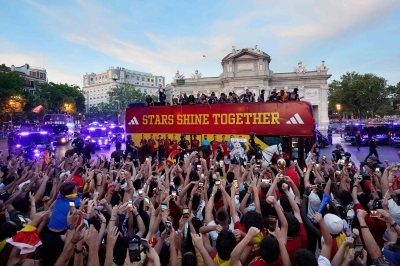
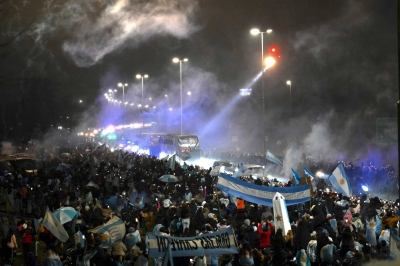
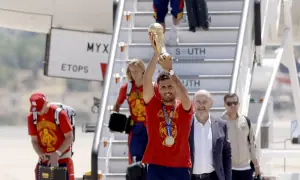
Japan Times covers thousands welcoming Argentina home without Messi after the World Cup loss and the Spain victory parade drawing an estimated 2 million in Madrid.
South Korean
Korea Herald covers Hyundai deepening its FIFA partnership with a robotics push at the World Cup, framing the tournament through corporate alliance and future mobility technology.
Italian
La Repubblica analyses how Spain creates its footballing myth through youth development, and covers Messi's emotional statement about his 'wound' that will take time to heal.
Singaporean
CNA publishes a commentary celebrating the World Cup as one to remember despite chaos and controversy, maintaining a pragmatic balanced assessment.
Emirati
The National grades the eight Arab teams' performance at the World Cup and covers Messi's post-final statement, integrating regional identity with sports analysis.
Uzbek
Gazeta.uz reports Uzbekistan dropped 10 FIFA ranking places after losing all three World Cup matches, framing it as a factual national sports accountability outcome.