Venezuela earthquakes kill 920 people as international rescue teams arrive
Hundreds are still feared trapped under the rubble, as families desperate for news.

Back-to-back magnitude 7.2 and 7.5 earthquakes killed at least 920 people and left over 50,000 missing in Venezuela, compounding a pre-existing humanitarian and political crisis and triggering one of the...
Folha de S.Paulo foregrounds the Venezuelan regime's access restrictions to La Guaira and reports that Vice President Delcy Rodríguez was booed in Caracas, framing governance failure as central to the crisis. BBC News and other outlets report the death toll and international rescue efforts without emphasising government obstruction to the same degree. El Tiempo uniquely reports an internet blockade compounding the tragedy and preventing families from learning about relatives' fates, an information suppression angle absent from BBC, Folha de S.Paulo, and other sources.
Al Jazeera Arabic investigates seismographer misinformation claims about earthquake prediction, a dimension entirely absent from other covering outlets. The human interest angle appears across multiple sources—BBC and Folha de S.Paulo report a mother who died saving her daughter—but the structural framing diverges between government accountability (Folha de S.Paulo), survival narratives (BBC), and information control (El Tiempo).
Venezuela earthquakes kill 920 people as international rescue teams arrive
Death toll from Venezuela earthquake rises to 920 as foreign rescue teams start arriving
After double earthquake in Venezuela, residents call for help to rescue survivors
Building an earthquake warning system in Venezuela would take decades, says expert
The final death toll and number of survivors still trapped under rubble remain unverified, and the extent to which Venezuelan government access restrictions have impeded international rescue operations has not been independently confirmed.
No source provides detailed reporting on the Venezuelan government's internal emergency response capacity or the status of its oil infrastructure; Straits Times notes oil production was unaffected at 1.2 million barrels per day, but this fact is absent from most humanitarian-focused coverage.
BBC documents individual family tragedy — a mother dying to save her daughter — and contextualises the quakes as a 'devastating blow to Venezuela at a time of uncertainty,' noting Maduro's recent removal by US forces.
Folha de S.Paulo integrates personal testimony heavily: a Venezuelan footballer's post about his dead wife, a mother digging through rubble, Brazilian victims identified by name — foregrounding individual suffering within institutional failure.
La Repubblica covers the death toll, 50,000 missing, an Italian-Sicilian victim on a video call with his daughter, and Italian civil protection teams departing for Caracas, framing it through Italian consular community stakes.
Le Monde reports international aid 'only beginning to arrive' while the population clears rubble with bare hands, emphasising institutional response gap.
El Tiempo provides the most granular Latin American coverage: moment-by-moment rescue videos, aftershock tracking, internet blackout compounding tragedy, the Maduro government militarising La Guaira, and Colombian foreign minister census of affected compatriots.
Korea Herald and Korea Herald report South Korea pledging $5 million in humanitarian aid through international organisations, framing response through alliance-positive institutional giving.
The National reports the UAE launching a $10 million relief drive, positioning UAE as a proactive Gulf humanitarian actor.
Yahoo Japan frames the earthquake as threatening to kill thousands and flags safety of approximately 50,000 people as unknown, emphasising scale uncertainty.
Straits Times documents overwhelmed hospitals and morgues with families hoping to find loved ones alive, emphasising humanitarian collapse.
Dawn covers the rising toll to 920 and arrival of foreign rescue teams, providing straight factual reporting without political framing.
This page maps the coverage. The 50 articles below are the original reports the comparison is drawn from — open them for each publisher's full reporting.
Hundreds are still feared trapped under the rubble, as families desperate for news.
Héctor Bello wrote on social media that "you gave your own life for our daughter" in the quakes which killed at least 920 people.

The death toll from two powerful earthquakes that devastated Venezuela earlier this week rose to 920 on Friday, National Assembly President Jorge Rodriguez said. In a televised address, Rodriguez updated the death toll…
International assistance is only beginning to arrive, while the population has been trying to clear the rubble with their bare hands since Wednesday. As the hours passed, the death toll rose to 920, to which were added 50,000...
Even though it is located at the meeting of two tectonic plates, Venezuela does not have a robust earthquake warning system, like other nations that are also in unstable areas, and a large part of the population was…
The Venezuelan regime announced that it will restrict access to the state of La Guaira, a coastal region that looked like a war zone after the earthquakes that hit the country, starting at 8 pm this Friday (9 pm…
A player from Marítimo de La Guaira, a second division team in Venezuela, drew international attention after sharing with followers the family tragedy he is going through following the strongest earthquake in the country in more than…
A 4.9 magnitude earthquake was felt in Venezuela this Friday (26), two days after twin tremors left a trail of destruction in the country, with the confirmation of 920 deaths and an estimate of more than 50 thousand...
The interim leader of Venezuela, Delcy Rodríguez, said this Friday (26) that she received a call from the President of the United States, Donald Trump, and the head of Washington's diplomacy, Marco Rubio. Read more…
Parque Generalíssimo Francisco de Miranda, known as Parque del Este, is usually a leisure and cultural space for Caracas residents. However, since Wednesday night (24), after the two earthquakes that…
The destruction caused by the earthquakes that hit Venezuela mobilized the country's population to create a network of aid and civilian volunteers. The road that connects Caracas to La Guaira, a coastal region that was…
Yenderlin Cabarza arrived at the hospital with fractures, in the area hardest hit by the earthquakes in Venezuela. Her mother did not survive, nor did her uncle, who protected her with his own body from a collapse.
Model Vanessa Zacarias da Silva, 44, is one of two Brazilian victims who died as a result of the earthquakes recorded in Venezuela on Wednesday (24), according to information shared by family members. THE…
UN humanitarian aid chief Tom Fletcher estimates that more than 50,000 people are missing following the earthquakes that hit Venezuela. "This is an extremely complex rescue operation",…
Amparo del Giudice digs with her own hands through a mountain of rubble in search of her son, one of the victims of the most devastating earthquakes in Venezuela since 1900. Read more (06/26/2026 - 1:36 pm)
Rescue teams arrive from nine countries, including Italy and Germany in the next few hours. A new earthquake of magnitude 4.9 was felt in the north of the country.
There are more than 900 dead, over 50 thousand missing while the population digs with their bare hands to save the survivors under the rubble. “The aid promised by the government is not arriving.”
97 civil protection workers landed in Venezuela during the night. They will go to La Guaira: "It will be like Turkey in 2023"
According to Unicef, there are at least 3.9 million children and teenagers present in the earthquake areas
A Sicilian among the victims: he was on a video call with his daughter. Mobilization through social media to search for those who cannot be found
The famous photojournalist born in Gorizia and emigrated to Venezuela: "I heard an impressive roar, I was paralyzed at home"
The official death toll from twin earthquakes that flattened parts of Caracas and surrounding areas rose to 920, the authorities said on Friday. The government has estimated hundreds of people still trapped and missing…


Hospitals and morgues were overwhelmed as family members hoped to find their loved ones alive.
Its oil production was not affected by the quakes and remained at 1.2 million barrels per day.
South Korea will provide $5 million in humanitarian assistance to Venezuela after two powerful earthquakes struck the country’s northern region, the Foreign Ministry said Friday. The aid will be delivered through…

Foreign rescue teams and aid were arriving on Friday in Venezuela nearly two days after devastating twin earthquakes flattened areas in and around the capital Caracas, forcing residents to dig through rubble to save…

The South Korean government will provide $5 million in humanitarian assistance to Venezuela through international organizations operating in the country following this week's devastating earthquakes, the Foreign…


The Trump Administration mobilizes more than 250 search and rescue specialists, military logistical support and $150 million in assistance.
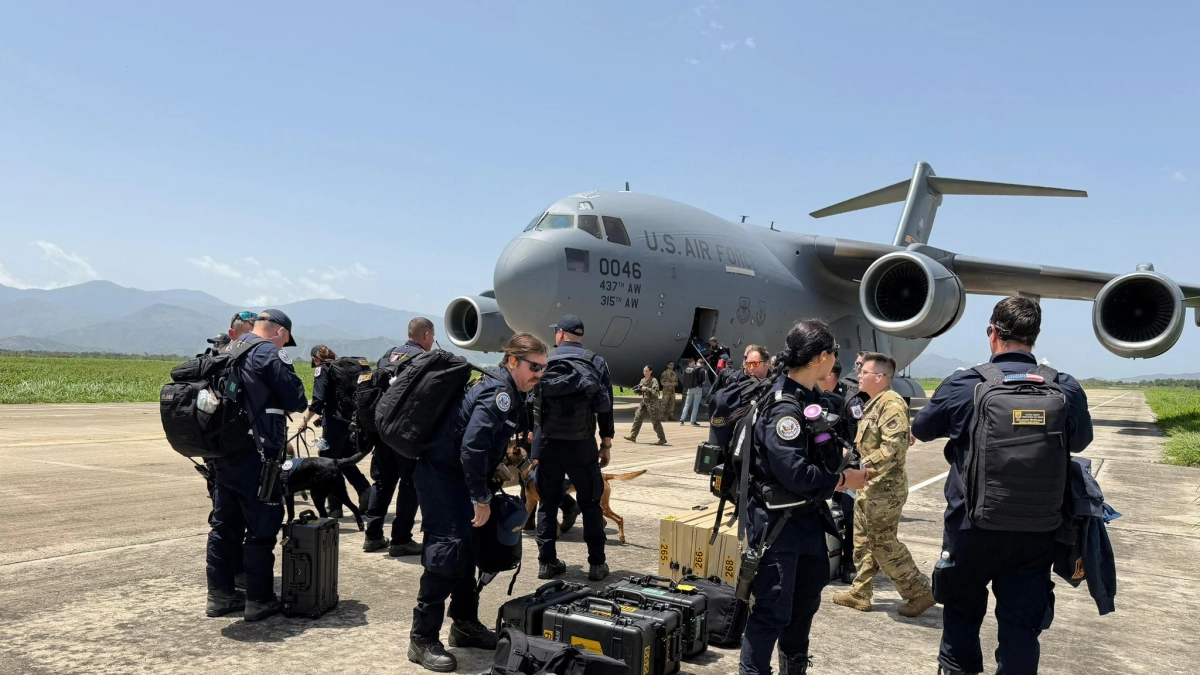
In the midst of the difficulties for the rescue, the Government militarized La Guaira and international aid began to arrive.
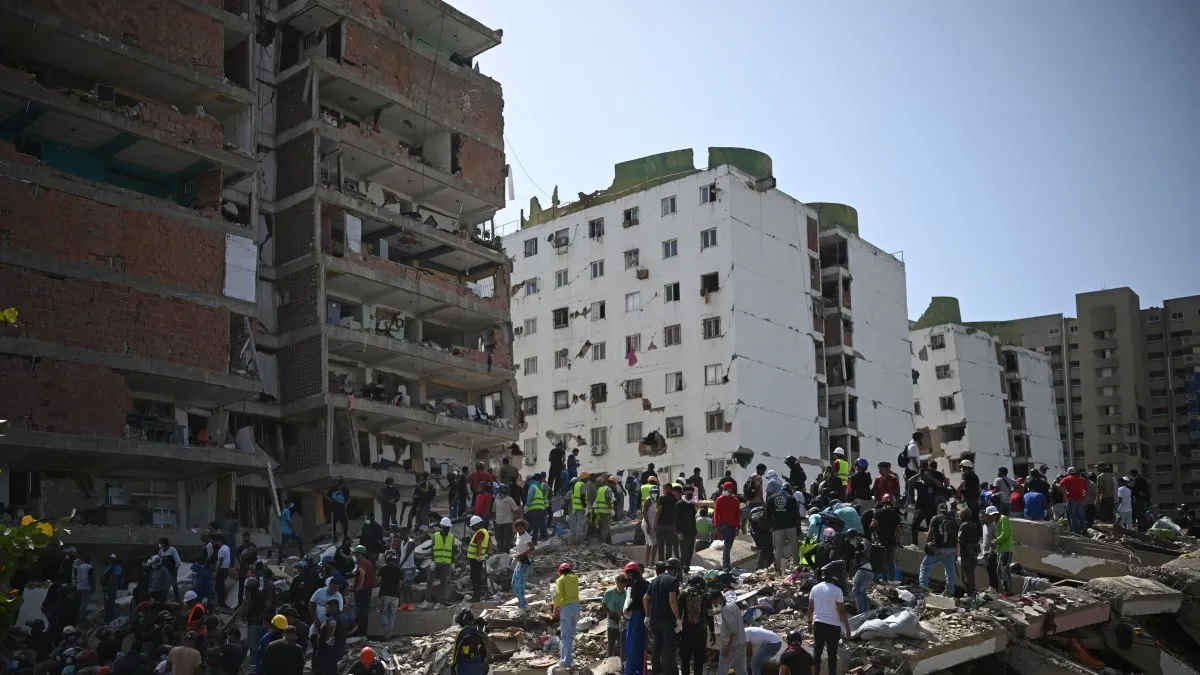
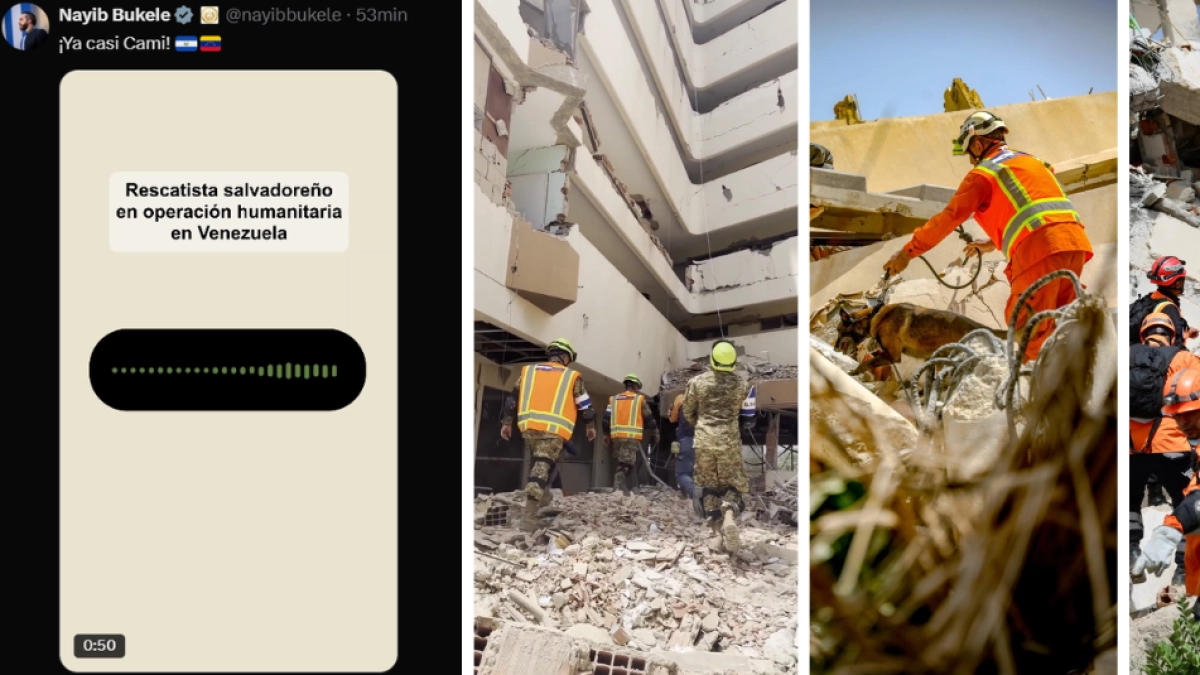
The president of El Salvador announced hours before that the minor had been found alive and that she would be the first rescued by Salvadorans.
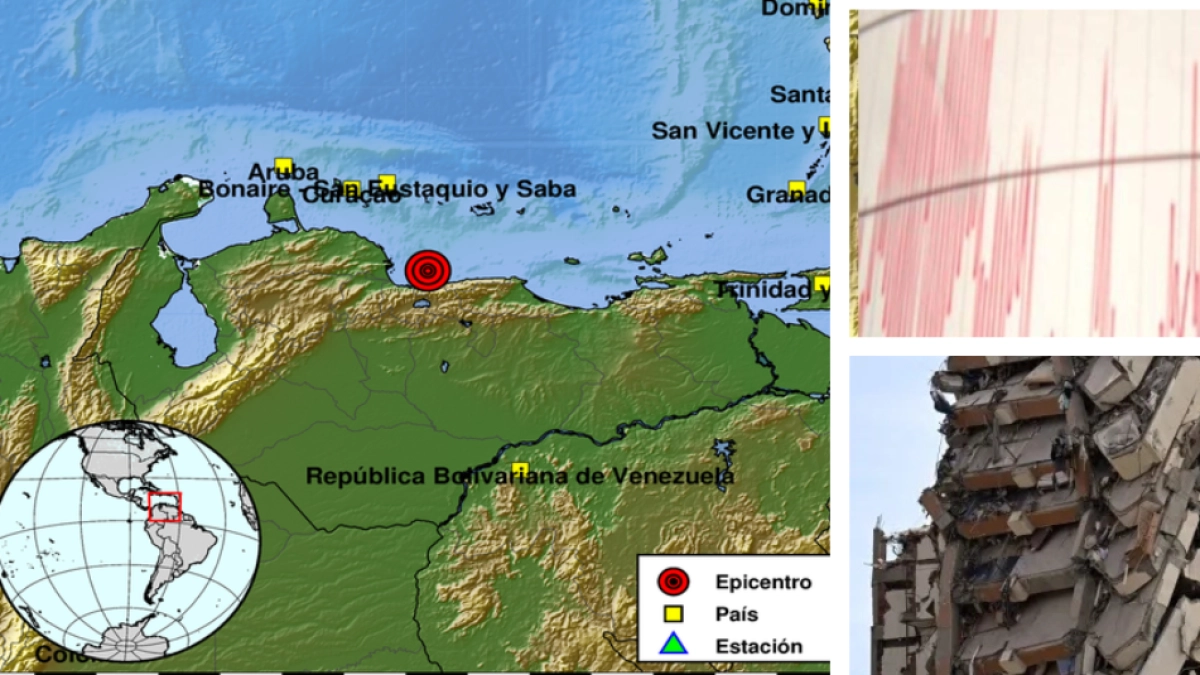
The Colombian Geological Survey and the United States Geological Survey confirmed the new earthquake. This is known.
It was Yimvert Berroterán, a soccer player for the Venezuelan U-20 team. The UCV Fútbol Club and the Secasports agency also mourned the death.

At least 4,300 people have been injured after two seven-plus magnitude shallow quakes hit seconds apart.

The twin quakes come less than six months after Venezuela's then-leader Nicolás Maduro was seized by US forces.

The capital and its surrounding areas have seen some of the worst damage from the 7.2 and 7.5 quakes, which hit a minute apart.

The Government of Venezuela raised the emergency toll to 235 dead and more than 4,300 injured after the 7.2 and 7.5 magnitude earthquakes.

The balance speaks of 235 deaths and 1,500 injured. La Guaira is the state that presents the most destruction.
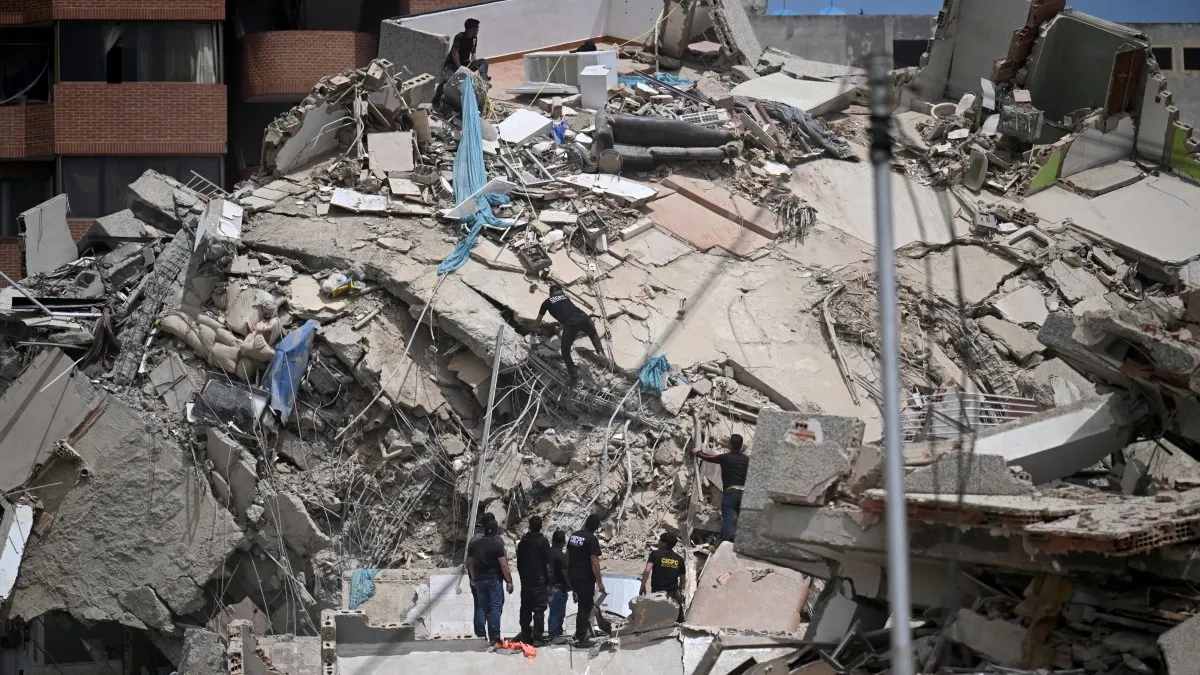
Specialists had already documented the weaknesses of Venezuelan infrastructure. Many of the recommendations never happened.

The first tremor was of magnitude 7.2 and the second of 7.5; both occurred within a few seconds of each other.

For now, it does not have an inventory of possible compatriots injured or killed after the earthquakes in Venezuela.
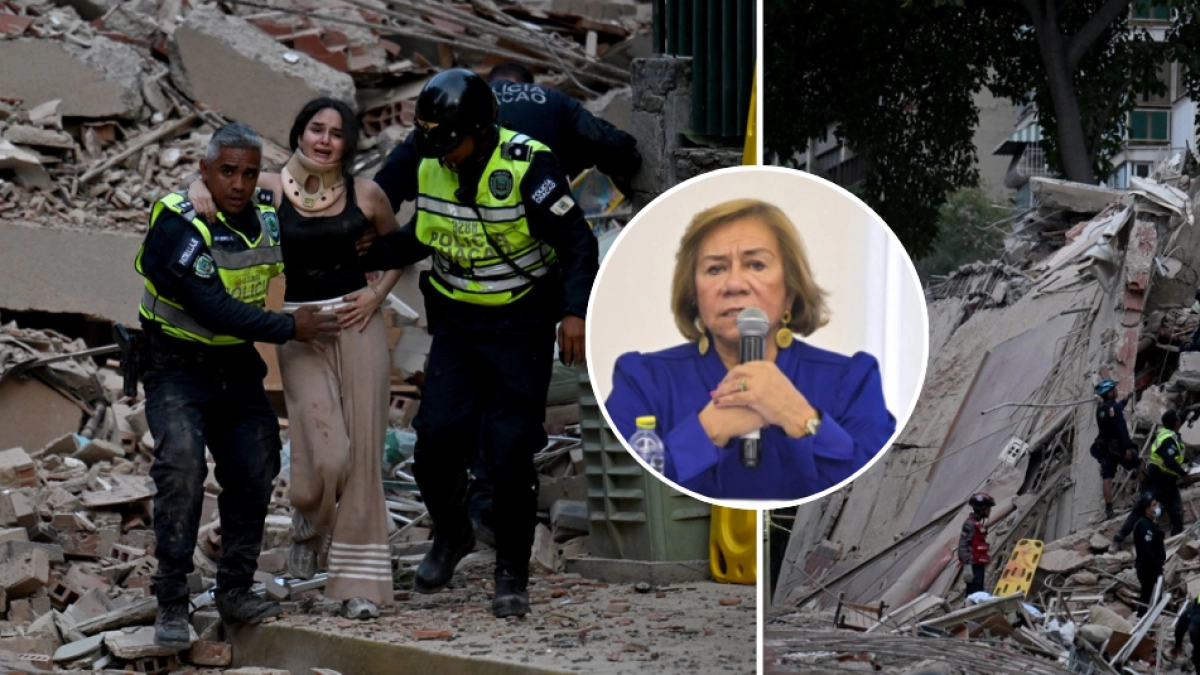
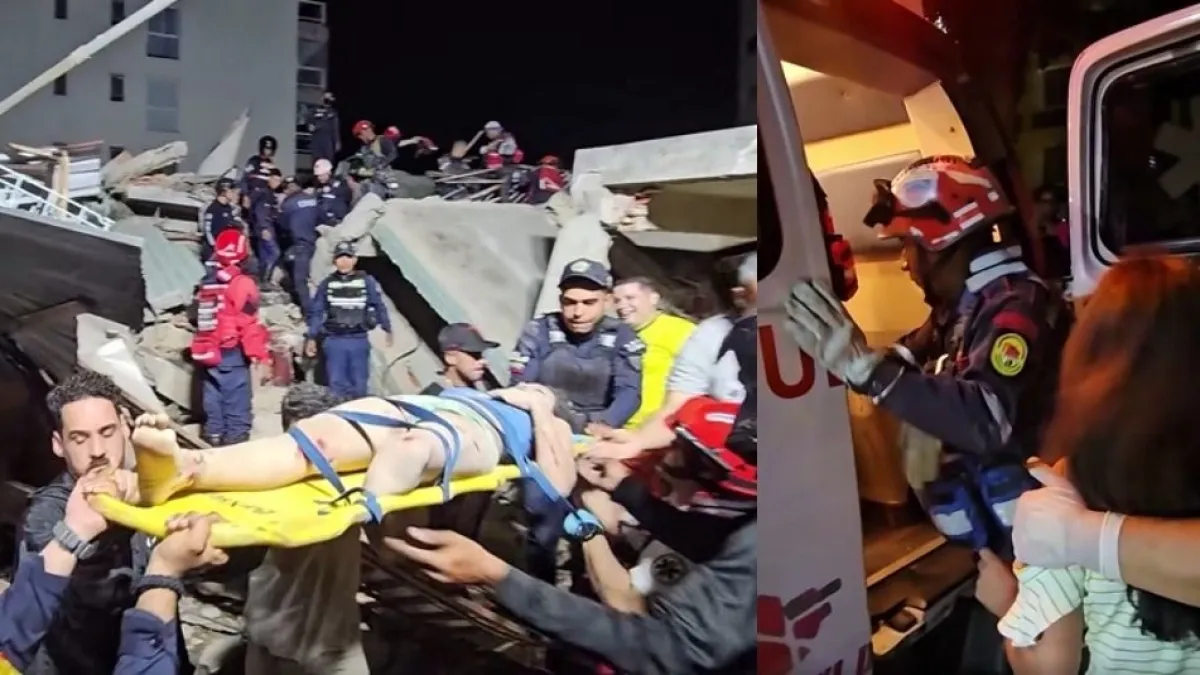
The minor was found alive after arduous work by the community and relief agencies in a collapsed building.
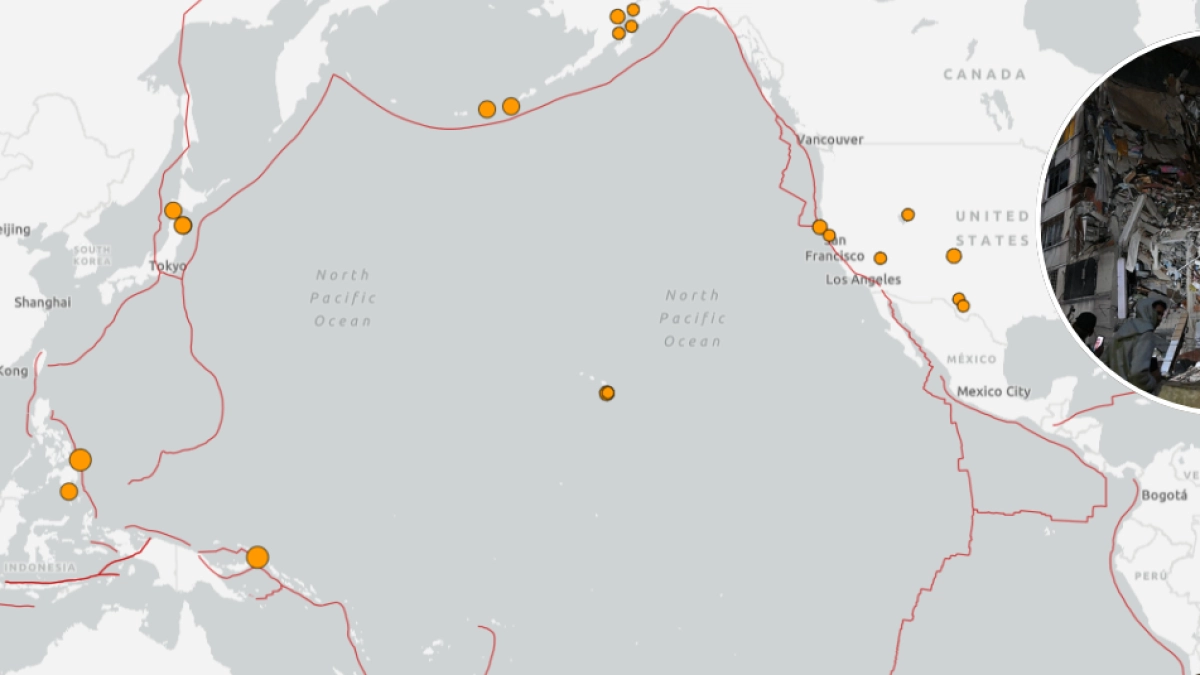
After the earthquakes of magnitudes 7.2 and 7.5 in Venezuela, other earthquakes of up to 6.9 and 4.9 were reported in less than 24 hours.
The United States Department of the Treasury issued an order that allows these operations until October 23.
The Mexican president received the monarch at the National Palace in Mexico City, an appointment that opens the door to a new stage of cooperation.

The moving scene went viral on social networks after the emergency that left hundreds of victims and destroyed structures in the neighboring country.