How the world covered it

Venezuela Political Transition

Post-Maduro Venezuela is in a delicate transition, with the US military chief visiting Caracas for the first time, Rubio declaring Venezuela needs a free press and new electoral commission, and political...

Editorial comparison

Colombian El Tiempo frames US military visit as constructive normalisation; Brazilian Folha frames Rodriguez role as evidence of authoritarian structural continuity despite Maduro's removal.

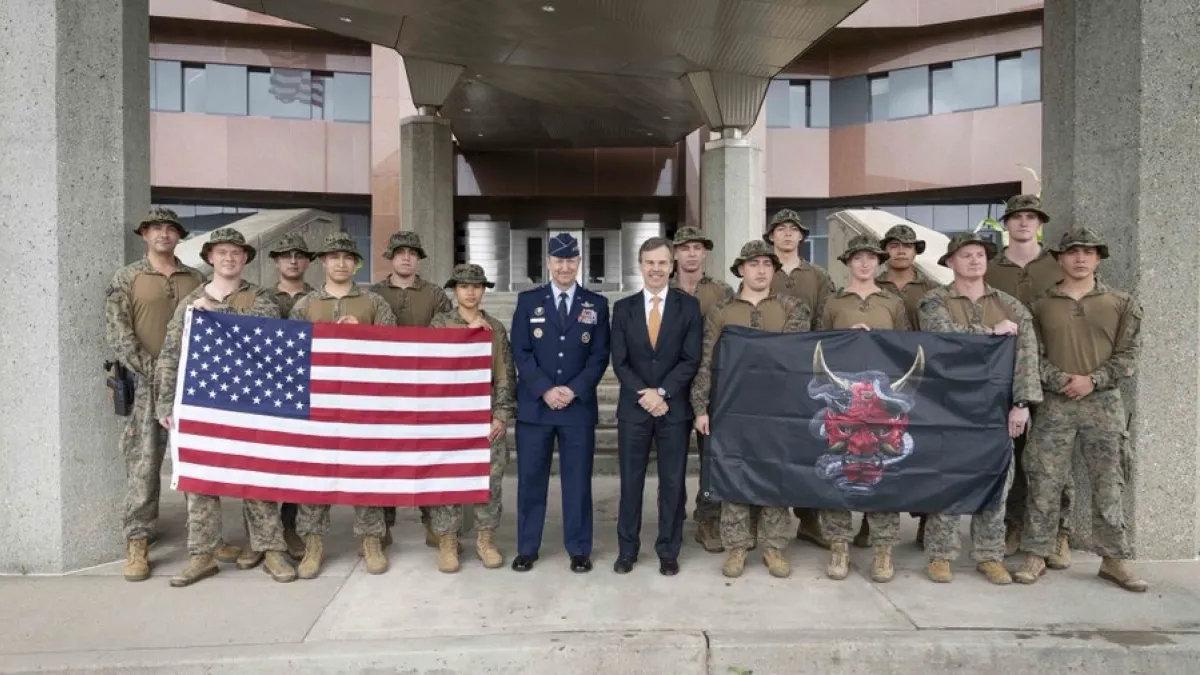
El Tiempo leads with institutional normalisation: "The top US military chief visits Venezuela for the first time to meet 'with senior leaders of the interim government'," treating the visit as a sign of re-establishing relations post-Maduro. El Tiempo also reports Rubio's statements about needing free press and new electoral commission.

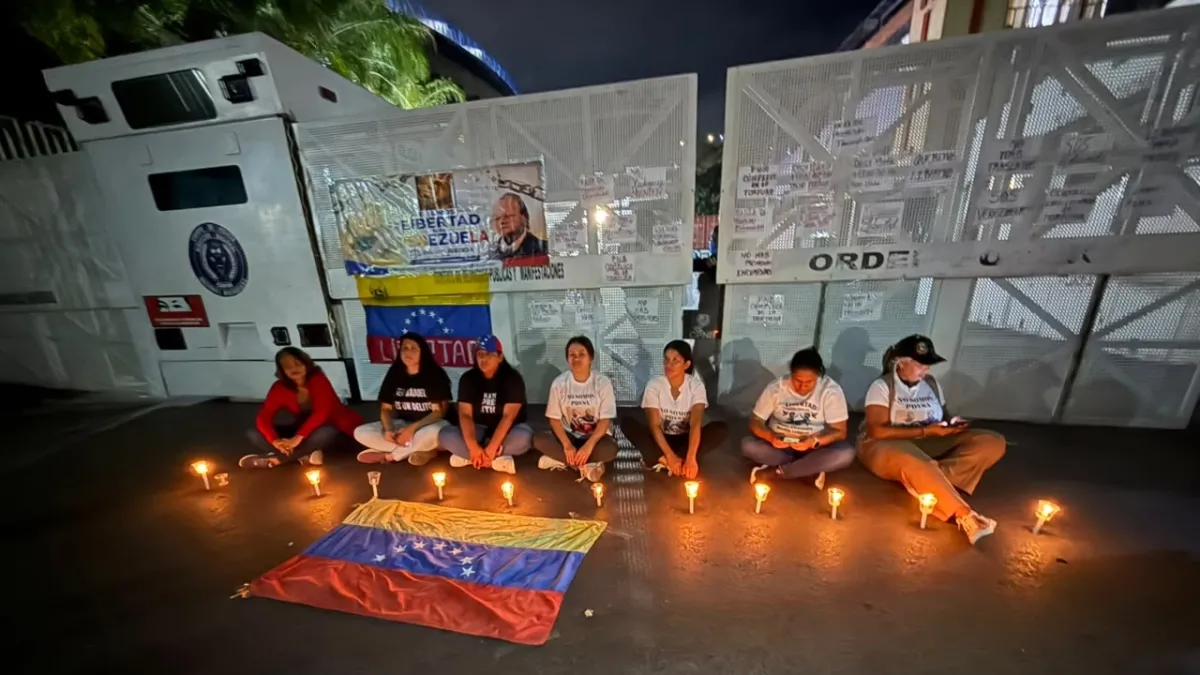
Folha de S.Paulo takes a different angle: "What is the role of Maduro's 'do-it-all' in Delcy's Venezuela?" positioning Delcy Rodríguez (and her operative) as evidence that authoritarian structures persist despite Maduro's removal. Folha emphasises continuity and persistent institutional authoritarianism. Both outlets report on prisoners—El Tiempo documents relatives protesting massive transfers—but Folha's structural analysis implies deeper institutional problems than Rubio's electoral reform agenda acknowledges.

How each outlet opened the story

Maduro's operative persists; authoritarian structures remain

El Tiempo Colombia

US military chief visits Venezuela for first time

Coverage map

What coverage agrees on, contests, or leaves unclear.

Broadly agreed
  • Sources confirm the US top military commander visited Venezuela for the first time to meet interim government leaders following Maduro's removal.
  • Sources confirm ongoing human rights concerns with political prisoners remaining in Venezuelan detention facilities.
Contested framing
  • Colombian El Tiempo frames the US military visit as constructive normalisation; Brazilian Folha frames the Rodriguez role as evidence of authoritarian structural continuity despite Maduro's removal.
Still unclear

The specific terms of Venezuela's political transition, the status of political prisoners, and the timeline for new elections as demanded by Rubio remain unconfirmed.

Notable omissions

The humanitarian crisis facing ordinary Venezuelans during the transition, including food and medicine access, is absent from available coverage which focuses on high-level diplomatic and political dynamics.

Regional framing

How different outlets describe the same story.

Brazilian

Folha de S.Paulo analyses the role of Maduro's 'do-it-all' operative Delcy Rodriguez in Venezuela's transition, emphasising the continuity of authoritarian power structures within the new government.

Brazilian

Folha also reports Rubio declaring Venezuela needs a free press and a new electoral commission, framing it through US institutional demands for democratic governance.

Colombian

El Tiempo covers the US military chief visiting Venezuela for the first time to meet 'senior leaders of the interim government,' framing it as a significant step in US-Venezuela normalisation.

Colombian

El Tiempo also reports relatives of political prisoners in El Helicoide demanding information during a tense police operation, highlighting ongoing human rights concerns in the transitional period.

Source trail

Original reporting behind this perspective.

This page maps the coverage. The 4 articles below are the original reports the comparison is drawn from — open them for each publisher's full reporting.

Show 4 source articles
Perspective link copied