How the world covered it

Venezuela Earthquake Death Toll and Recovery

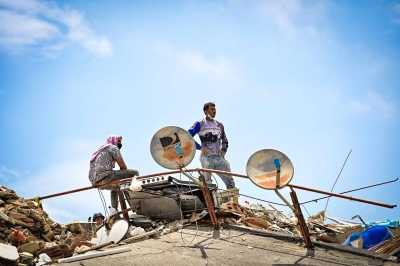
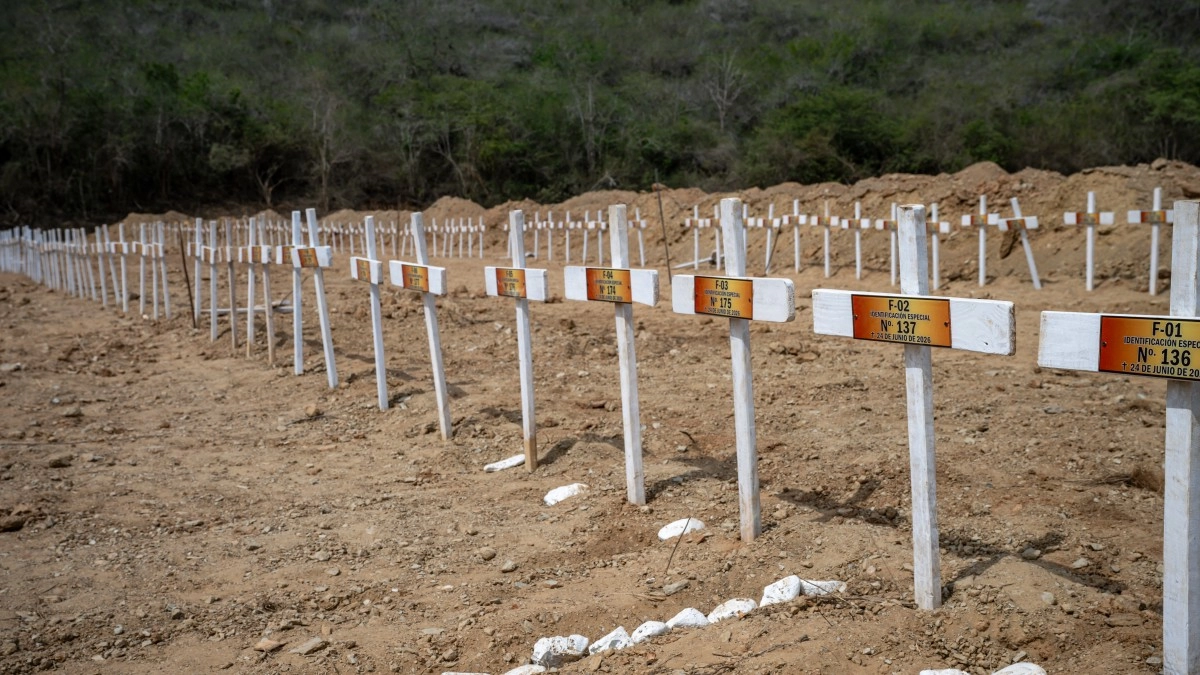
With the official death toll at 3,535 and the UN estimating up to 50,000 people could be missing, the Venezuela earthquakes of June 24 constitute one of Latin America's worst natural disasters in a century...

Editorial comparison

Brazilian and Colombian outlets provide structural and human detail; official death toll reaches 3,535 with no unified international narrative on systemic failures.

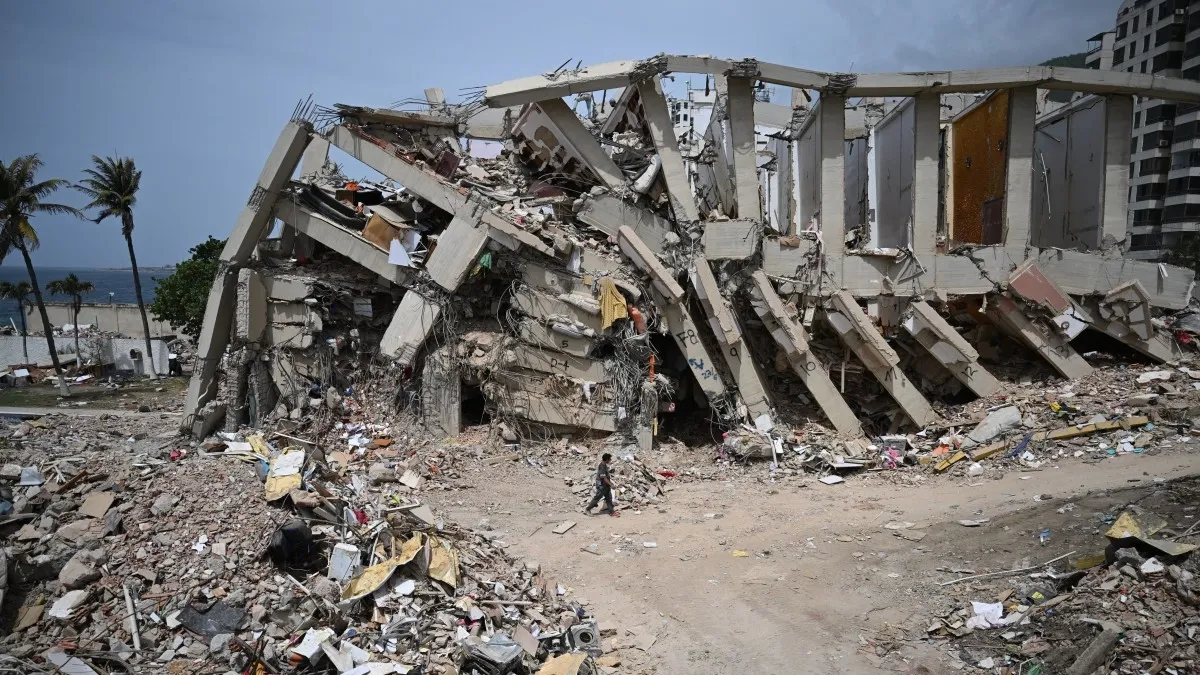
Folha de S.Paulo explicitly frames building collapses as 'a tragedy foretold' due to Chávez-era construction failures and poor structural standards, treating the earthquake as exposing pre-existing governance vulnerabilities. El Tiempo and El Universal report official government figures and casualty counts without this structural critique, focusing instead on recovery operations, property inspections, and individual stories of loss including the deaths of prominent figures.

BBC News and Folha de S.Paulo both report the story of a 12-year-old girl surviving on ketchup and cheese, with BBC framing this as a human resilience narrative. El Tiempo provides multiple angles on institutional response—the 'traffic light' inspection system, body bag shortages being addressed by citizens—suggesting a focus on how institutions and communities are responding rather than on failure causation. The UN's estimate of up to 50,000 missing appears in no outlet summary provided.

How each outlet opened the story

With ketchup and cheese: girl tells how she survived

Girl trapped in Venezuela quake survived on ketchup and cheese

El Tiempo Colombia

Venezuela begins massive inspection phase of properties after double earthquake

Death toll from earthquakes in Venezuela rises to 3,535

Coverage map

What coverage agrees on, contests, or leaves unclear.

Broadly agreed
  • All covering sources confirm the official death toll has reached 3,535, with 16,740 injured and over 17,000 displaced.
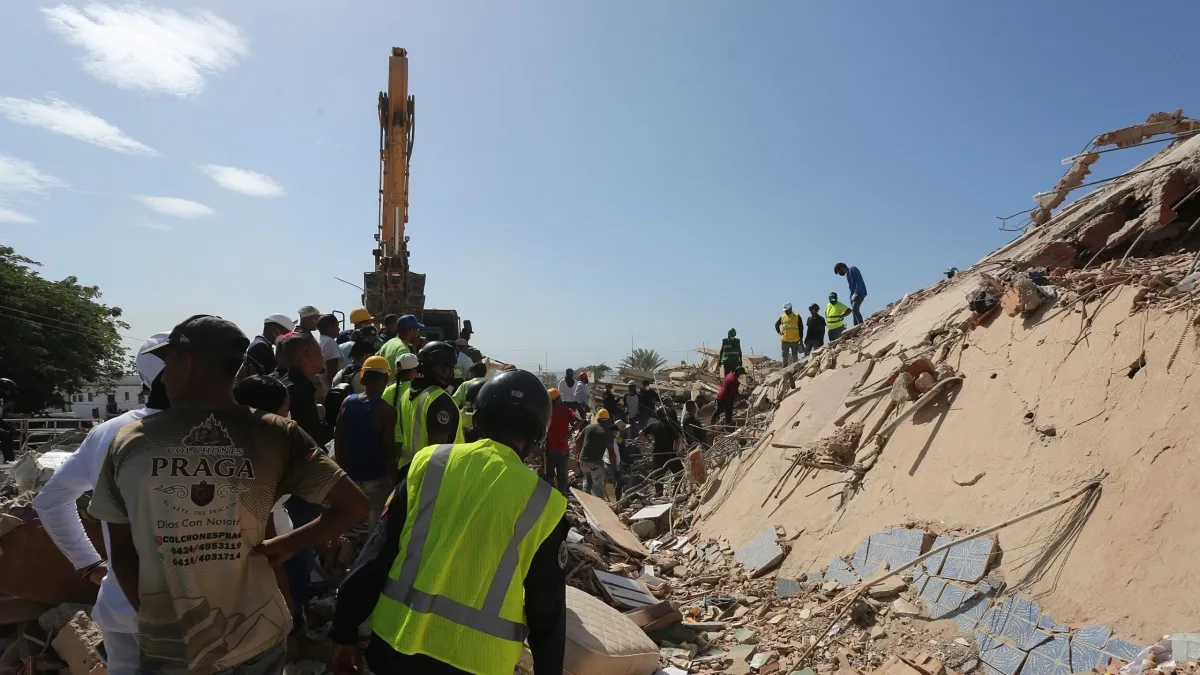
  • Sources agree the international rescue phase has ended and Venezuela is now in a domestic inspection and recovery phase.
  • Multiple sources confirm structural failures of Chávez-era buildings were a major factor in the scale of casualties.
Contested framing
  • Folha de S.Paulo explicitly frames the building collapses as 'a tragedy foretold' due to Chávez-era construction; El Universal presents official government figures without this structural critique.
  • El Tiempo frames the earthquake as having reordered US-Venezuela relations in a positive direction; this diplomatic angle is absent from other sources focusing on humanitarian consequences.
Still unclear

The UN estimate of up to 50,000 potentially missing has not been confirmed or denied by the Venezuelan government, which has not updated missing persons figures according to El Universal.

Notable omissions

Russian state outlet TASS and Chinese People's Daily are entirely absent from Venezuela earthquake coverage, omitting any perspective from states with significant historical ties to the Maduro government.

Regional framing

How different outlets describe the same story.

Brazilian

Folha de S.Paulo leads with personal survival testimonies — a girl who survived 32 hours on ketchup and cheese — and structural critique of Hugo Chávez-era buildings as 'a tragedy foretold,' integrating individual suffering with systemic failure analysis.

Colombian

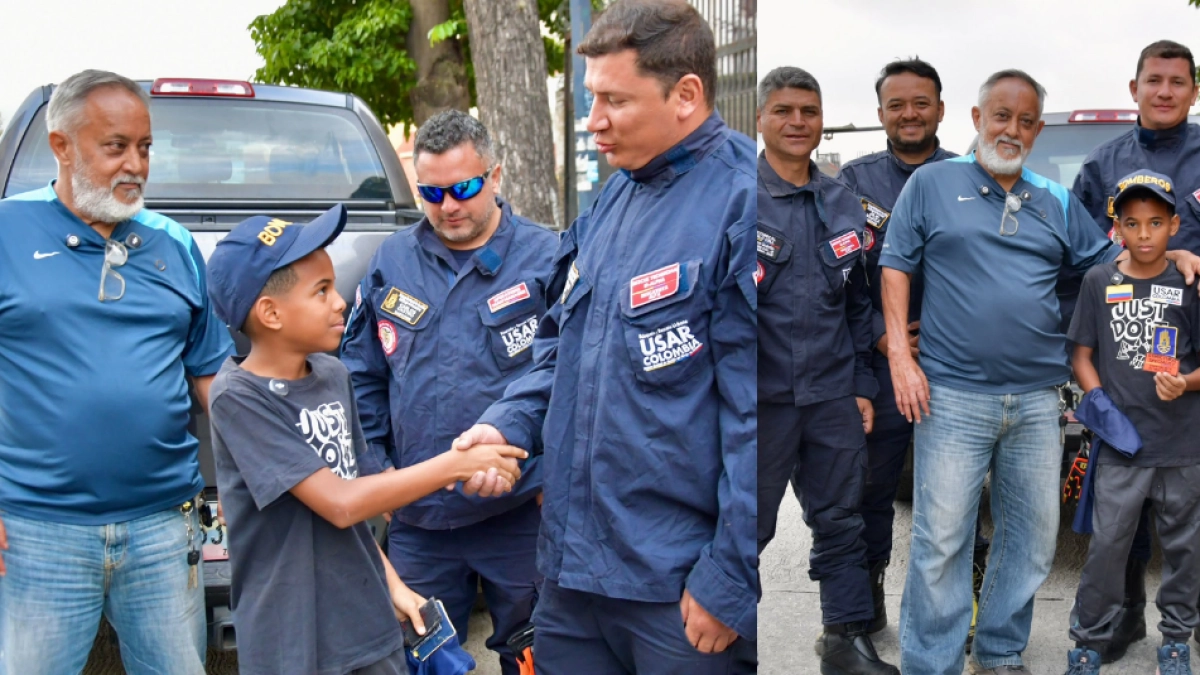
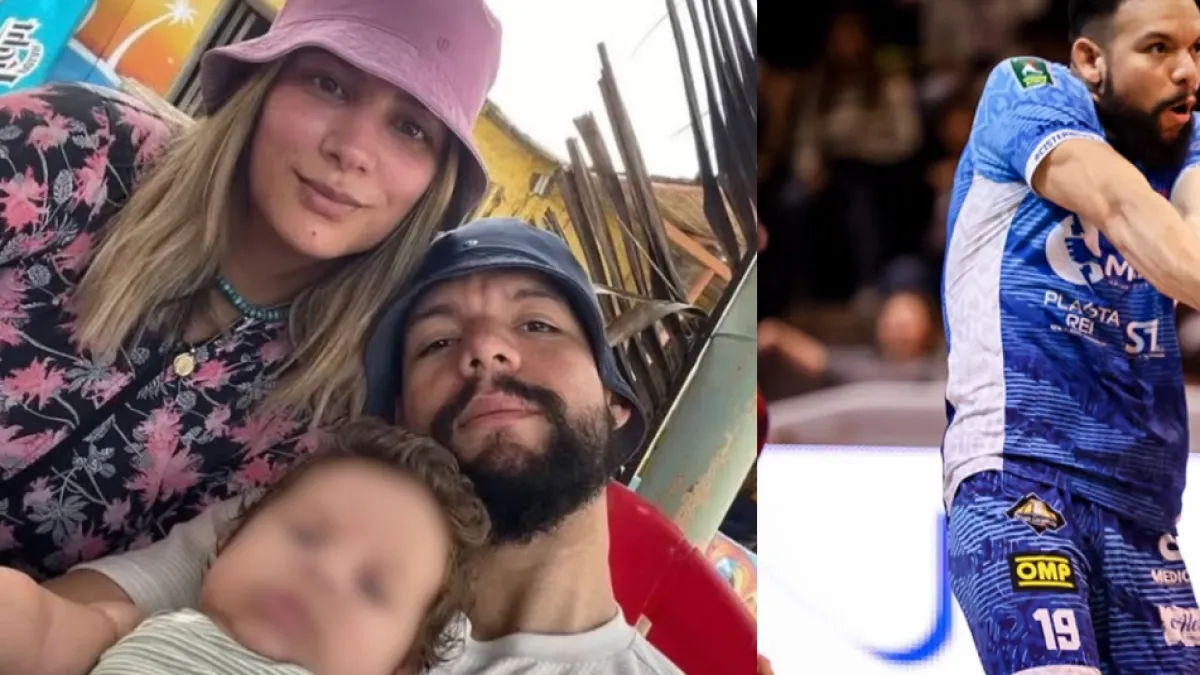
El Tiempo documents the Venezuelan government's 'traffic light' damage inspection system, a Colombian rescue team's reunion with a survivor, the death of volleyball captain Willner Rivas, and the Venezuelan woman making body bags, consistently humanising institutional response gaps.

Mexican

El Universal reports the death toll rising to 3,535 and 16,740 injured, presenting official government figures without critical institutional framing.

Singaporean

Straits Times reports the UN estimate of 50,000 potentially missing and the race to recover bodies before cleanup begins, emphasising logistical and humanitarian scale.

Japanese

Japan Times reports the official toll and displacement figures, framing the disaster through infrastructure consequence and logistical challenge.

Israeli

Times of Israel specifies that the Israeli aid team is assessing damaged buildings rather than conducting rescues, a narrow technical mandate distinct from broader rescue operations.

British

BBC News uses a personal narrative of a 12-year-old trapped survivor to document civilian consequence, consistent with its humanistic framing paired with institutional interrogation.

Colombian

El Tiempo also covers the reordering of US-Venezuela relations post-earthquake, noting that the disaster changed bilateral priorities from political confrontation to humanitarian engagement.

Source trail

Original reporting behind this perspective.

This page maps the coverage. The 17 articles below are the original reports the comparison is drawn from — open them for each publisher's full reporting.

Show 17 source articles
Perspective link copied