Brazilian and Colombian analysts document a new architecture of Latin American authoritarianism that operates through electoral manipulation and institutional capture rather than military coups — while Cuba faces its electricity grid collapse for the second time in weeks and Venezuela's earthquake response failures deepen political crisis.
2 sources7 articles2 perspectives
2Sources in this topicDifferent outlets covering the same story arc.
7Articles collectedThe full set backing this topic page right now.
3/5Narrative divergenceHover for scale explanation.
Narrative Divergence
How differently the sources covering this story frame it — measured by tone, emphasis, and what each outlet chooses to highlight or omit.
1 — Sources frame the story almost identically
2 — Minor differences in tone or emphasis
3 — Noticeable differences; some outlets highlight what others omit
A nova arquitetura do autoritarismo latino-americano
When we think about authoritarianism in Latin America, we come to images of generals in uniform, tanks in the streets, newspapers explicitly censored and opponents arrested or disappeared. Important memories for…
Por que a América Latina abriga as cidades mais perigosas do mundo
Conflicts over control of routes and illicit markets intensify murders and disappearances in Latin American countries. Of the 50 most violent cities in the world, 41 are located in the region.
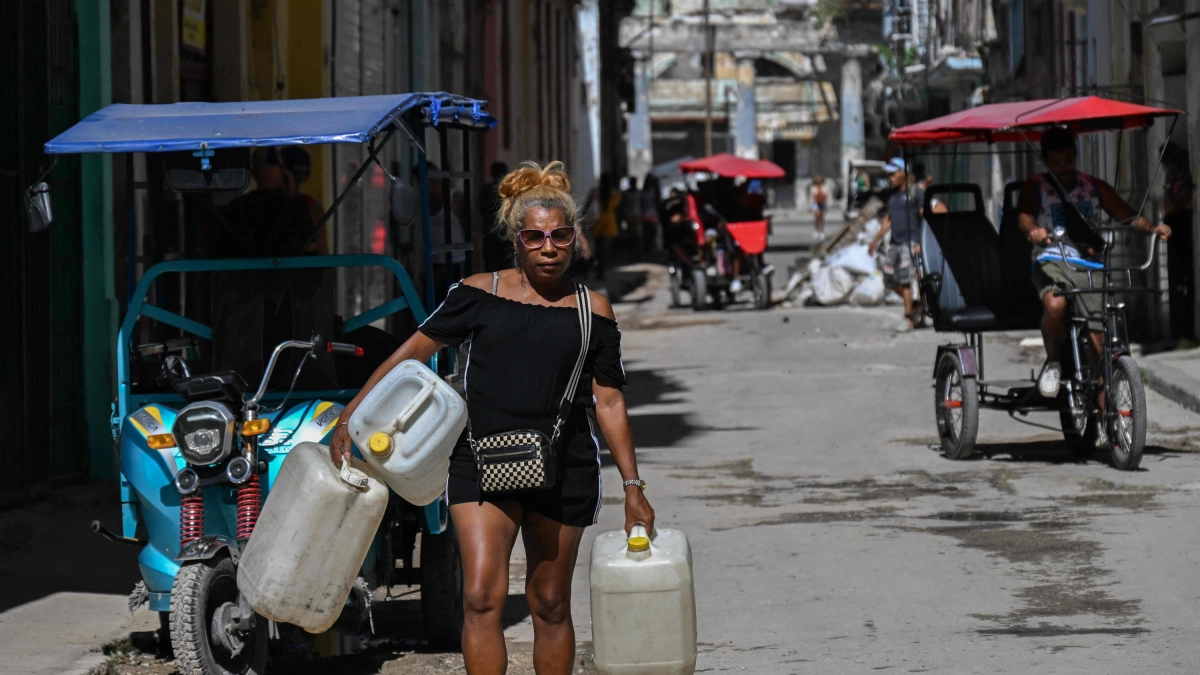
Cuba reconecta a rede elétrica após novo apagão generalizado
Cuba managed to reconnect its electricity grid this Sunday (12) after another widespread blackout. It is the second in less than a week on the island, which is subject to a fuel blockade imposed by the United States that…
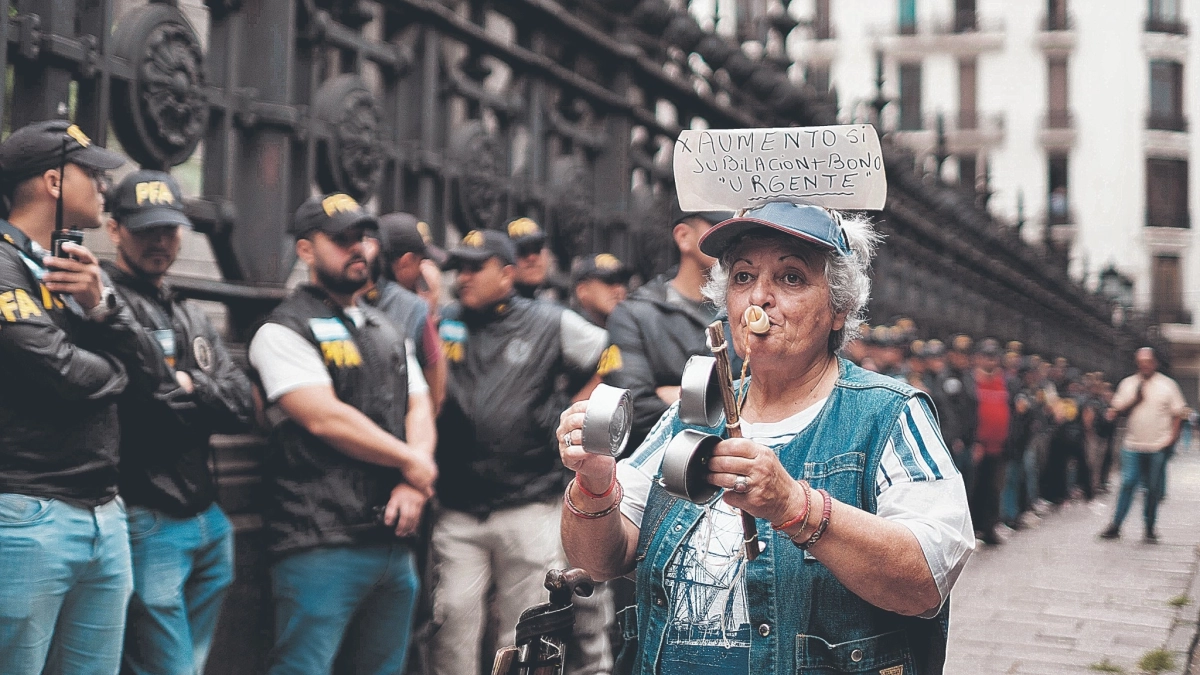
Latinoamérica pasa de la ‘marea rosa’ a la ‘ola naranja’ / Análisis de Ricardo Ávila
Four years ago the left predominated, now the pendulum is swinging to the right, just as the U.S.
AI read
What the coverage agrees on, and where it splits
This view is generated from the clustered articles, so it is best read as a map of coverage rather than a replacement for the source reporting.
Broadly agreed
Brazilian and Colombian outlets agree that Latin American authoritarianism has evolved away from military coup models toward electoral and institutional capture mechanisms.
Sources confirm Cuba experienced its second electricity grid collapse in less than a week.
Contested framing
Folha de S.Paulo frames Latin American authoritarianism as a structural systemic pattern; El Tiempo frames the regional political shift as a pendulum swing between left and right without systemic authoritarianism framing.
El Tiempo presents Trump's Cuba offensive as creating genuine opportunities for regime change; Folha de S.Paulo focuses on the authoritarian resilience dimension.
Still unclear
Whether Cuba's electricity grid failures will trigger political instability or whether the regime has sufficient coercive capacity to manage the crisis is not determinable from available summaries.
Notable omissions
No outlet outside Brazil and Colombia covers Latin American democratic backsliding as a systemic analytical story; major global outlets are entirely silent on this regional pattern.
Quality check
Cuba crisis and regional political shifts documented; systemic authoritarianism pattern unverified by international outlets.
Latin American authoritarianism pattern analysis sourced only to Brazil and Colombia outlets — no international political science corroboration
Cuba electricity grid collapse confirmed but causal mechanisms and regime coercive capacity unclear — stability implications speculative
Trump Cuba 'offensive' framing disputed between outlets (opportunity vs. resilience) but neither presents evidence of regime change likelihood
Major outlet silence on Latin American backsliding pattern noted but may reflect lack of consensus on 'systemic' framing rather than genuine blindspot
Review confidence: 75%
Signal strength
3/5Narrative divergence
2Sources compared
1Days in coverage
How each outlet frames this story
Divergence3/5
Narrative Divergence
How differently the sources covering this story frame it — measured by tone, emphasis, and what each outlet chooses to highlight or omit.
1 — Sources frame the story almost identically
2 — Minor differences in tone or emphasis
3 — Noticeable differences; some outlets highlight what others omit
4 — Stark contrasts; conflicting narratives
5 — Sources tell fundamentally different stories
Brazilian
Folha de S.Paulo publishes a major analytical piece on 'the new architecture of Latin American authoritarianism', arguing the region's democratic backsliding now operates through institutional capture rather than tanks and uniforms — a structural critique with implications for Venezuela, Nicaragua, and Cuba.
Colombian
El Tiempo covers Latin America's political shift from 'pink tide' to 'orange wave' rightward movement, situating Venezuela's failures and Cuba's crises within a broader regional political realignment narrative.
Copied!
Related coverage
More topic clusters connected by category, source overlap, or narrative signal.