British
BBC focuses on core sticking points left unresolved — particularly the $300 billion reconstruction fund and the absence of provisions requiring Iran to physically remove enriched uranium — framing Trump's claims of total victory as requiring careful credibility scrutiny.
American
CNN frames the deal as politically useful for Trump domestically even if substantively weak, with one headline calling it 'a dud' and another noting the lead Obama-era negotiator called it 'unconditional surrender' to Iran, reflecting sharp internal US debate.
French
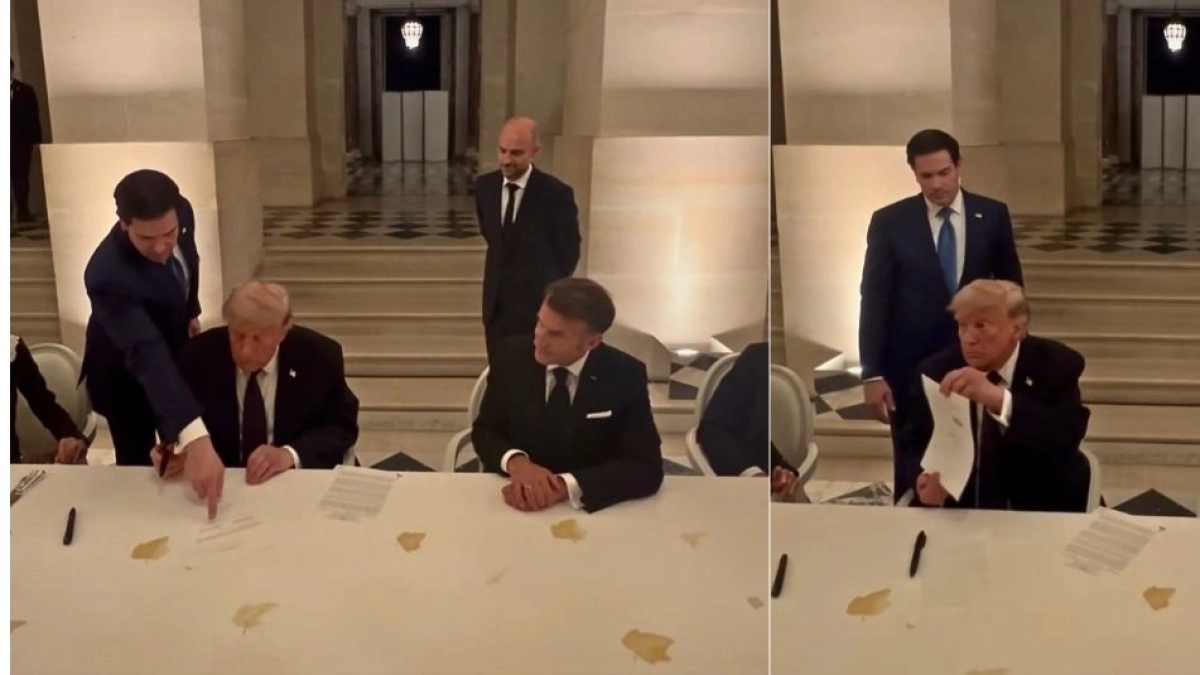
Le Monde emphasises that the agreement — signed at Versailles during Trump's dinner with Macron — came at the cost of 'major setbacks' for Washington, framing the diplomatic theatre as masking substantive concessions to Tehran.
Indian
The Hindu highlights that the MOU opens doors for Iran to claim toll rights over the Strait of Hormuz as a reconstruction-funding mechanism, framing the deal through strategic autonomy and Iran's post-war leverage rather than US victory.
Brazilian
Folha de S.Paulo provides the full 14-point document text and separately notes that Iran's state television broadcast hymns of victory, framing the deal as one the Iranian regime accepted as if it were the war's winner.
Pakistani
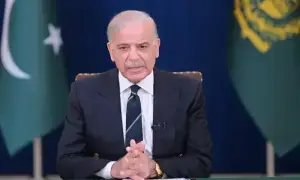
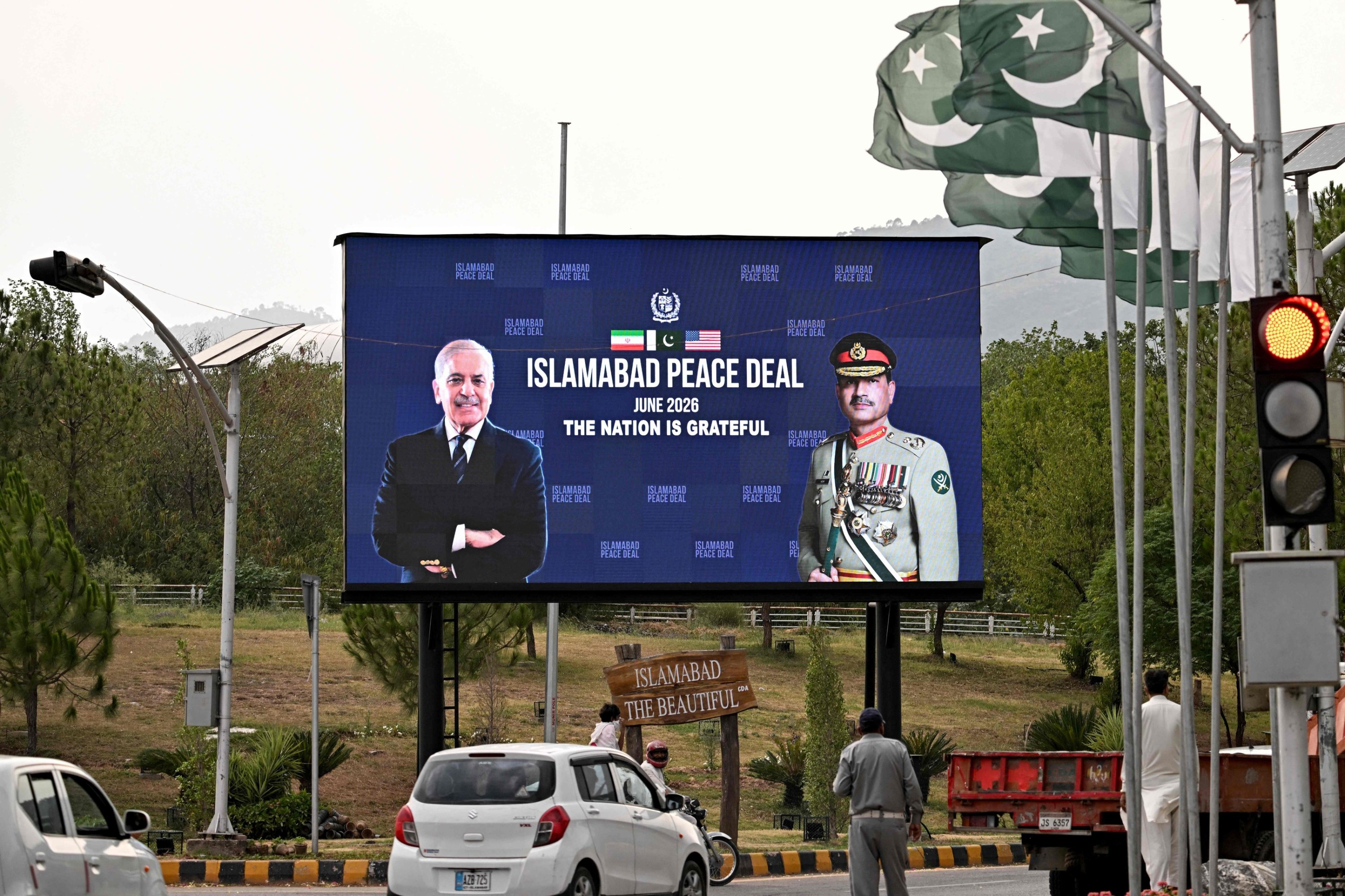
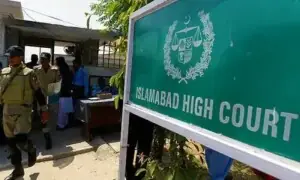
Dawn leads with PM Shehbaz Sharif announcing the deal takes 'immediate effect' after both sides signed electronically, positioning Pakistan as the diplomatic venue that hosted the MOU and crediting Field Marshal Munir alongside the PM for peace.
German
Deutsche Welle publishes the full 14-point text and frames the deal as an endurance test — an interim 60-day ceasefire setting out Hormuz provisions — emphasising institutional sustainability rather than declaring winners or losers.
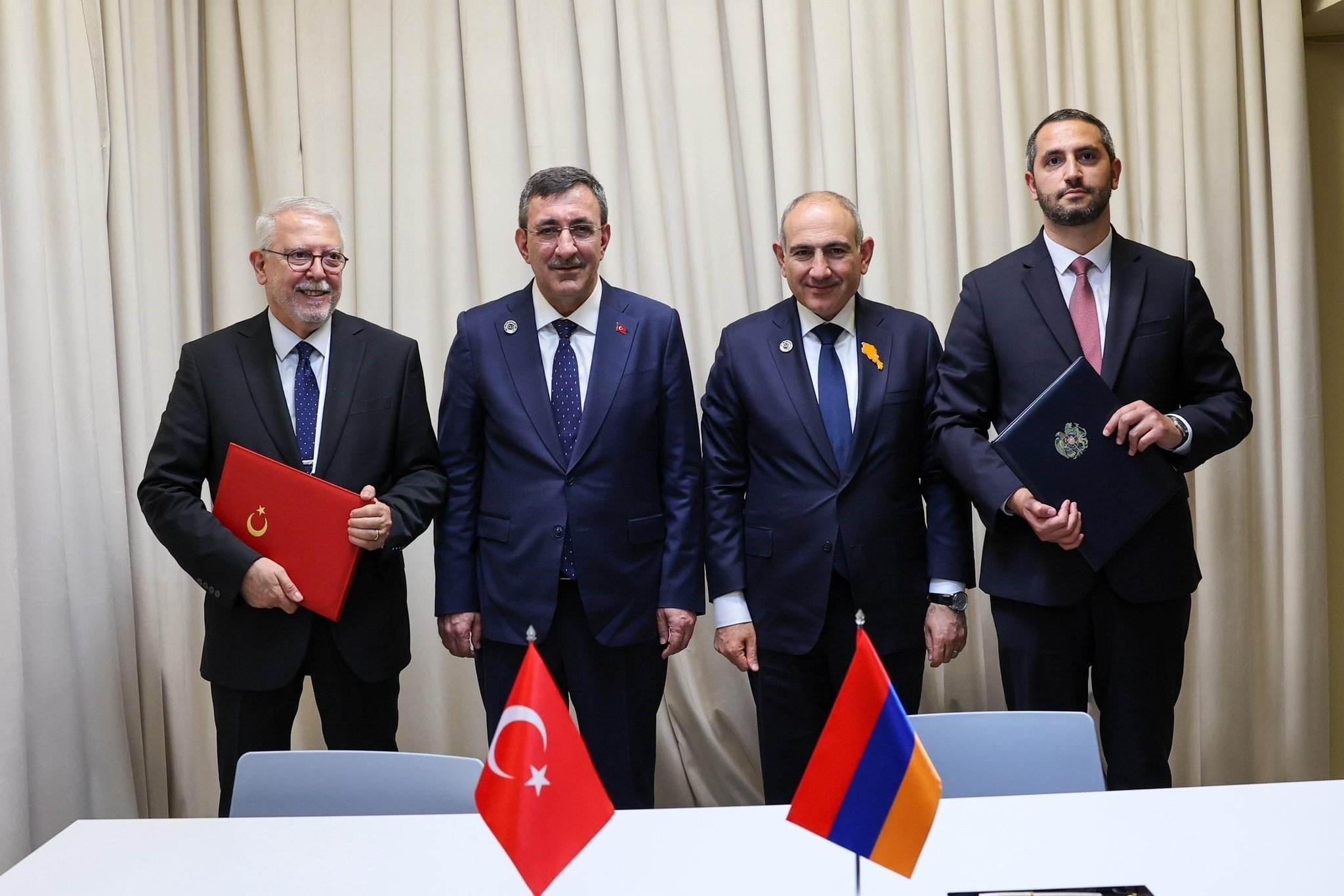
Turkish
Daily Sabah frames the agreement as leaving Israel in a geopolitical 'dead end' with a shrinking range of options, and separately notes that a Türkiye-Qatar-Pakistan axis spooks Israeli ministers, positioning Ankara as a regional power benefiting from the new order.
Israeli
Times of Israel carries multiple pieces describing the deal as a 'catastrophic capitulation' to Iran that leaves Israel 'vulnerable and constrained,' with White House talking points said to 'often not meet reality,' reflecting existential alarm in Israeli commentary.
Emirati
The National frames the deal as bringing hope for Gulf business owners and regional autonomy, reporting UAE business confidence rising and Lebanese peace talks as independent of the US-Iran agreement — a regionally optimistic framing.
Japanese
Yahoo Japan runs multiple pieces noting Trump said the negotiation deadline 'is not absolute' and that the memorandum includes a reconstruction fund concept, framing the deal primarily through the lens of unresolved uncertainty and Japanese energy security exposure.
South Korean
Korea Herald and Straits Times both examine how the deal compares with Obama's JCPOA, finding Trump's agreement far less far-reaching, with Straits Times noting it is 'nowhere near as far-reaching as the earlier one.'
Singaporean
CNA and Straits Times focus on supply-chain and Hormuz shipping implications, with SCMP reporting major shipping companies still cautious about returning to the strait despite the deal, emphasising infrastructure and logistics uncertainty.
Chinese
SCMP frames the deal through structural vulnerability — why it may fail to revive Hormuz shipping — and notes geopolitics is complicating China's green transition, treating the agreement as creating economic opportunity questions rather than geopolitical resolution.
Colombian
El Tiempo reports Trump published a social-media post supporting a Colombian presidential candidate, framing the US-Iran deal and Trump's regional behaviour through the lens of Colombian electoral politics and US institutional decision-making accountability.
Irish
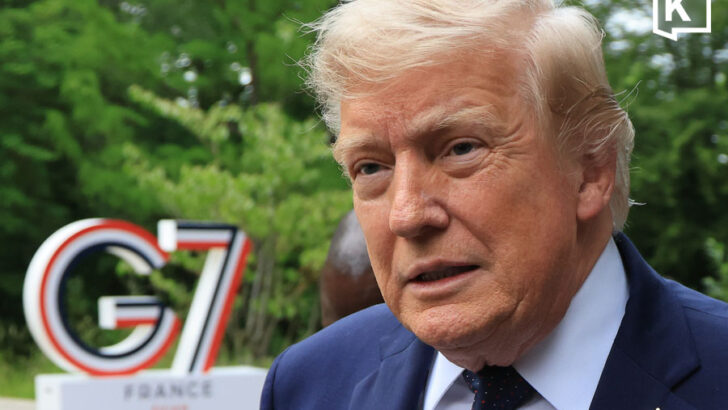
The Irish Times reports Trump signed the Iran peace plan claiming it averts a 'worldwide depression,' focusing on the economic framing Trump deployed at Versailles without interrogating the nuclear details.