Israel and Hezbollah agree ceasefire, US says, as more Lebanon strikes reported
The agreement followed concerns that continued clashes would undermine the deal to end the war between the US and Iran.

A fragile US-Iran ceasefire memorandum is being tested in real time by Israeli strikes on Lebanon that threaten to unravel broader regional de-escalation, with diplomatic talks in Switzerland repeatedly...
BBC News and Le Monde emphasise how continued clashes undermine the US-Iran memorandum, framing the ceasefire as fragile institutional scaffolding. The Hindu reports the same diplomatic delays but treats them as tactical consequences rather than strategic betrayals. Daily Sabah explicitly warns that Netanyahu's actions risk proving "costly for both the US and Israel," adding evaluative weight absent from Reuters-style reporting.
TASS coverage remains minimal, prioritising sports and domestic content over the regional crisis. People's Daily similarly avoids framing Israeli actions as problematic, instead treating the situation neutrally. Al Jazeera Arabic foregrounds Vice President Vance's acknowledgement of US-Israel interest divergence, highlighting institutional fracture within the American decision-making apparatus.
Israel-Hezbollah ceasefire follows concerns about undercutting Iran deal
Ceasefire between Israel, Hezbollah pressured by US-Iran memorandum stakes
Israeli strikes on Lebanon despite ceasefire kill five civilians
Netanyahu risks underming Trump's Iran peace strategy with escalation
Hezbollah claims US-Iran peace deal represents major strategic victory
Whether the Israel-Hezbollah ceasefire will hold long enough for the broader US-Iran diplomatic talks in Switzerland to resume and produce a binding agreement remains unconfirmed.
People's Daily and TASS provide no critical institutional analysis of the deal's fragility or the civilian casualties in Lebanon; Al Jazeera Arabic's substantial sports saturation means its geopolitical coverage of this story is subordinated to entertainment framing.
BBC focuses on institutional decision-making by Netanyahu and its potential to undermine the US-Iran agreement, carefully distinguishing verified ceasefire facts from claims, while questioning what the war was for.
Le Monde frames the Lebanon truce as precarious and dependent on US and Iranian pressure, treating the ceasefire as an elite diplomatic achievement under severe stress.
Times of Israel reports on US intelligence warnings that Netanyahu's Lebanon actions undermine the deal, and polls showing 65% of Americans disapprove of Trump's Iran policy, with only 34% backing his Israel approach.
The Hindu provides live conflict updates and reports the US-Iran talks were called off due to Lebanon fighting, framing events through a non-aligned lens without endorsing any party.
Folha de S.Paulo emphasises civilian consequence — 47 killed in Lebanon — and the economic damage to Iran's war-torn economy, integrating humanistic framing with structural critique.
Straits Times reports Israelis near the Lebanese border have not abandoned Trump despite the Iran deal, and notes US intel expects Israel to continue strikes.
Deutsche Welle frames Hezbollah's claim of 'victory' in the deal as a question mark for Lebanon's future, and analyses how months of war have fundamentally altered Iran-Gulf state ties.
Daily Sabah positions Israel's Iran gamble as costly for both the US and Israel, framing it as a case study in the limits of great-power strength.
The National frames the Strait of Hormuz situation through regional autonomy and long-term Gulf strategic interest, noting business will never be the same even as shipping resumes.
Yahoo Japan covers the postponement of Switzerland talks and the fragility of the memorandum, while Japan Times analyses the IRGC's business empire as a beneficiary if sanctions are lifted.
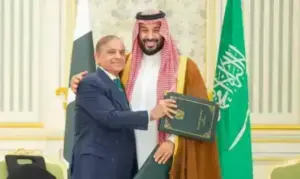
Dawn reports PM Shehbaz's call with Saudi Crown Prince stressing the peace process must not be undermined, and notes a Pakistani delegation will attend Khamenei's funeral.
Gazeta.uz presents Uzbekistan's welcoming of the US-Iran memorandum as a developmental diplomatic achievement, framing it as unambiguously positive without critical institutional analysis.
La Repubblica describes the Strait of Hormuz as uncertain despite relief at the US-Iran agreement, framing the strait as a symbol of globalisation hampered by war, and reports an Iranian reformist calling it a 'moral victory' requiring domestic reforms.
SCMP frames the diplomatic situation as returning diplomacy to 'square one' after two wars, analysing Iran's assertion of Hormuz control and the fee waiver during the 60-day negotiation window.
This page maps the coverage. The 48 articles below are the original reports the comparison is drawn from — open them for each publisher's full reporting.
The agreement followed concerns that continued clashes would undermine the deal to end the war between the US and Iran.
A ceasefire has been in effect since Friday afternoon, as the escalation of hostilities jeopardized the memorandum of understanding between Washington and Tehran, but the Jewish state does not intend to withdraw from the south of...
Talks between the U.S. and Iran were called off on June 19 after intense fighting between Israel and Hezbollah in southern Lebanon
Word of the ceasefire came from two regional officials and a U.S. official.

The truce that began at 4 p.m. local time (1300 GMT) was brokered by U.S.

Israel and Hezbollah have agreed to a new cease-fire after a sharp escalation in cross-border fighting threatened to derail diplomatic efforts to end the conflict and raised fears...
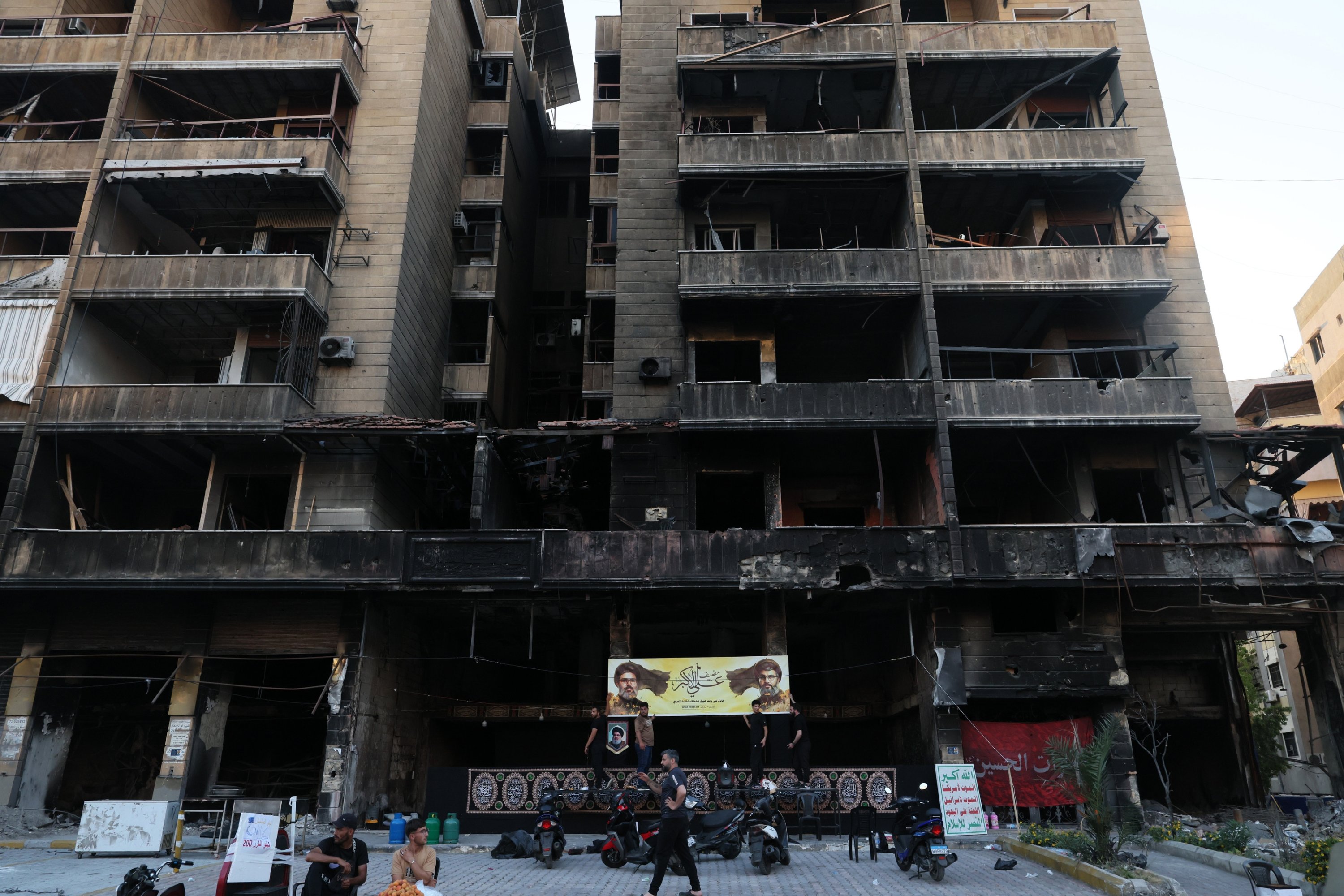
U.S. intelligence officials have warned President Donald Trump's administration that actions by Israeli Prime Minister Benjamin Netanyahu could complicate ongoing efforts to s...

Lebanon's Hezbollah group has claimed that the US-Iran peace deal is a "great victory." The group, which is opposed to Israel, has certainly been bolstered by the deal. But what has Hezbollah really won?
The US and Iran have signed an interim agreement to end their war – but with threats already on the table, questions remain. What would you like our newsroom to unpack?
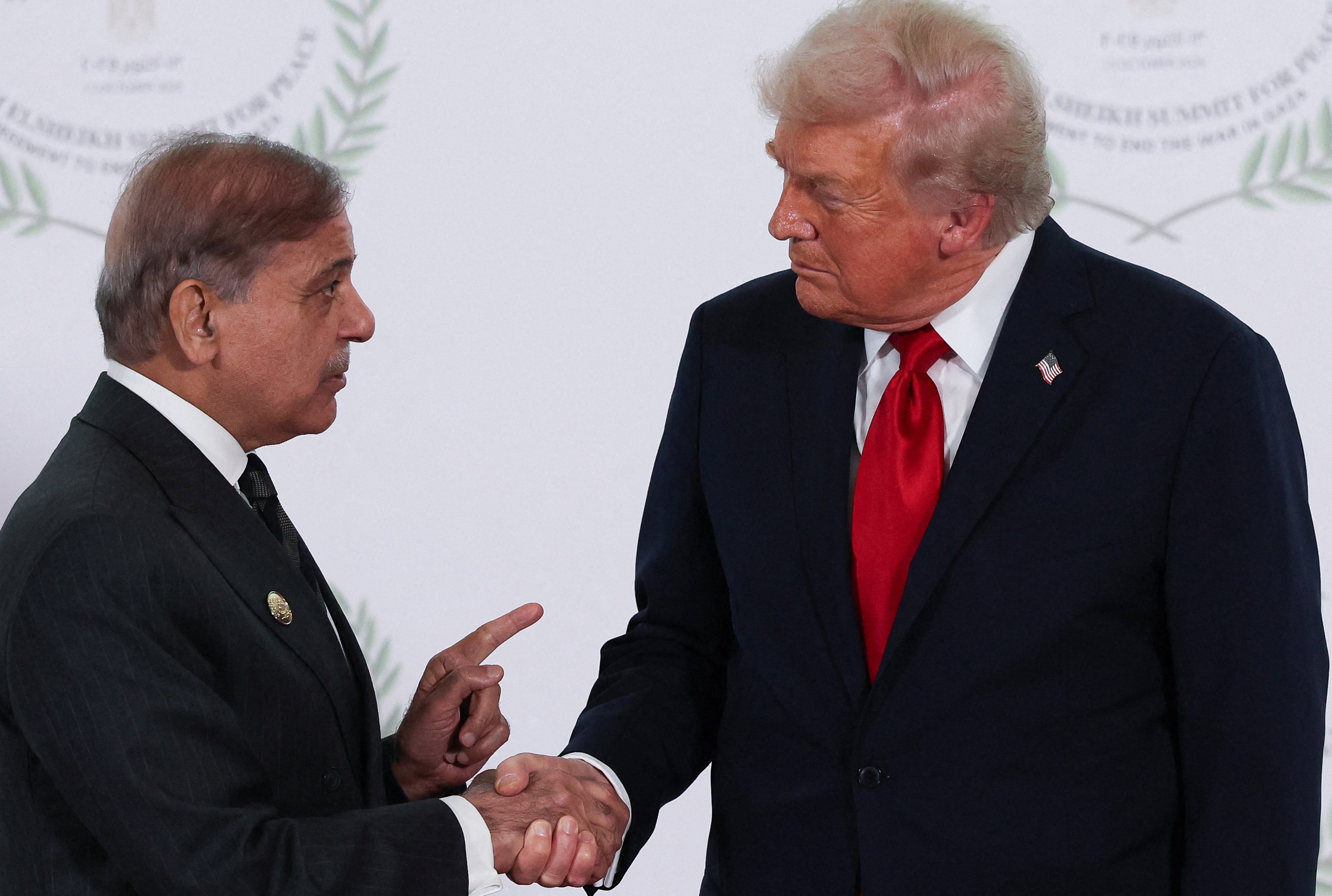
Israel and Hezbollah agreed to a ceasefire in Lebanon on Friday after escalating fighting cast doubt over U.S.-Iran talks.
The Iran war discussions are a high-risk scenario for all sides in the conflict, the broader Middle East, and for Vance's political ambitions.
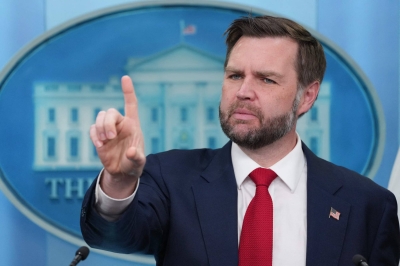
US envoy Steve Witkoff and Iranian Foreign Minister Abbas Araqchi were both headed to Switzerland for talks, Axios said on Friday, as a ceasefire in Lebanon appeared to revive efforts to turn an interim Iran war pact…


US intel reportedly says Netanyahu’s actions in Lebanon expected to undermine Iran deal The Times of Israel
Source to CNN: US relayed to Iran Israel won't escalate Lebanon strikes, but 'it's up to Hezbollah to stop' The Times of Israel
DUBAI, June 20 - At least five people were killed in Israeli air strikes and drone attacks in southern Lebanon on Saturday, Lebanese state media reported, just hours after a ceasefire between Israel and the Iran-backed…
US envoy Steve Witkoff and Iranian Foreign Minister Abbas Araghchi will hold the talks.
The US-Iran ceasefire deal is deeply unpopular in Israel.
Iran's supreme leader says he disagrees with the deal and Donald Trump signed it "out of desperation".

While the human cost is clear, the Iranian regime has not just survived the war, it has been empowered.

BBC analysts assess the claims by both Washington and Tehran to have won a victory with the deal to end their war.

The White House announced overnight that American Vice President J.D.
Initial US-Iran talks still set to be held in Switzerland tomorrow after deal signed yesterday The Times of Israel
Iran says deal with US ensures Lebanon’s sovereignty, Israeli attacks would violate terms The Times of Israel
Trump’s unfiltered commentary on Lebanon is leaving Israel with an impossible choice The Times of Israel
New attacks between Israeli forces and the extremist group Hezbollah, this Friday (19), put at risk the provisional agreement signed between the United States and Iran to stop the war in the Middle East. Read more…
The President of the United States, Donald Trump, refuted this Friday (19) statements by Iran's supreme leader that he had acted in desperation when signing an agreement to end the conflict in the Middle East and stated...
Every great power possesses strength, but every strength has its limits. During the Cold War, when discussing the power of the U.S.

Uzbekistan welcomed the signing of a memorandum of understanding between the United States and Iran, calling it a “significant diplomatic breakthrough” toward restoring regional security.…
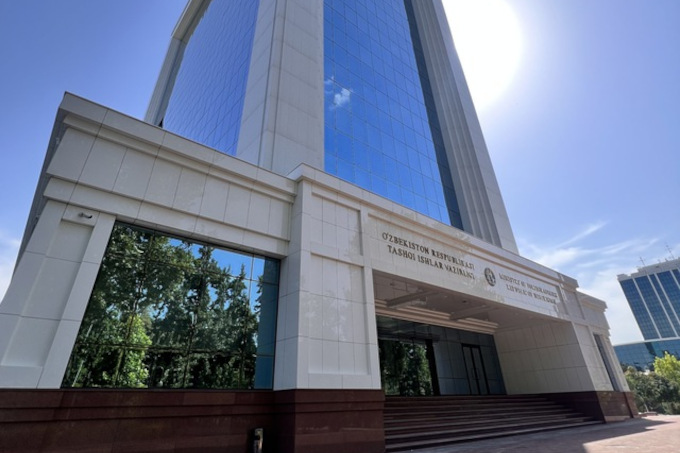
As the two sides eye a deal to end the war that could unlock billions of dollars for Iran, the elite Revolutionary Guard is poised to be one of the biggest beneficiaries.
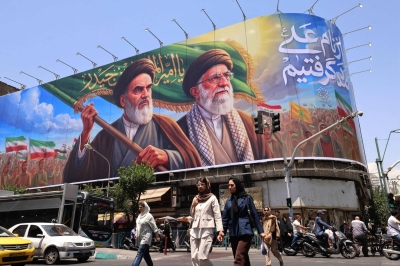
Trump responds to Khamenei: "They signed because they were the desperate ones, not us." And threatens to block the money
Interview with Mohammad Ali Abtahi, deputy of President Khatami. “We managed to obtain an agreement that takes us forward a lot from an economic and social point of view”
Four Israeli soldiers killed, followed by raids against Hezbollah in the south. Mediation by the USA and Qatar, but Ben-Gvir: "Burn the whole country"
The American president after the ceasefire between Tel Aviv and Hezbollah: "Bibi is a warrior, but we have a great relationship"
In the symbolic place of globalization hampered by war, the relief for the US-Iran agreement has given way to uncertainty. Trump wrote that “oil flows” here.
Iran’s Strait of Hormuz body said on Friday it would waive planned fees to use the strait during a 60-day negotiation period under the memorandum of understanding signed with the United States this week. Ships…

After two wars in the space of a year, diplomacy over Iran’s nuclear programme has come back to much the same place it was before the fighting began. The memorandum of understanding signed by US President Donald Trump…

Israel and Hezbollah agreed a ceasefire on Friday, a US official said, after deadly exchanges between the two sides in Lebanon put a deal to end the Middle East war under strain less than two days after it was signed.…

Iran sought to assert control over Strait of Hormuz by saying that ships need its permission and mandatory insurance to cross, even as the US said that 20 ships sailed through overnight via a route it recommends along…


AXSMarine said that on June 18 it observed “25 verified commercial vessel crossings through the Strait of Hormuz – the highest single-day count since April 18 and more than five times the average daily level recorded…

Prime Minister Shehbaz Sharif, following a phone conversation with Saudi Crown Prince Mohammad bin Salman, said the two leaders agreed that the next phase of Iran-US negotiations must be “guided by a firm commitment to…