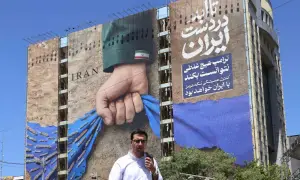
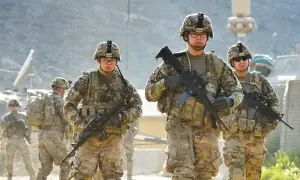
British
BBC frames the pause as a window for diplomacy while underscoring uncertainty, noting Trump says talks are 'good' while Iran publicly denies any direct dialogue is underway.
Indian
The Hindu frames the ceasefire as a conundrum for Trump, emphasising the gap between stated diplomatic optimism and Iran's public denial of talks, without aligning with either Washington or Tehran.
Turkish
Daily Sabah frames US public support collapsing as an institutional accountability failure, noting only one-in-three Americans backs the war and questioning decision-maker credibility.
German
Deutsche Welle emphasises endurance framing—whether Iran war tensions can be sustained economically—positioning the ceasefire as an energy infrastructure relief rather than a military triumph.
Qatari
Al Jazeera Arabic frames Trump's bombing pause through the lens of diminishing military targets and mediator movement, asking why Trump stopped rather than crediting diplomacy.
Brazilian
Folha de S.Paulo highlights Iran's public rejection of negotiations alongside Trump's suspension of strikes, emphasising the gap between US and Iranian public narratives.
Emirati
The National focuses on Gulf-region consequences—Saudi drone intercepts, Lebanon oil routes, and Iraq probe—framing the ceasefire as a regional collective security moment rather than a bilateral US-Iran matter.
Israeli
Times of Israel frames the ceasefire through Israeli security stakes, reporting Iran threatened to expand war if strikes resume and that Israel is allegedly pushing the US to continue attacks.
Irish
Irish Times reports Oman presented Iran with a plan for regional management of the Strait of Hormuz under which Iran would not exercise sole control, framing diplomacy through multilateral institutional mechanism.
Japanese
Yahoo Japan provides brief factual updates on Trump's threat to attack Iran again if talks break down, foregrounding energy price and oil supply implications for Japan.
Singaporean
Straits Times focuses on Hormuz Strait diplomatic signals—Iran's calls with Oman and Saudi Arabia and a proposed regional management mechanism—analysed through shipping route vulnerability.
Pakistani
Dawn's editorial frames the lull as a precarious pause rather than peace, warning the ceasefire could collapse and noting over 600 US troops have been wounded since the war began.
Colombian
El Tiempo frames the ceasefire as a US institutional decision-making accountability story, positioning Trump's order to halt attacks as an executive responsibility subject to civic scrutiny.
South African
Daily Maverick reports Trump says US and Tehran are having 'good talks' while drones continue hitting Iran's neighbours, framing this as a concealment-exposure tension between diplomatic messaging and ground reality.