British
BBC emphasises the mutual accusations of ceasefire violation, documenting both US strikes on ten Iranian targets and Iran's retaliatory drone attacks on Kuwait and Bahrain, maintaining careful distinction between claims and verified facts.
French
Le Monde foregrounds expert institutional interpretation, noting US strikes on Iranian strategic infrastructure while raising fears of new regional escalation, analysed through elite decision-making competence lens.
Indian
The Hindu maintains strategic autonomy framing, covering Trump's warnings and US strikes on multiple targets while separately positioning Pakistan as a 'peacemaker' having brokered the original deal.
Qatari
Al Jazeera Arabic covers Kuwait's air defence response to missile attacks and Bahrain sirens, centering Gulf civilian and state vulnerability rather than US or Iranian strategic framing.
German
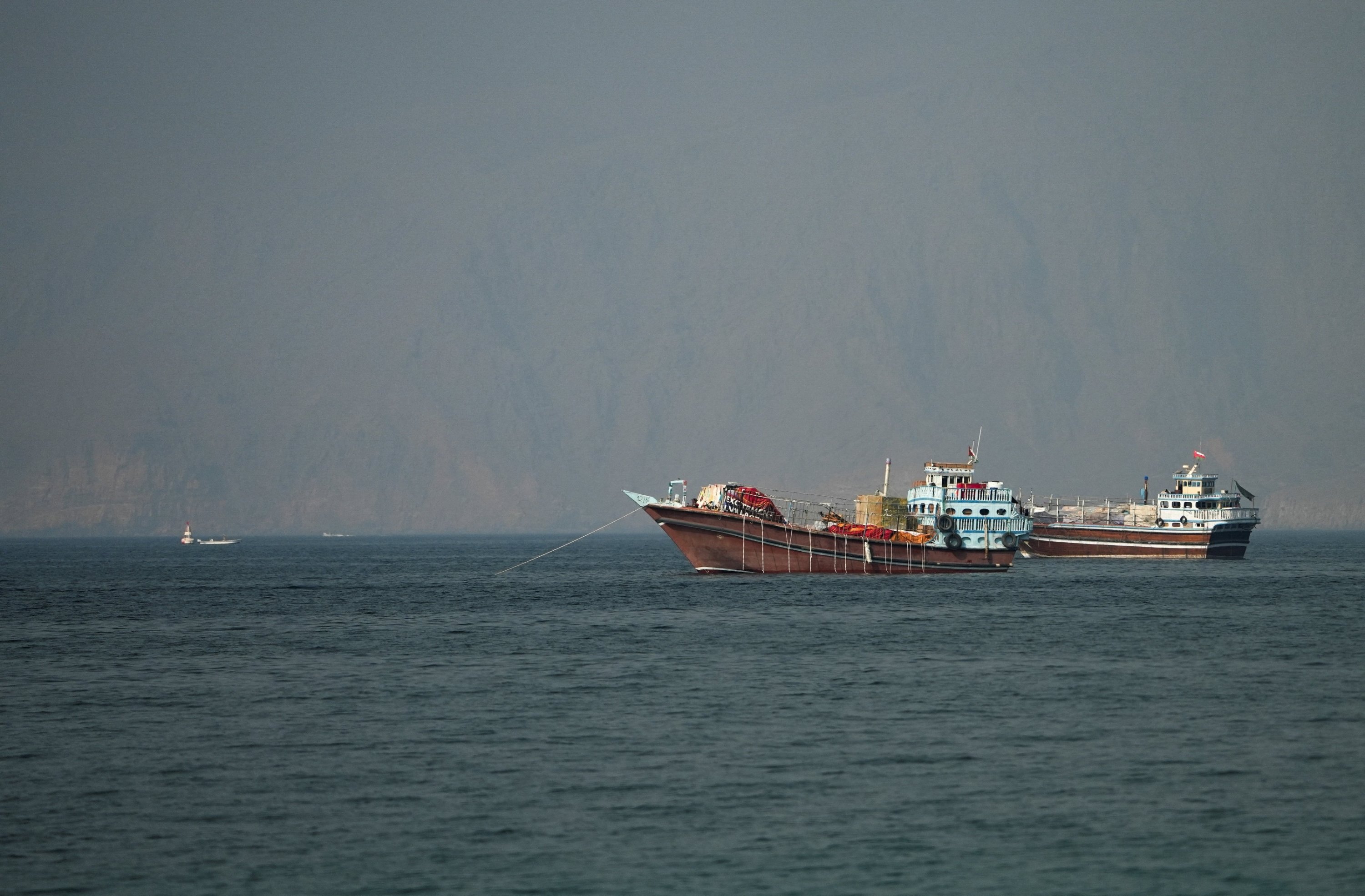
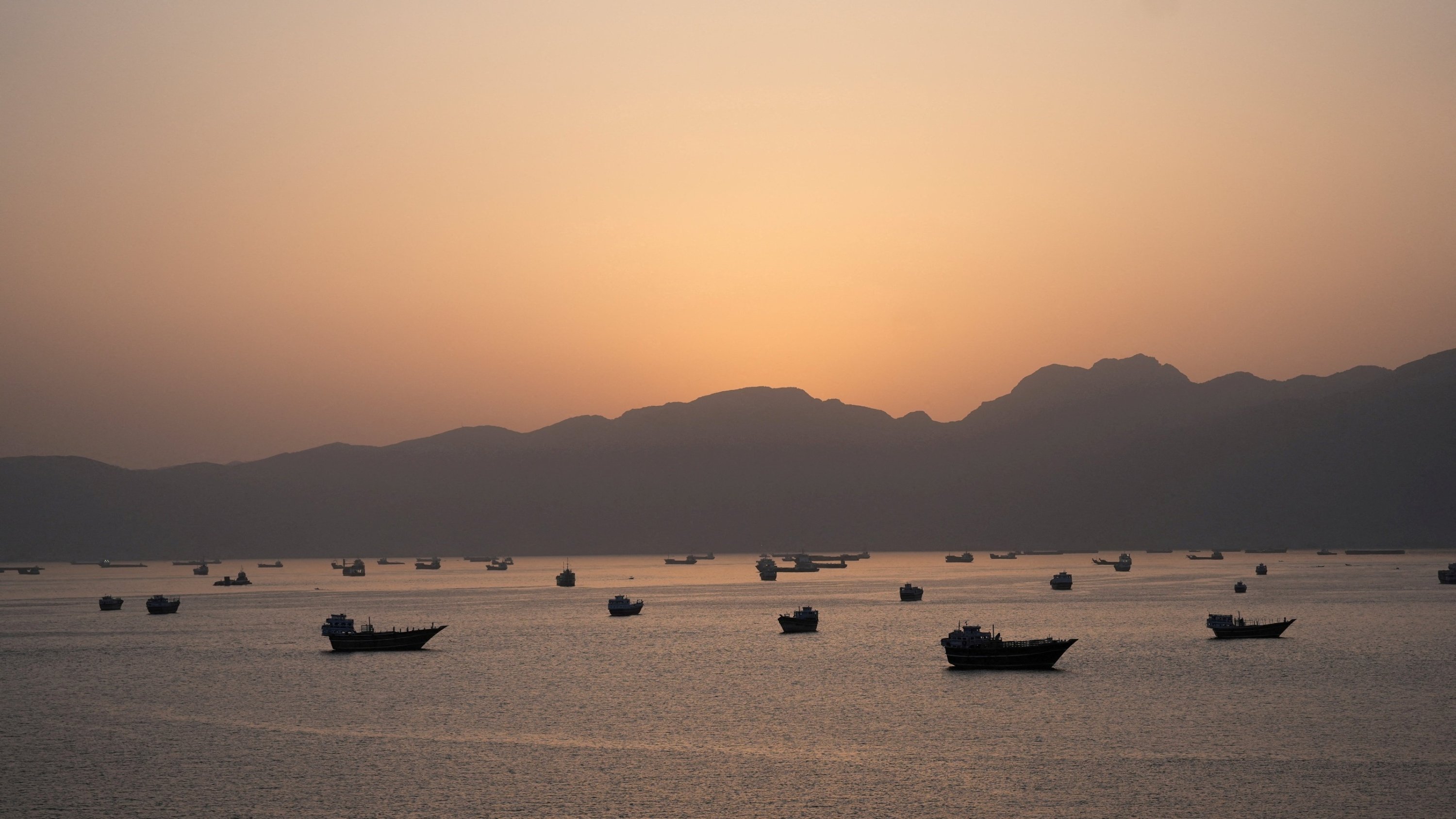
Deutsche Welle frames the US strikes through institutional sustainability and energy infrastructure shock, emphasising endurance framing and Germany's economic exposure to Hormuz disruption.
Turkish
Daily Sabah foregrounds Turkish diplomatic agency, with FM Fidan warning against Israeli provocations derailing US-Iran diplomacy and Trump condemning Hormuz drone attacks as ceasefire violations.
Israeli
Times of Israel reports Iranian officials vowing 'swift and decisive' response to alleged US violations, and separately covers US consideration of relocating Gulf bases damaged by Iran to Israel.
Emirati
The National centres Gulf state vulnerability, reporting Bahrain and Kuwait targeted after US bombs Iran, framing regional security through collective autonomy rather than US or Iranian perspectives.
Japanese
Yahoo Japan covers the airstrikes and Iran's denunciation of the deal as a memorandum violation, with earlier reporting on Hormuz shipping attacks framing events through energy security and sea-lane disruption.
Singaporean
Straits Times and CNA both foreground the mutual accusations of peace deal violation, with the Straits Times noting Arab Gulf states' growing unease over Hormuz's future status as US-Iran talks drag on.
Chinese
SCMP analyses whether Iran can survive the aftermath of three months of war with the US and Israel, framing the ceasefire strain through structural institutional vulnerability and economic collapse risk.
Italian
La Repubblica reports drones and missiles over the Gulf while noting US-Iran negotiations continue, with an analyst describing the truces as fragile and undermined by hawks on both sides.
Pakistani
Dawn's editorial frames the exchange as a reminder that ceasefires require more than signatures, with PM Shehbaz Sharif separately credited for Pakistan's role as peacemaker in brokering the original deal.
Colombian
El Tiempo covers the escalation and Iranian Revolutionary Guards announcing attacks on US targets despite the truce, framing through fears of war growing in the region.