How the world covered it

US-Iran Nuclear Deal Talks

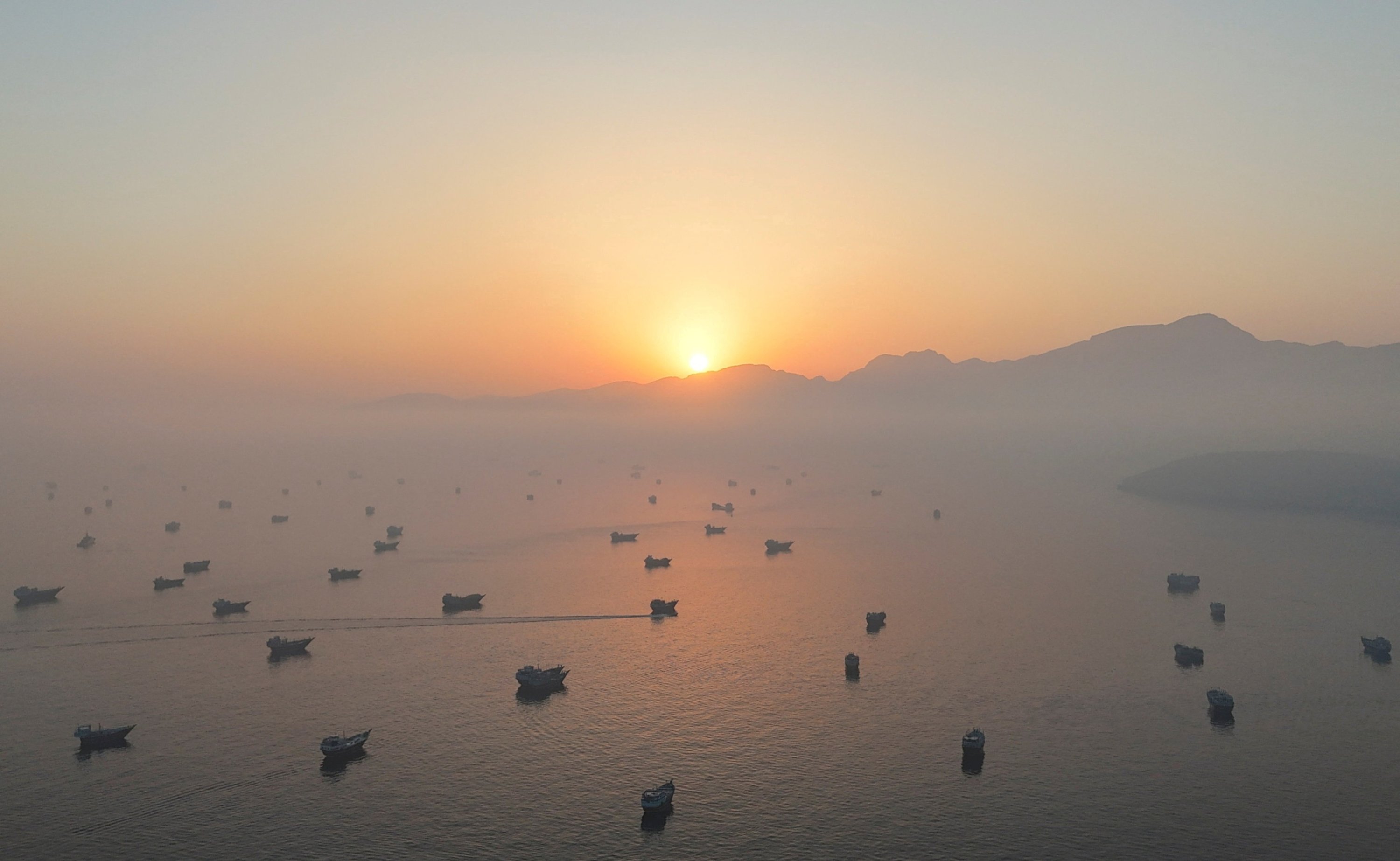
Contradictory US and Iranian statements about whether negotiations are even occurring leave the world uncertain whether a deal to reopen the Strait of Hormuz—critical to global energy supply—will materialise...

Editorial comparison

Trump claims talks are underway while Iran denies negotiations exist, creating an unresolved factual contradiction over whether nuclear diplomacy is occurring.

The Hindu reports Iran's Foreign Ministry explicitly denied that negotiations with Washington were taking place, while simultaneously covering Trump's insistence that talks were underway and his framing of negotiations as Iran's 'last chance' to avoid escalation. This creates a direct factual contradiction neither side has resolved.

Daily Sabah frames the situation as requiring regional accountability and collective stability-building, reporting statements from Egypt, Saudi Arabia, and Iran's own leadership positioning themselves as seeking de-escalation. Daily Sabah also covers Trump's accusation that Iran is sending 'mixed signals' about diplomacy while privately seeking deals, inverting the narrative of who is being duplicitous.

How each outlet opened the story
The Hindu India

Trump says talks underway; Iran denies negotiations occurring

Daily Sabah Turkey

Regional powers call for diplomatic resolution of US-Iran tension

Coverage map

What coverage agrees on, contests, or leaves unclear.

Broadly agreed
  • All covering sources confirm the US and Iran are issuing contradictory public statements about whether negotiations are taking place.
  • All sources confirm Trump has threatened further military escalation including 'decapitation' if Iran does not reach a deal.
  • All covering sources confirm Strait of Hormuz shipping remains severely disrupted, with transit at minimal levels.
Contested framing
  • The Hindu and Irish Times report Iran denied talks; CNN and Yahoo Japan report Trump insisted talks were underway — a direct factual contradiction neither side has resolved.
  • Times of Israel frames the situation as an Israeli-US rift over being left in the dark; Daily Sabah frames it as a collective regional institutional failure requiring accountability.
  • Straits Times argues a deal would give Iran strategic leverage; Daily Maverick and CNN frame it primarily as a Trump political calculation, not a strategic gift to Iran.
Still unclear

Whether any back-channel negotiations are actually occurring between US and Iranian officials, and what concrete terms either side has proposed, remains publicly unverified.

Notable omissions

People's Daily provides no coverage of the Iran-US confrontation, consistent with its pattern of avoiding geopolitical crises that implicate US-China energy competition dynamics; TASS similarly omits the US-Iran standoff entirely.

Regional framing

How different outlets describe the same story.

Indian

The Hindu reports both Trump's 'last chance' ultimatum and Iran's flat denial of talks, framing the standoff through strategic ambiguity analysis without Western alignment bias.

Turkish

Daily Sabah frames the Hormuz standoff as an institutional violence failure requiring accountability mechanisms, warning the pause should not be mistaken for stability.

Israeli

Times of Israel reports Israeli officials were left in the dark on the nixed Iran attack and do not know Trump's endgame, emphasising the bilateral rift.

Irish

Irish Times notes Iran has time on its side and that Trump's incentive to compromise is strongest now before US midterms shift his calculus.

Emirati

The National frames the Iran war as fuelling commodity rallies and threatening Gulf aviation, with Emirates and Etihad extending flight cancellations.

Japanese

Yahoo Japan reports Trump's shifting Iran statements repeatedly, emphasising the unpredictability; Japan Times focuses on crude oil supply vulnerability and energy security implications.

Singaporean

Straits Times analyzes the shipping route vulnerability and notes a Hormuz deal would give Iran strategic leverage it lacked before the war.

Colombian

El Tiempo frames Trump's Iran ultimatum through US institutional decision-making accountability, highlighting the Pentagon's search for 'unconventional' military ideas as evidence of limited options.

French

Le Monde covers the cargo ship struck in the Strait of Hormuz and ongoing US-Iran discussions, framing through expert institutional analysis.

South African

Daily Maverick reports Trump's 'decapitation' threat, framing the story through Reuters wire dispatch without deep institutional analysis.

Source trail

Original reporting behind this perspective.

This page maps the coverage. The 29 articles below are the original reports the comparison is drawn from — open them for each publisher's full reporting.

Show 29 source articles

Battle over Strait of Hormuz

The latest pause in the United States-Iran confrontation should not be confused with a return to stability. President Donald Trump’s decision to hold off on another round of strike...

Perspective link copied