Fuel prices didn’t skyrocket before. Here’s why they could shoot up this time
The world is less ready to cope with an oil crunch if the conflict between the US and Iran drags on.
The Strait of Hormuz conflict is creating a structural oil supply shock more severe than previous Gulf crises, with fuel prices rising sharply across multiple countries, the UAE scrambling to build Hormuz...
Deutsche Welle leads with oil and gas producers seeking Strait of Hormuz alternatives while questioning whether Iran supply threat extends beyond the strait, emphasising structural limitations of bypass infrastructure. The National frames UAE strategic resolve to cut Hormuz dependence to "zero" despite geography presenting the quandary of the strait as its economic heart. Dawn reports Pakistan's petroleum minister saying fuel prices will now be fixed daily due to Persian Gulf hostilities, with power companies seeking cost adjustment increases for consumers. Premium Times reports Nigerian desire for cheaper petrol but warns renewed Hormuz battle won't enable price reductions. La Repubblica reports petrol prices above 2 euros with Bank of Italy warning consumption slows. Straits Times emphasises world is less ready to cope with oil crunch if US-Iran conflict drags on.
Fuel prices did not skyrocket before why they could now
Iran oil supply threat extends beyond Strait Hormuz
UAE Hormuz workaround tries bypass trillion-dollar economic heart
Govt to fix fuel prices daily renewed Persian Gulf hostilities
Nigerians want cheaper petrol renewed Hormuz battle won't help
Petrol above 2 euros Bank Italy warning consumption slows
Whether the UAE's Hormuz bypass pipeline has sufficient throughput capacity to prevent a major oil supply shock if the Strait is fully closed, and for how long such a closure could be sustained, has not been definitively established.
No sources in the available set examine the impact of the Hormuz crisis on Asian liquefied natural gas prices or the contractual consequences for long-term supply agreements between Gulf producers and Asian buyers.
Straits Times provides a structural analysis explaining why the world is less ready to cope with an oil crunch if the US-Iran conflict drags on, comparing current market conditions unfavourably to previous Hormuz standoffs in terms of spare capacity and reserve buffers.
Deutsche Welle examines whether Iran's oil supply threat extends beyond the Strait of Hormuz to pipeline and overland alternatives, finding that Gulf producers seeking to bypass the strait face significant infrastructure limitations.
Dawn reports Pakistan's petroleum minister announcing daily fuel price fixing due to renewed Persian Gulf hostilities causing oil price volatility, framing the conflict's consequences through direct domestic economic consequence for citizens.
Premium Times reports Nigerians clamour for petrol prices to return to pre-war levels, but that renewed Hormuz fighting will prevent any drop, framing the international conflict through its domestic economic consequence for ordinary Nigerians.
La Repubblica reports petrol above 2 euros per litre with the Bank of Italy warning consumption is slowing down, calculating that the past two weeks have added €8 to a diesel fill-up and €6 to a petrol fill-up.
This page maps the coverage. The 8 articles below are the original reports the comparison is drawn from — open them for each publisher's full reporting.
The world is less ready to cope with an oil crunch if the conflict between the US and Iran drags on.
Oil and gas producers in the Gulf are seeking alternatives to the Strait of Hormuz as traffic again comes under fire. But is Iran also turning its attention to the pipelines meant to bypass the waterway?
Geography has handed the United Arab Emirates quite the quandary: its government wants to cut dependence on the Strait of Hormuz to “zero”, yet the ports that power its economy sit squarely inside the waterway it hopes…

Petroleum Minister Ali Pervaiz Malik on Friday said that fuel prices would now be fixed on a daily basis due to fluctuations in international market prices following renewed hostilities between Iran and the US. The…

ISLAMABAD: Power companies on Friday sought a Rs1.20 per unit increase in fuel cost charges for consumers across the country in August, primarily due to the use of expensive imported fuels. The request comes despite…
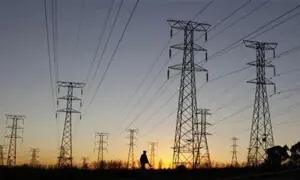
Many Nigerians clamoured that petrol prices should return to the pre-war level. The post Nigerians want cheaper petrol, but renewed Hormuz battle won’t make that happen appeared first on Premium Times Nigeria .
For Unc consumers in the last two weeks the cost of a full tank has risen by 8 euros for diesel and by almost 6 for green fuel
The world is less ready to cope with an oil crunch if the conflict between the US and Iran drags on.