Strait of Hormuz will be open but with transit fees: Iran envoy to Moscow
Iran has asserted that a permanent peace deal should allow it to demand fees for ships passing through the strait.
Iran's assertion of the right to charge transit fees in the Strait of Hormuz — the world's most critical oil chokepoint — alongside OPEC+ production hikes and oil prices above $97 per barrel, threatens global...
Straits Times leads with Iran's envoy assertion that a permanent peace deal should permit transit fees, treating this as a conditional negotiating position tied to broader diplomacy. The outlet's second headline calls OPEC+'s production increase "largely symbolic," suggesting skepticism about market impact despite the geopolitical pressure.
Daily Sabah and Dawn both lead with OPEC+ announcing its fourth straight oil output hike since Hormuz closure, framing the supply response as institutional acknowledgment of disruption risk. TASS reports Brent crude price movements ($97.54) and Japan's conditional navy deployment readiness without analyzing the fee-demand dimension. The National frames oil price surges (over $97) as driven by the Iran war itself, conflating the Hormuz fee question with broader conflict impacts.
Strait will remain open but with transit fees, Iran envoy says
OPEC+ agrees fourth straight oil output hike since Hormuz closure
OPEC+ approves fourth oil output quota hike since Hormuz closure
Brent oil price rose more than 5% to $97.54
Tokyo ready to send navy to Hormuz after truce reached
Oil prices soar over Iran war as stocks fall on AI bubble
Whether Iran's transit fee demand is a formal negotiating position or a rhetorical signal to Moscow and Washington has not been independently confirmed by non-state sources.
Chinese and Indian outlets with significant energy import exposure to Hormuz disruption are largely absent from this specific framing, despite their structural vulnerability.
Straits Times reports Iran's envoy to Moscow stating the strait will remain open but with transit fees under a permanent peace deal, framing it as an Iranian institutional leverage play.
Dawn reports OPEC+'s fourth consecutive output hike since Hormuz closure, framing it as a supply management response to the Iran war's market disruption.
Daily Sabah frames the OPEC+ hike as driven by Hormuz closure dynamics, positioning energy security as an institutional decision-making interrogation.
TASS reports Brent above $97 per barrel and gold falling below $4,300, using commodity price movements as a market narrative without geopolitical critique.
The National frames the Gulf crisis and rising energy prices as reshaping the energy debate, positioning Gulf states as strategic actors in collective energy governance.
This page maps the coverage. The 7 articles below are the original reports the comparison is drawn from — open them for each publisher's full reporting.
Iran has asserted that a permanent peace deal should allow it to demand fees for ships passing through the strait.
OPEC+ agreed on Sunday a fourth straight hike in its oil output targets in as many months, the organization said in a statement, even though the ongoing conflict in the Middle E...
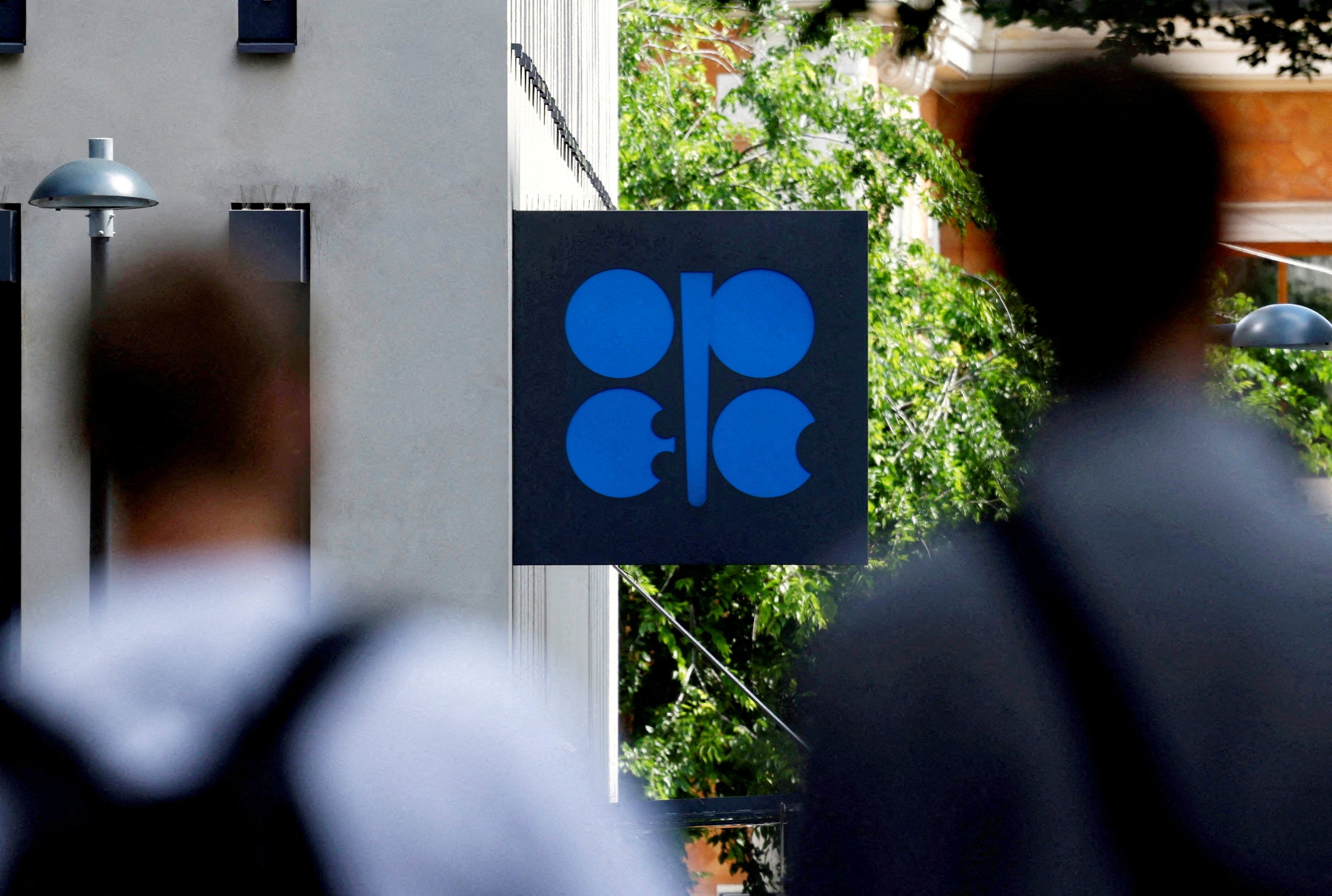
Opec+ agreed on Sunday on a fourth increase in its oil output targets in as many months, even though the US war with Iran is still preventing several of the group’s members from pumping more. The war has cut oil flows…

The cartel's move to increase output by 188,000 barrels a day is largely symbolic.
By 08:43 Moscow time, the price of Brent was at $97.54 per barrel
According to the agency, the position also assumes the deployment of the country's navy only if the threat of renewed hostilities in the Strait of Hormuz zone is significantly reduced.
