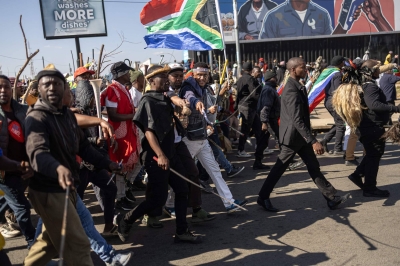
South African leader warns anti-migrant protesters ahead of unofficial deadline
Thousands of people from other African countries have left South Africa ahead of Tuesday's deadline set by anti-migrant groups.

With anti-migrant groups setting June 30 as an unofficial deadline for undocumented migrants to leave South Africa, tens of thousands have fled or been displaced, raising the prospect of mass xenophobic...
Daily Maverick explicitly calls for health workers and communities to resist the June 30 deadline as an act of civic defiance, treating the ultimatum as a political challenge to state authority rather than an administrative deadline. The outlet also connects the crisis to systemic decline of the migrant labour system—framing it as rooted in governance architecture. BBC News and Deutsche Welle, by contrast, frame the story primarily through public order and government response: BBC reports the leader warning protesters, Deutsche Welle describes South Africa bracing for planned protests.
Daily Maverick's headlines use terms like "terror and tears" and "xenophobic unrest," applying prescriptive language about what "must" happen institutionally. Other outlets report the deadline as a factual occurrence without normative framing about resistance or civic obligation. Daily Maverick engages the historical context of labour migration systems; BBC and Deutsche Welle treat the deadline as a discrete security event.
South African leader warns anti-migrant protesters before Tuesday deadline
South Africa on edge ahead of anti-migrant protests
Communities resist xenophobia and protect migrants amid government overwhelm
Whether large-scale violence materialised on or after June 30, and how many migrants ultimately left South Africa, is not confirmed in the available summaries.
Nigerian, Kenyan, and other African outlets are largely absent from this story despite its significance for African migrant communities across the continent.
Daily Maverick provides the most intensive coverage, using document analysis to expose the legal implications of employing undocumented workers, profiling communities resisting xenophobia, documenting terror experienced by Malawian migrants, linking the crisis to the decline of the migrant labour system, and issuing urgent calls to health workers to reject the deadline—framing the entire situation as a governance credibility emergency.
Deutsche Welle frames the protests as a rising-tensions story ahead of the deadline, noting the South African government's warnings against violence but stopping short of the structural critique in Daily Maverick.
BBC reports the South African president warning anti-migrant protesters and documenting thousands of Africans leaving the country—foregrounding institutional protocol and the government's response.
Le Monde reports 25,000 people leaving South Africa under pressure from organised groups, framing it through humanistic consequence and the precarious conditions of those displaced.
Japan Times covers the police high alert before protests, treating it as an institutional logistics and security problem without the structural analysis present in South African sources.
This page maps the coverage. The 14 articles below are the original reports the comparison is drawn from — open them for each publisher's full reporting.
Thousands of people from other African countries have left South Africa ahead of Tuesday's deadline set by anti-migrant groups.
Anti-immigrant groups have set June 30 as an unofficial deadline for undocumented migrants to leave, with protests planned across South Africa. Large numbers of security forces have been deployed.
Tensions are rising ahead of planned anti-migrant protests on June 30, as South Africa's government warns against violence. Analysts say deep social and economic crises are fueling unrest and xenophobia.
While the Department of Home Affairs is overwhelmed and anti-migration groups plan mass marches on Tuesday, 30 June, traditional leaders, church groups and local committees are mobilising to protect foreign nationals…

While a law proposing fines of R100,000 does not come into operation tomorrow, 30 June 2026, it remains illegal to employ an undocumented foreigner in South Africa. Here are answers to some frequently asked questions.
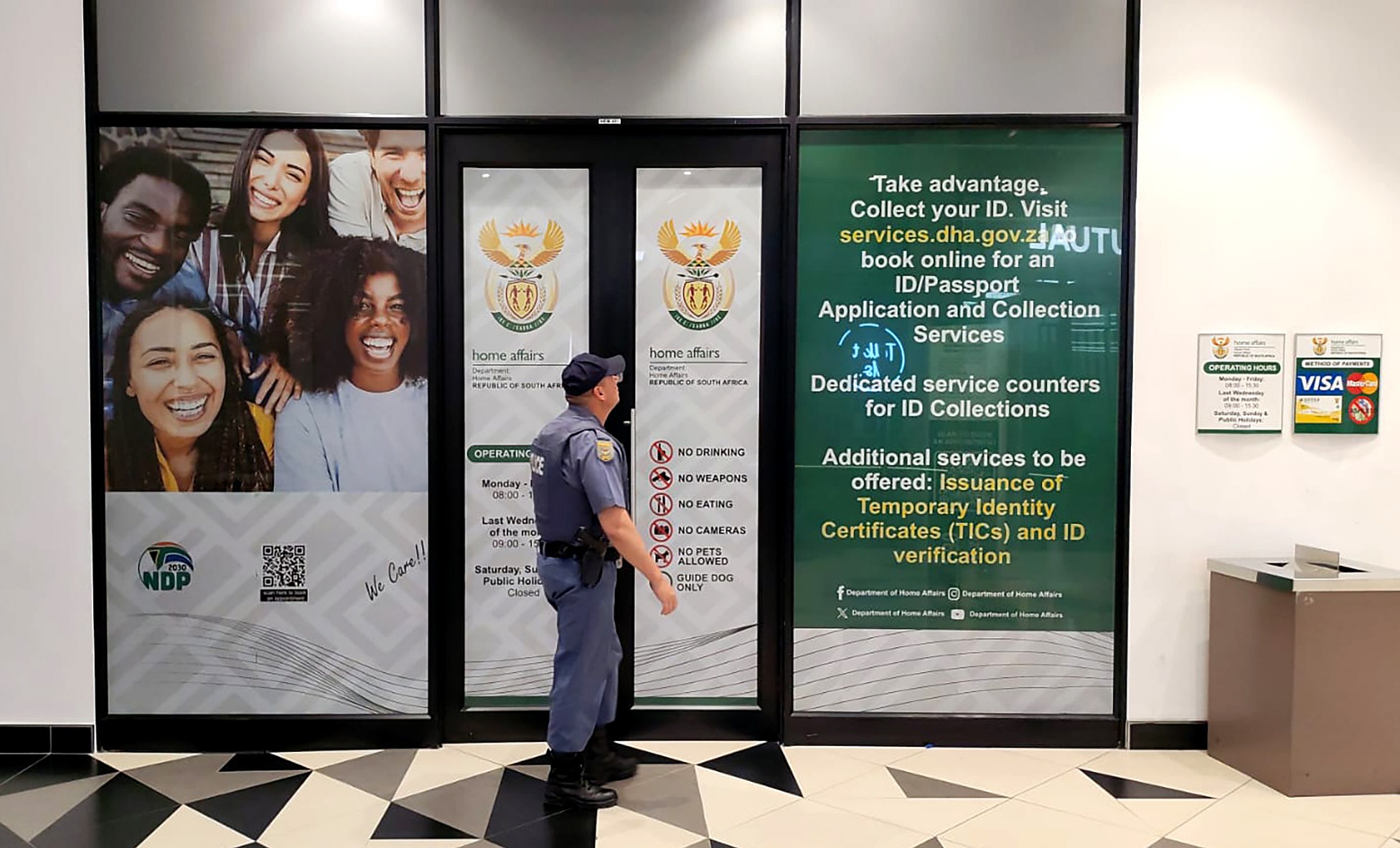
Whatever happens this week, we need as a society to fully understand and act against the forces of hate, division and chaos that simmer beneath the surface of our constitutional democracy.
With fears mounting over March and March’s anti-immigrant deadline, Malawian migrants prepare to depart South Africa, caught in a whirlwind of anxiety and urgent repatriation efforts.

South Africa has a serious immigration management problem that has to be managed so that communities are listened to while the country remains a democratic, humane and lawful society for which many sacrificed.
One consequence of the decline of the migrant labour system has been that workers from such countries – where opportunities are sorely lacking – are still drawn to South Africa, following the spoor of their fathers,…
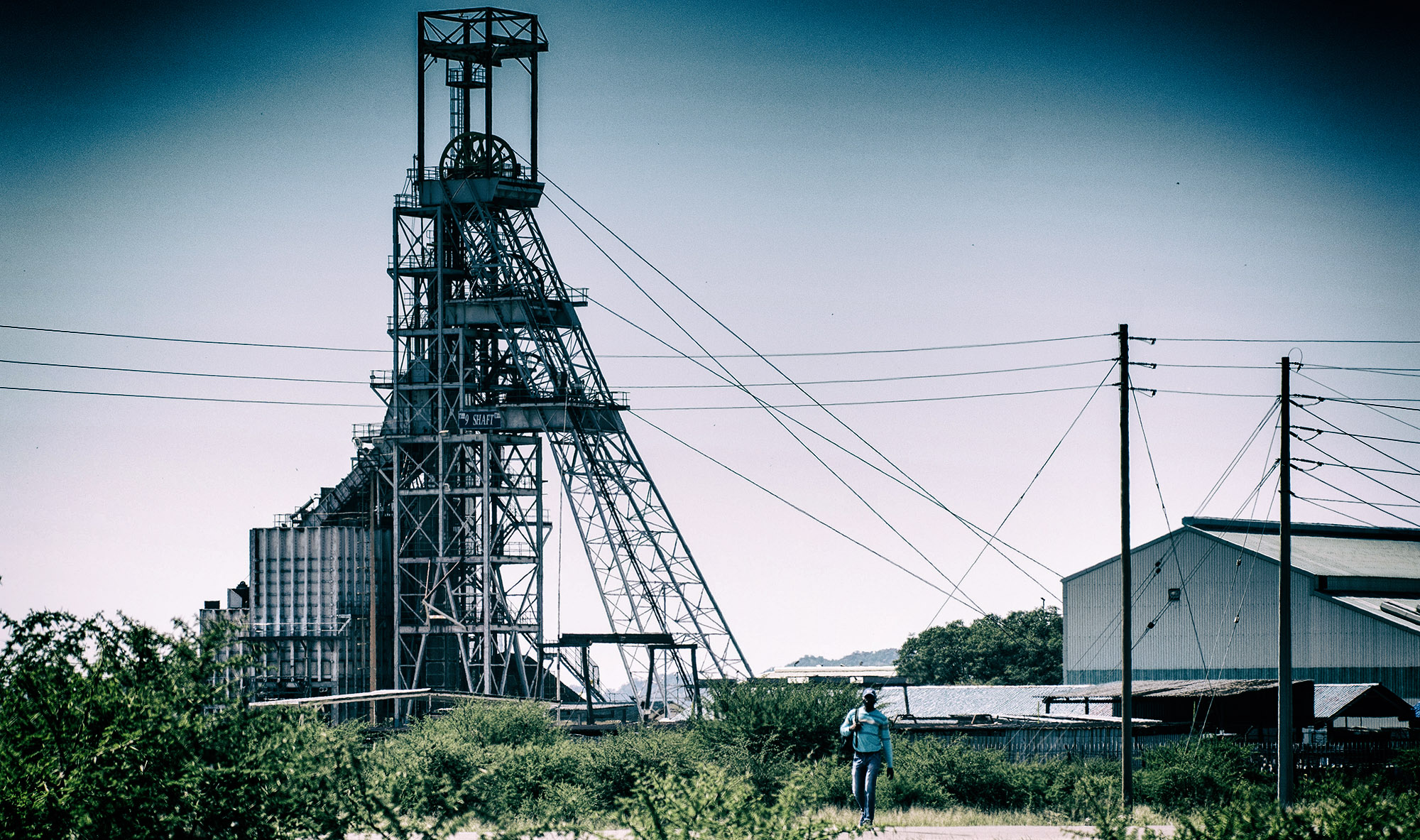
Live updates as March and March’s 30 June deadline arrives. Daily Maverick journalists are reporting from the ground in KZN, Western Cape and Gauteng to bring you the facts.

With the March and March 30 June deadline looming and anti-illegal immigration protests taking over the headlines, things are getting complex. Got burning questions about SA’s anti-immigrant crisis and where it’s all…
In the lead-up to the 30 June 2026 deadline set by anti-immigrant groups, South African public health professionals call on health workers to support and protect the rights of refugees and migrants, ensuring equitable…

Under pressure from threatening organized groups, thousands of illegal foreign nationals are taking refuge in precarious camps while awaiting an uncertain return to their country of origin.
The demonstrations set to take place are the culmination of weeks of protests that have displaced thousands of mainly African expatriates.