Asia stock markets slide as tech shares slump
Trading on South Korea's Kospi index was halted for the third time this week to prevent panic selling.

South Korean stocks plunged 6% as foreign investors dumped a record 47 trillion won in May, while the yen's continued decline puzzles analysts and the US expands bans on Chinese technology imports — signaling...
Korea Herald leads with market panic mechanics: Kospi slid nearly 6 percent, triggering trading halts for the third time this week, as foreign investors dumped a record 47 trillion won. Yet paradoxically, the outlet notes foreign investor market ownership "climbed"—revealing concentration dynamics. Japan Times takes an analytical departure: analysts say the yen's continued decline makes "perfect sense," suggesting "there is really much at all holding the currency up." This frames yen weakness as structurally driven rather than requiring Bank of Japan intervention narrative.
Straits Times frames US tech import bans as supply-chain disruption—"US bans imports of more Chinese technology goods," effective early July. SCMP frames the same bans through US-China geopolitical competition lens (implied by outlet specialization). Korea Herald reports South Korean vessels clearing Strait of Hormuz after months stranded and South Korea-Iran coordination on vessel transit. These Asian market stories reveal interconnected stress: equity panic, currency fundamentals questioned, supply-chain bans, shipping route hazards.
Asia stock markets slide as tech shares slump
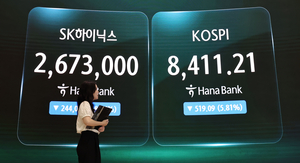
Kospi whipsaws again sliding 6 percent as chip sell-off
Foreign investors dump record W47tr in Korean stocks in
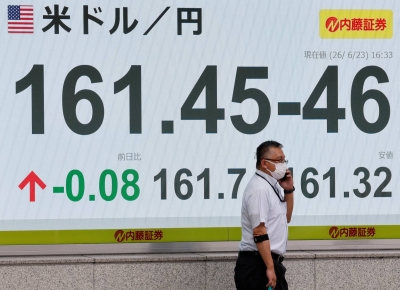
Yen's decline makes perfect sense to some analysts
Lee rebuts water concerns over possible Honam chip investment
2 more Korean vessels clear Strait of Hormuz
S Korea Iran agree to closely coordinate on Strait
US bans imports of more Chinese technology goods
Whether South Korea's government will intervene to stabilize the Kospi, and the full extent of the US technology import ban expansion against Chinese goods, have not been fully detailed.
People's Daily does not cover Asian market volatility or the US Chinese tech import ban expansion, omitting analysis of the economic impact on China.
Korea Herald frames the Kospi's 6% slide and circuit breaker activation as 'chip sell-off' driven, connecting it to semiconductor market volatility and foreign capital exodus; separately covers President Lee Jae-myung defending the Honam chip investment water concerns.
Japan Times analysts frame the yen's decline as structurally logical given interest rate differentials, suggesting little holding the currency up — a more bearish framing than conventional policy reassurance.
BBC covers Asia stock market slides including South Korea's Kospi trading halt for the third time in a week, framing it as a tech shares slump with broader Asian implications.
Straits Times covers the US expanding bans on Chinese technology goods imports as taking effect in early July, framing it as a supply-chain disruption for Asian tech manufacturers.
This page maps the coverage. The 8 articles below are the original reports the comparison is drawn from — open them for each publisher's full reporting.
Trading on South Korea's Kospi index was halted for the third time this week to prevent panic selling.
South Korean stocks tumbled Friday, erasing the previous session's chip-fueled rally, as the Kospi slid nearly 6 percent and triggered another circuit breaker amid mounting concerns over extreme market volatility…
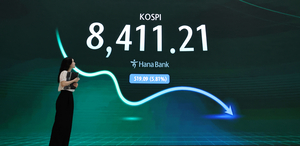
Foreign investors dumped a record 47 trillion won ($30.6 billion) of South Korean stocks in May, yet their market ownership climbed to an all-time high as the Kospi rally lifted the value of their remaining holdings.…
They have started to wonder whether there is really much at all holding the currency up.
President Lee Jae-myung on Saturday pushed back against concerns that South Korea’s southwestern Honam region may lack enough water to support possible semiconductor investments by Samsung Electronics and SK hynix,…

Two additional South Korean vessels have cleared the Strait of Hormuz after being stranded there for months amid the conflict in the Middle East, the oceans ministry said Saturday. "Two vessels operated by South…
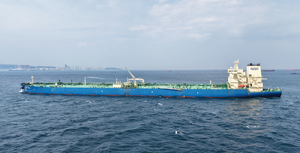
South Korea and Iran agreed Friday to maintain close communication on the safety of ships and seafarers in the Strait of Hormuz and the protection of South Korean nationals in Iran, Seoul's Foreign Ministry said.…

The expanded ban is set to take effect in early July.