Japan’s trade deficit widens as yen, Iran war inflate imports
The trade deficit expanded to ¥406.9 billion on an unadjusted basis from a revised ¥391.8 billion gap in May.
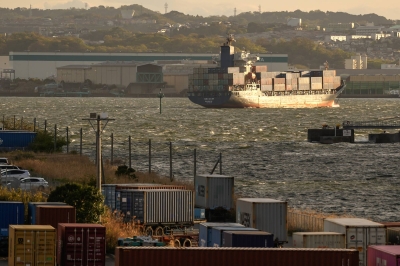
Japan's trade deficit widened as a weak yen and surging oil prices driven by the Iran war inflated import costs, with Japan sizzling through its first 'brutally hot' days — demonstrating how the Middle East...
Japan Times leads with "Japan's trade deficit widens as yen, Iran war inflate imports," explicitly naming the Iran conflict as a direct causal factor in worsening trade balance through oil price effects. The article reports trade deficit expanded to ¥406.9 billion partly due to "surging oil prices driven by the Iran war." CNA reports "Japan imports jump to record high on oil price surge, complicating BOJ policy," emphasising monetary policy complexity without attributing oil prices to the war.
The Guardian frames Japan's heat through environmental and wildlife consequence imagery ("in pictures"), contextualising rising temperatures as part of climate change. Japan Times treats heat through economic and policy consequence, reporting the weather agency issued heat stroke alerts and forecasting a second "kokushobi" day. CNA focuses on public health response (air conditioning advice, hydration). Japan Times and CNA both report heat intensity but The Guardian's framing emphasises environmental systemic risk.
Japan's trade deficit widens as Iran war inflates imports
Japan imports jump to record high, complicating BOJ policy
Japan swelters through rising heat in pictures
Japan swelters as weather breaks brutally hot threshold
Japan sizzles in first brutally hot days of year
Whether the Bank of Japan will adjust its interest rate policy in response to import inflation driven by external energy price shocks, and the duration of current oil price elevation, remain publicly unconfirmed.
No covering source examines the specific Japanese industries — petrochemicals, shipping, manufacturing — most immediately affected by the import cost surge.
Japan Times reports the trade deficit expanded to ¥406.9 billion as the Iran war and weak yen inflate imports, directly linking the Middle East conflict to Japanese economic harm — consistent with the outlet's infrastructure/logistics framing of warfare as an economic problem.
CNA reports Japan imports jumped to a record high on oil price surges, complicating Bank of Japan monetary policy — framing it through central bank institutional decision-making.
The Guardian documents Japan sweltering through rising heat in pictures, with 'kokushobi' days now an established meteorological category — environmental framing of the same heat driving energy demand.
Japan Times covers how urbanisation has affected cicada singing patterns after dark, offering a cultural-scientific dimension of Japan's heat crisis distinct from the economic and meteorological reporting.
This page maps the coverage. The 5 articles below are the original reports the comparison is drawn from — open them for each publisher's full reporting.
The trade deficit expanded to ¥406.9 billion on an unadjusted basis from a revised ¥391.8 billion gap in May.
For Japan, days where the mercury soars above 40C now have their own term – kokushobi (酷暑日), or ‘cruelly hot day’, as rising temperatures cause heatstroke deaths and impact on crop yields across the country Japan…
The weather agency issued heat stroke alerts for much of the country, forecasting a second straight day of "kokushobi" — literally meaning brutally hot day.
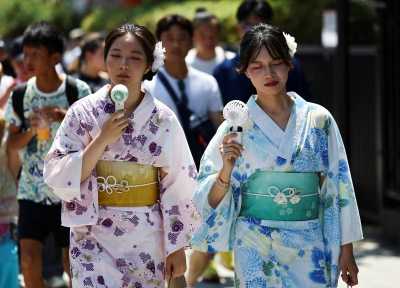
Authorities urged residents to use air conditioning liberally, hydrate regularly and avoid spending long hours outdoors.
