Israel and Lebanon sign framework agreement after US-brokered talks
Hezbollah is not party to Friday's agreement, and previous ceasefires between Israel and Lebanon have still seen near-daily cross-border strikes.

The US-brokered trilateral framework agreement between Israel, Lebanon, and the US marks the first formal step toward ending the Israel-Lebanon conflict, though Hezbollah's exclusion from the deal and ongoing...
BBC News and Le Monde lead with the framework agreement's core terms—partial IDF withdrawal, Lebanese army control of pilot areas, US brokerage—while BBC explicitly flags that "Hezbollah is not party to Friday's agreement" and notes previous ceasefires have seen near-daily cross-border friction. This establishes skepticism through structural analysis.
La Repubblica emphasizes Italy and France's proposed role in a new multinational peacekeeping force including Gulf states, reframing the deal as a European diplomatic opportunity. Times of Israel leads with IDF-Hezbollah combat clashes during talks—four soldiers hurt in a clash with a Hezbollah operative in southern Lebanon—positioning the agreement as fragile amid active warfare. Deutsche Welle and The Hindu provide institutional framing of the trilateral signing without political durability assessment.
Israel and Lebanon sign framework agreement after US-brokered talks
Lebanon and Israel sign framework agreement for lasting peace
West Asia war LIVE Lebanon Israel and US sign trilateral framework
Israel Lebanon sign framework agreement with US in first step
US Lebanon Israel sign framework agreement
Agreement in Washington between Israel and Lebanon but Hezbollah not
Italy and France new Unifil with Gulf countries inside
IDF 4 soldiers hurt in clash with Hezbollah operative Lebanon
It remains unconfirmed whether Hezbollah will respect the framework or escalate, and the precise terms regarding IDF withdrawal from the 'security zone' have not been publicly disclosed.
TASS provides no coverage of the Israel-Lebanon framework agreement; Russian state media omits any analysis of the deal's implications for regional security architecture or Russia's allies in Lebanon.
BBC notes Hezbollah is not party to the agreement and that previous ceasefires have seen near-daily violations, foregrounding institutional credibility concerns.
Le Monde analyzes the framework as providing for Lebanese army control of two areas rather than a total Israeli withdrawal, emphasizing the limited and conditional nature of the deal.
The Hindu provides live-blog coverage of the trilateral signing, noting Iran's Revolutionary Guards claimed simultaneous attacks on US Gulf sites as a complicating factor.
Deutsche Welle frames the US, Lebanon, and Israel signing as a diplomatic process milestone, with Secretary Rubio acknowledging much work remains.
Times of Israel reports IDF soldiers were wounded in a clash with a Hezbollah operative in southern Lebanon even as talks extended, and notes Israeli-Lebanese officials denied US claims of IDF withdrawal.
La Repubblica highlights Italy and France proposing a new multinational UNIFIL force including Gulf states, with Meloni thanking the US for mediation.
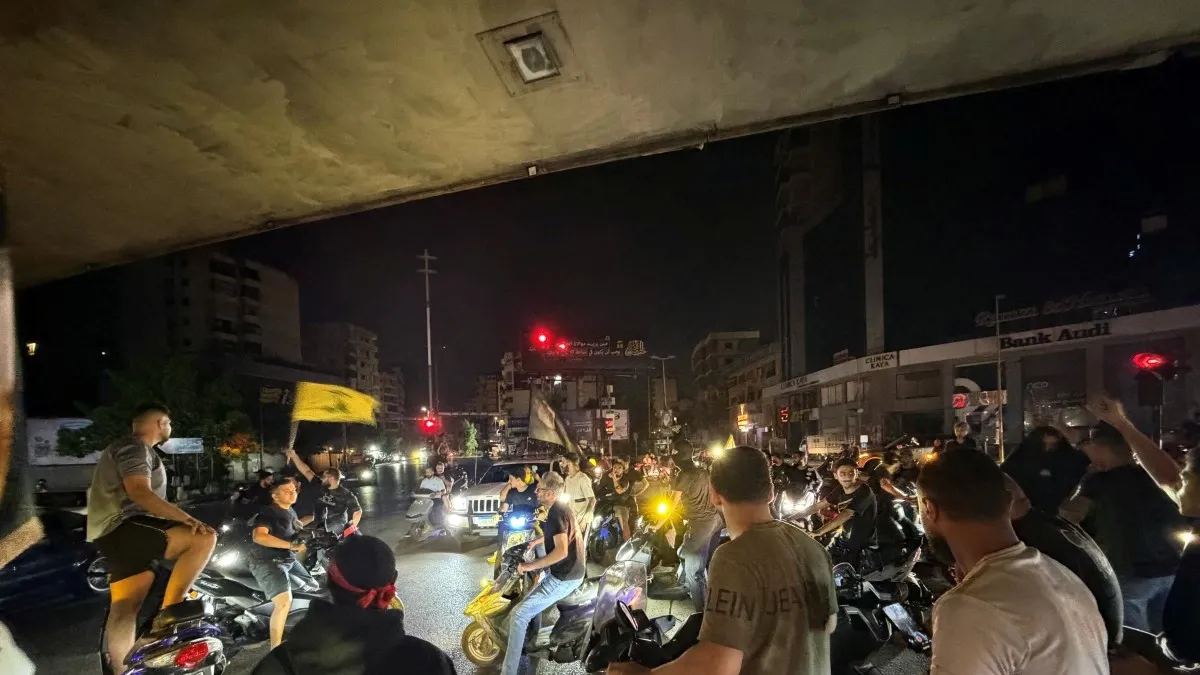
El Tiempo reports Hezbollah supporters setting tires on fire in Beirut in protest against the framework agreement, emphasizing grassroots opposition.
Yahoo Japan and Japan Times cover the Israel-Lebanon framework agreement factually, framing it as a diplomatic milestone in the West Asia conflict.
ABC Australia covers the Ashura procession in Beirut as simultaneously a sacred ceremony and a display of Hezbollah's force, illustrating the complexity of the post-agreement landscape.
Straits Times reports Hezbollah supporters taking to the streets of Beirut to protest the Israel deal, emphasizing popular opposition.
This page maps the coverage. The 17 articles below are the original reports the comparison is drawn from — open them for each publisher's full reporting.
Hezbollah is not party to Friday's agreement, and previous ceasefires between Israel and Lebanon have still seen near-daily cross-border strikes.
The text signed on Friday does not provide for a total Israeli withdrawal, but to entrust the Lebanese army with control of two “pilot zones”. Hezbollah’s rejection of this agreement constitutes a major obstacle to its…
Iran’s Revolutionary Guards said that they had attacked U.S. sites in the Gulf region in retaliation to American strikes in Iran
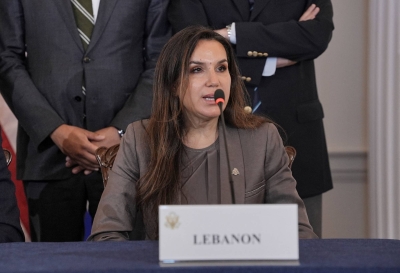
The officials did not share details on the agreement that was signed by Yechiel Leiter, the Israeli Ambassador to the United States, and Nada Hamadeh, Ambassador of Lebanon to the United States

US Secretary of State Marco Rubio has announced a trilateral framework agreement. Lebanese officials began direct talks with Israel in Washington in April.
Agreement for a first, gradual withdrawal of the IDF from some "pilot areas". Rubio cautious: “Much remains to be done.”
Meloni: “Thanks to the United States for the mediation”. The goal is now to set up a large expedition, with Qatar and Saudi Arabia
IDF: 4 soldiers hurt in clash with Hezbollah operative in southern Lebanon The Times of Israel
Israel-Lebanon talks extended an extra day as deal on IDF withdrawal remains elusive The Times of Israel
4 IDF soldiers injured in Lebanon clash with Hezbollah gunman, ahead of another day of talks The Times of Israel
Lebanon’s Aoun backs French-Italian initiative for multinational force to succeed UNIFIL The Times of Israel
Some had gathered near the seat of the government and blocked a main road nearby.
Tens of thousands of Shiite Muslims gathered in Beirut for the largest Ashura procession in years, as Hezbollah used the holy day to project strength despite growing pressure to disarm after months of war with Israel.
Israel will maintain a "security zone" along the boundaries of the yellow line, which marks a seized territory that stretches some 10 km into Lebanon from the Israeli border.
Images broadcast in local media and on social networks showed hundreds of Hezbollah supporters in their vehicles.
The United States, Israel and Lebanon signed this Friday (26) an agreement to cease hostilities in the region. The agreement was announced by US Secretary of State Marco Rubio after negotiations in Washington.