Trump says he 'loves the inflation' as US prices rise at fastest rate in three years
Consumers are increasingly feeling the strain of the US-Israel war in Iran.

The US-Iran conflict is driving oil prices above $95 per barrel, pushing US inflation to a three-year high of 4.2%, threatening Germany with recession, suppressing South Korean employment, and disrupting...
BBC News and CNN frame Trump's dismissal of inflation concerns—his statement 'I love the inflation'—as politically problematic amid consumer strain from the US-Iran war. Daily Sabah reports Trump brushing aside concerns, framing it as an institutional accountability failure. Meanwhile, Straits Times presents the US as a structural beneficiary of the crisis through its oil export position, offering a geopolitical-economic lens.
Deutsche Welle emphasises Germany's recession risk, noting economists say the country is edging toward recession as an energy shock from the Iran war reduces growth. SCMP, by contrast, foregrounds China's factory gate prices surging by the most since 2022, surpassing expectations, as higher oil costs benefit Chinese exporters. Korea Herald and Japan Times report oil price movements and employment effects in South Korea, while Straits Times contextualises East African budget pressures amid Iran war cost shocks.
Trump says he loves inflation as US prices rise fastest rate
Trump says he loves inflation as prices hit 3-year high
Recession looms as Iran war chokes German growth
Trump embraces 3-year price high as Iran war hits home
Oil surges as fresh US strikes threaten fragile truce
Korea's employment falls for first time amid Middle East fallout
East African ministers unveil budgets amid Iran cost shocks
The duration of Hormuz disruption and whether sustained oil price elevation will trigger a global recession remain unconfirmed.
The economic impact on Iran's civilian population — including those already affected by water cut-offs from US strikes — is largely absent from economic framing, appearing only in humanitarian coverage.
BBC reports Trump saying he 'loves the inflation' as US prices rise at their fastest rate in three years, attributing the surge directly to the war.
Deutsche Welle reports that Germany is edging toward recession as the Iran war's energy shock takes a chunk out of growth, citing economists' warnings.
SCMP notes that China's factory gate prices rose by the most since 2022, with higher oil costs from the war as the driver, contrasting with muted consumer inflation.
Japan Times reports Brent crude surging over 2% to above $95 a barrel on fresh US strikes, treating the conflict as an infrastructure and logistics problem.
Daily Sabah reports Trump saying he 'loves' inflation as prices hit a 3-year high, framing his comments as institutional accountability failure.
Korea Herald directly links South Korea's first employment drop in 17 months to the prolonged Middle East conflict's economic ripple effects.
Straits Times frames the US as having benefited structurally from Hormuz closure due to its oil export position, offering a counterintuitive economic angle.
This page maps the coverage. The 8 articles below are the original reports the comparison is drawn from — open them for each publisher's full reporting.
Consumers are increasingly feeling the strain of the US-Israel war in Iran.
U.S. President Donald Trump brushed aside concerns over rising consumer prices on Wednesday, saying he 'loved' the latest inflation figures and expressing confidence that inflation...

Economists say Germany is edging toward recession as an energy shock caused by the Iran war takes a chunk out of growth. Meanwhile, police have carried out raids on a suspected international drug ring.
US President Donald Trump on Wednesday brushed off concerns about consumer inflation surging to a fresh three-year high in May, on the back of soaring energy prices caused by his war in Iran. “The numbers were great … I…

Brent crude surged over 2% to trade above $95 a barrel, while West Texas Intermediate advanced toward $93, before paring gains after the U.S. ended a brief campaign of strikes.
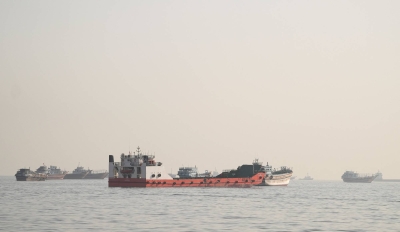
China’s factory gate prices rose by the most since 2022, surpassing expectations, as higher oil costs stemming from the war in Iran help manufacturers escape years of deflation. The producer price index rose by 3.9 per…

NAIROBI/KAMPALA, June 11 - Finance ministers in Kenya, Uganda and Tanzania will present their 2026/27 budgets to parliament on Thursday, with investors focused on how they will shield their economies from cost shocks…
The effects of prolonged conflict in the Middle East are rippling through South Korea's labor market, with employment falling for the first time in 17 months as manufacturers and young workers bear the brunt.…
