Yemen’s Houthis say they fired missiles at Saudi oil tanker in Red Sea
The Iran-aligned group's military spokesperson said the vessel had breached the blockade, ignored warning calls and was forced to change course.
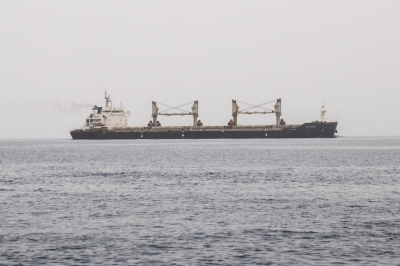
Houthi attacks on Saudi oil tankers and a declared blockade of Red Sea shipping have closed one of the world's most critical maritime trade corridors, threatening global supply chains and raising questions...
Japan Times leads with China's back-channel engagement with Yemen's Houthis, reporting sources saying China is in touch to allow ships to sail through the Red Sea. Japan Times emphasizes diplomatic resolution pathway through non-Western mediation. Japan Times also reports Houthis firing missiles at Saudi oil tankers in enforcement of their declared July 20 blockade.
Times of Israel frames the same missile attacks as ballistic missile strikes, emphasizing the military capability and escalation dimension without explicitly invoking Chinese diplomacy. Deutsche Welle foregrounds the question of whether Pakistan will intervene amid Houthi attacks on Saudi ships, centering regional alliance accountability and the limits of defense partnerships.
El Tiempo provides the broadest framing, treating the Red Sea blockade alongside Hormuz and Taiwan Strait tensions as part of a systemic strait crisis threatening 90 percent of global maritime trade.
Yemen Houthis say they fired missiles Saudi oil tanker
China in touch with Yemen Houthis allow ships sail
Yemen Houthis say they fired ballistic missiles Saudi tanker
Will Pakistan intervene amid Houthi attacks Saudi ships
Hormuz to China Sea straits crisis threatens 90 percent maritime
Whether China's Houthi diplomacy will produce a formal shipping arrangement or only ad hoc protection for Chinese vessels remains unconfirmed.
People's Daily provides no coverage of the Houthi Red Sea blockade or China's diplomatic engagement with the Houthis despite China's active diplomatic role.
Japan Times reports Yemen's Houthis fired missiles at a Saudi oil tanker for breaching the blockade, and separately that China is in touch with the Houthis to allow ships to sail through the Red Sea, framing it through shipping route institutional vulnerability.
Times of Israel reports the Houthis fired ballistic missiles at a Saudi oil tanker in the Red Sea, presenting it as an extension of Iran-backed regional military pressure.
Deutsche Welle asks whether Pakistan will intervene amid Houthi attacks on Saudi ships, framing it through regional alliance accountability and limits on Pakistan's strategic partnership with Saudi Arabia.
El Tiempo frames the Hormuz-to-China-Sea straits crisis as threatening 90% of global maritime trade through an analytical piece covering multiple chokepoints simultaneously.
This page maps the coverage. The 5 articles below are the original reports the comparison is drawn from — open them for each publisher's full reporting.
The Iran-aligned group's military spokesperson said the vessel had breached the blockade, ignored warning calls and was forced to change course.
The Houthis declared their blockade on July 20, opening a new front against the U.S. and its allies in the Iran war and expanding attacks on tankers.
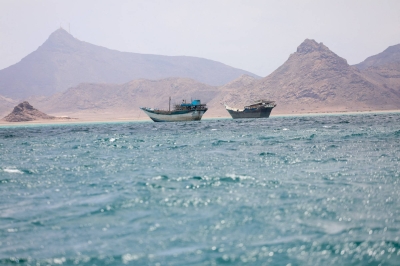
Yemen’s Houthis say they fired ballistic missiles at Saudi oil tanker in Red Sea The Times of Israel
Pakistan and Saudi Arabia are strategic defense partners, but experts say there are limits to how far Islamabad can go in opposing Iran-backed Houthis.
In addition to the Strait of Hormuz, other hot passages such as the Taiwan Strait or the Bab al Mandab Strait can affect global trade.