Iran and US trade strikes, shattering brief lull in fighting
US Central Command says it intercepted "multiple" ballistic missiles fired by Iran.

Active US-Iran military exchanges including ballistic missile barrages, US-Saudi strikes on Iran-backed Iraqi militias, and Hormuz closure threats collectively imperil global energy supply chains, risk broader...
BBC News, Folha de S.Paulo, Al Jazeera Arabic, Deutsche Welle, Daily Maverick, and Yahoo Japan report factually aligned details on Iranian ballistic missile launches and US-Saudi retaliatory strikes. BBC leads with CENTCOM's interception claims; Al Jazeera Arabic emphasizes Jordan's air defense role; Deutsche Welle integrates the Israeli dimension into regional escalation reporting.
Times of Israel frames Netanyahu's concurrent White House visit as revealing "unprecedented cooling" in US-Israel relations, while Al Jazeera Arabic, Daily Sabah, and The National frame the same visit as demonstrating frustration without strategic rupture. CNN frames Trump administration decision-making through domestic political calculation and polling, a dimension entirely absent from TASS and Russian-aligned coverage, which omits critical analysis of Iranian or Russian roles in escalation.
The Hindu and SCMP emphasize strategic autonomy and supply-chain vulnerability respectively, anchoring coverage in non-aligned perspectives, while BBC and CNN center institutional military accountability and US domestic political consequences.
US Central Command intercepts multiple Iranian ballistic missiles
Iran launched multiple ballistic missiles against US forces
Jordan announces shooting down five Revolutionary Guard missiles
US and Saudi forces strike Iran-aligned terrorists in Iraq
US thwarted attempted Iranian surprise attack after lull
The precise casualty figures among US troops remain disputed, with CNN reporting the Trump administration altered published death toll numbers without public confirmation of the actual figure.
People's Daily and TASS provide no coverage of the US-Iran military exchanges; TASS omits any coverage of Iranian missile strikes or US-Saudi strikes on Iraqi militias, instead saturating with domestic achievement narratives.
BBC frames the resumed fighting as a shattering of a brief lull, centering US Central Command's interception of Iranian ballistic missiles and foregrounding institutional military response accountability.
Deutsche Welle emphasizes de-escalatory institutional sustainability, framing US-Saudi strikes on Iraqi militias and the Hormuz standoff through endurance and diplomatic exit-ramp analysis.
Daily Sabah frames the conflict through institutional military accountability, highlighting Houthi attacks on Saudi oil infrastructure and framing regional security through Turkish strategic positioning.
The Hindu maintains non-aligned framing, covering Iran's insistence on Hormuz control, Israel's use of its bases for US bombers, and Iranian Kurdish parties denying proxy status.
Folha de S.Paulo leads with the US-Saudi joint strikes in Iraq, notes only one-third of Americans support the war per Reuters/Ipsos polling, and covers Ukraine's warning to Iran not to retaliate for the ship strike.
Al Jazeera Arabic covers the IRGC targeting of a US base in Jordan, the Houthi missile strike on a Saudi oil tanker, and Netanyahu's Washington visit through a lens emphasizing cooling US-Israel relations.
Times of Israel covers Trump-Netanyahu tensions over Iran strategy, Netanyahu's refusal of US pressure to withdraw troops, mediators' belief a breakthrough is near, and drone attacks across the region during the lull.
Japan Times and Yahoo Japan analyze the conflict primarily through crude oil supply vulnerability and Asian energy security infrastructure disruption consequences rather than military framing.
Straits Times and CNA analyze Hormuz and Red Sea shipping route institutional vulnerability and supply-chain implications for regional trade, with CNA noting China's supply of shoulder-launched missile systems to Iran.
The National frames the conflict through Gulf regional autonomy, covers Brent oil sliding on US-Iran talk steam, and analyzes why the war is spreading without Western alignment framing.
Dawn covers the US-Saudi strikes in Iraq and questions whether Pakistan will intervene in Houthi attacks on Saudi ships given defense partnership limits.
ABC Australia reports the US-Saudi strikes on Iran-backed militants factually, noting the US accused Iran of launching its first ballistic missile attack on an American base since a lull began.
El Tiempo frames the Hormuz crisis as threatening 90% of global maritime trade through multiple straits and positions the US strikes as executive institutional decision-making accountability.
Daily Maverick reports US interception of Iranian ballistic missiles factually through Reuters wire framing without domestic editorial positioning.
Le Monde covers diplomatic exchanges between Iran, Oman, and Saudi Arabia around Hormuz and the IRGC's claim of targeting a US base in Jordan through elite expert institutional analysis.
SCMP analyzes the US-Saudi strikes and Hormuz maritime security through structural institutional vulnerability and supply-chain coherence rather than military capability framing, noting China denies supplying missiles to Iran.
This page maps the coverage. The 41 articles below are the original reports the comparison is drawn from — open them for each publisher's full reporting.
US Central Command says it intercepted "multiple" ballistic missiles fired by Iran.
The United States stated on Tuesday night (28) that Iran launched "multiple ballistic missiles" against American forces in the Middle East. The offensive marks the resumption of attacks of this type by…
The Iranian Revolutionary Guard spoke of targeting what it said was a “US Army base in Jordan,” while the US Army confirmed that it had intercepted all the missiles launched from Iran earlier tonight.
The United States stated on Tuesday night (28) that Iran launched "multiple ballistic missiles" against American forces in the Middle East. The offensive marks the resumption of attacks of this type by…
US and Saudi Arabian forces said they struck “Iran-aligned terrorists” in Iraq on Wednesday in retaliation for recent attacks, following a short pause in Iran war hostilities. The combined air operation came as…
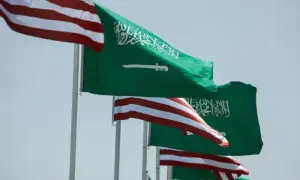
The US military said it thwarted an "attempted surprise attack" by Iran that came after a days-long lull in fighting. Meanwhile, Israel's Netanyahu hailed an "excellent" meeting with Trump.
WASHINGTON, July 28 (Reuters) - The U.S. military said on Tuesday it intercepted multiple ballistic missiles launched by Iran towards U.S.
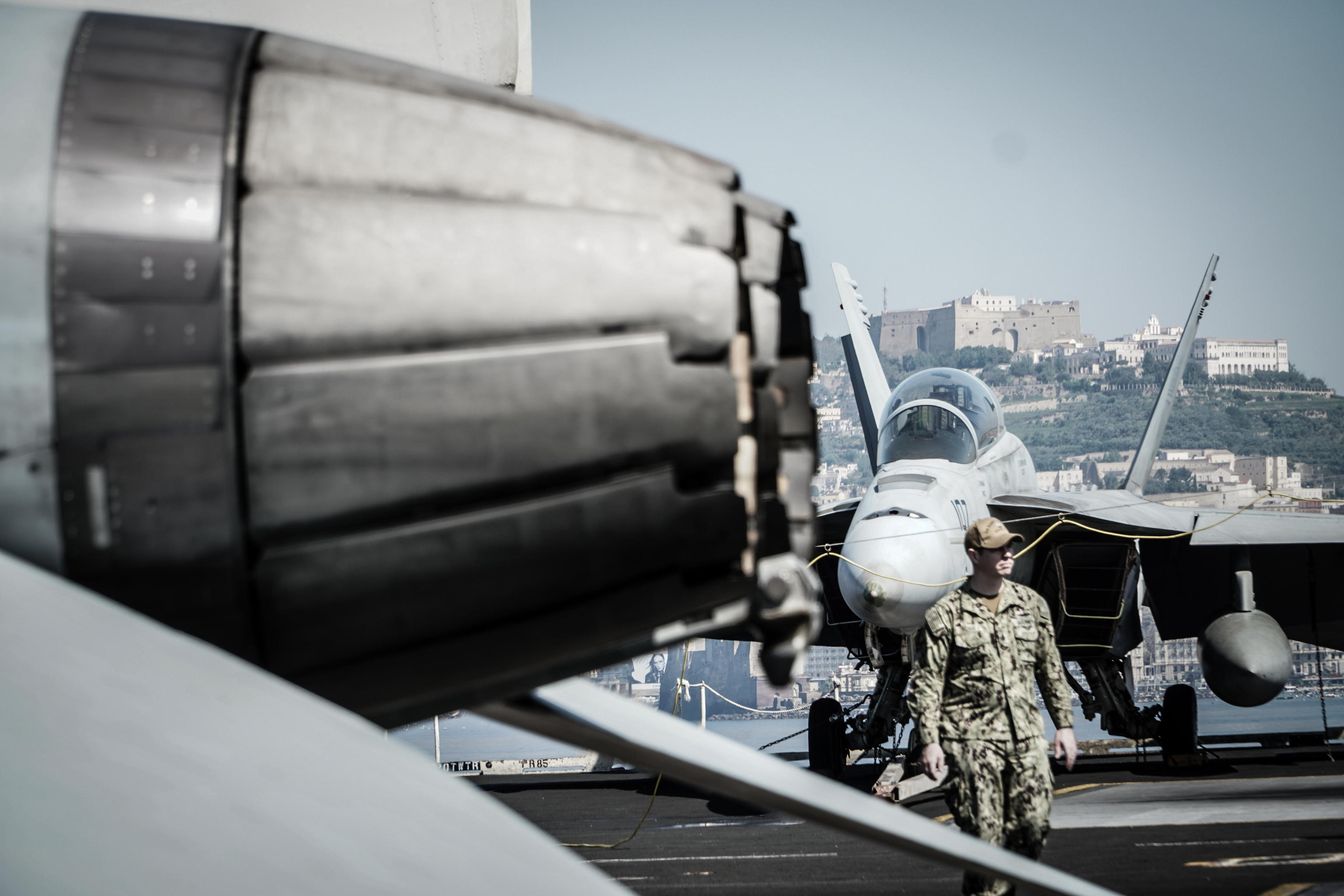
In a statement, the IRGC wrote that the attack was a response to “aggressive actions by the American army.” The United States and Saudi Arabia carried out joint strikes against militias…
A U.S. official again rejected the idea of tolls or fees for ships transiting the strait, reiterating that it is an international waterway that should be free of Iranian control.
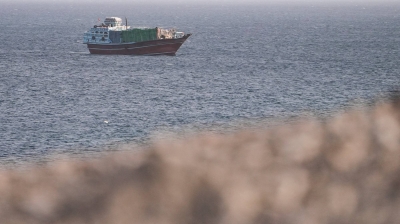
The US military said Tuesday that it knocked down an Iranian missile barrage and worked with Saudi forces to strike sites in Iraq that Tehran-backed militias used to launch attacks in recent days, shattering a brief…


Ahead of Netanyahu-Trump meeting, mediators believe US-Iran breakthrough near The Times of Israel
China’s Foreign Ministry said the reports are groundless.
Saudi Arabia said the Iran-backed groups were responsible for drone attacks on its oil facilities.
Just 1 in 3 Americans support war against Iran, the lowest figure in a Reuters/Ipsos poll since the early days of the five-month conflict, with the majority of respondents saying the...
In the MoU, the U.S. has made several concessions to Iran.

Iraqi Prime Minister Ali al-Zaidi ordered security agencies to investigate after the Saudis alleged a similar attack on Monday.
The purchase, valued at $60-70 million, is one of Tehran's largest-known efforts to strengthen its air defenses since the outbreak of its war with the U.S. and Israel.
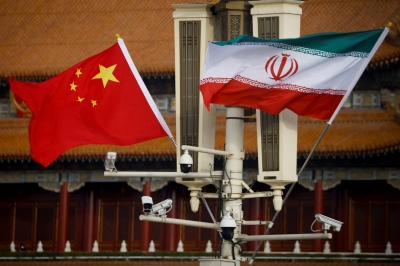
The Houthis declared their blockade on July 20, opening a new front against the U.S. and its allies in the Iran war and expanding attacks on tankers.
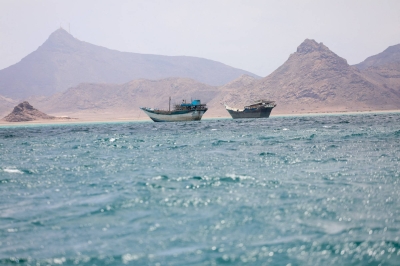
In addition to the Strait of Hormuz, other hot passages such as the Taiwan Strait or the Bab al Mandab Strait can affect global trade.
Fresh fighting has erupted after the US accused Iran of launching its first ballistic missile attack on an American base since strikes were paused on Friday. Here's your three-minute briefing on the key developments in…
The United States stated on Tuesday night (28) that Iran launched "multiple ballistic missiles" against American forces in the Middle East. The offensive marks the resumption of attacks of this type by…
President Donald Trump claimed Tuesday that the U.S. has had positive talks with Iran, but renewed threats to strike key infrastructure if a deal isn’t reached.
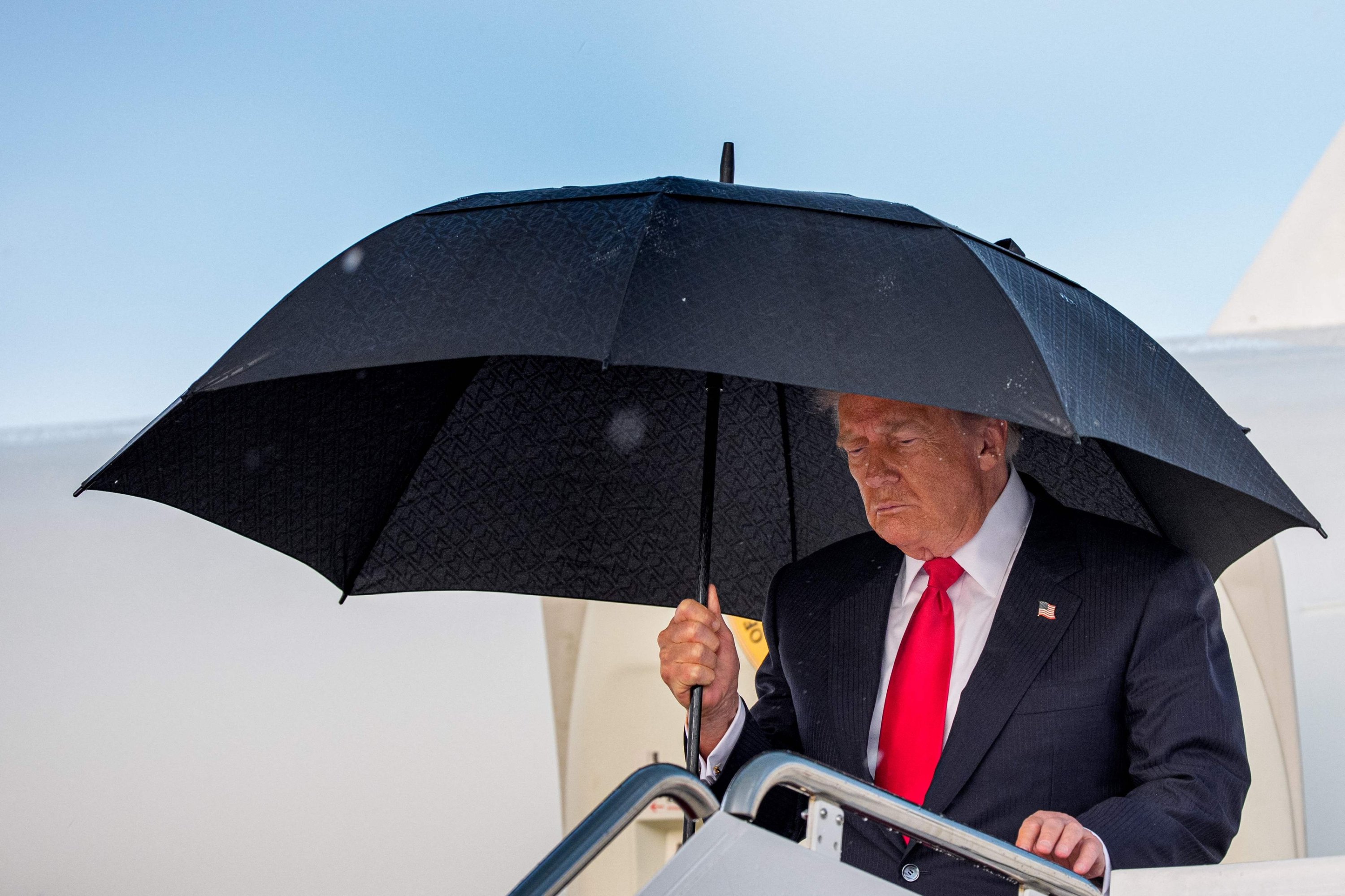
Israel, Saudi Arabia, Jordan, Iraq attacked by drones despite lull in US-Iran fighting The Times of Israel
Report: CENTCOM chief urged halt to Hormuz campaign unless US prepared to escalate The Times of Israel
Netanyahu before takeoff: Iran will be focus of conversation with Trump The Times of Israel
Ukraine and Iran sought to ease tensions Tuesday after Kyiv said it did not intend to target an Iranian commercial vessel in the Caspian Sea, while Tehran demanded compensation for...
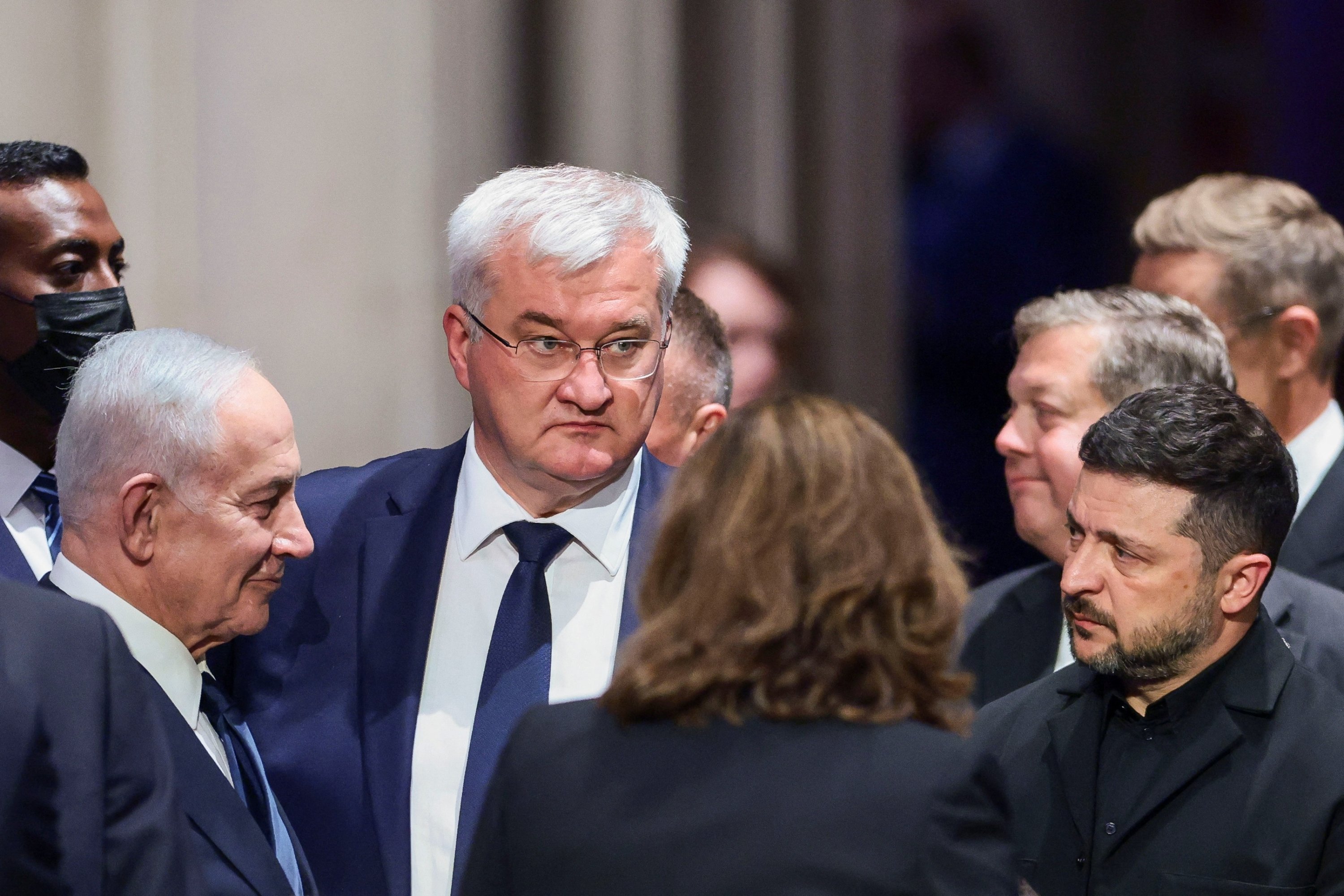
Pakistan and Saudi Arabia are strategic defense partners, but experts say there are limits to how far Islamabad can go in opposing Iran-backed Houthis.
The Iran-aligned group's military spokesperson said the vessel had breached the blockade, ignored warning calls and was forced to change course.
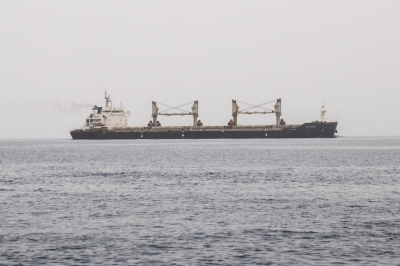
The Iranian Revolutionary Guard spoke of targeting what it said was a “US Army base in Jordan,” while the US Army confirmed that it had intercepted all the missiles launched from Iran earlier tonight.
The United States of America and Saudi Arabia announced the implementation of joint strikes in Iraq targeting sites of armed groups loyal to Iran, in response to dozens of attacks carried out under the direction of the Iranian Revolutionary Guard during the past hours.
The United States stated on Tuesday night (28) that Iran launched "multiple ballistic missiles" against American forces in the Middle East. The offensive marks the resumption of attacks of this type by…
Just 1 in 3 Americans support war against Iran, the lowest figure in a Reuters/Ipsos poll since the early days of the five-month conflict, with the majority of respondents saying the...