ECB raises interest rate to tackle inflation surge
The European Central Bank has been moving to rein in inflation after a long pause on rate changes. The policy shift is aimed at tamping down prices while raising fresh concerns about growth.
The European Central Bank's first interest rate hike in response to the Iran war's energy price shock marks a major monetary policy shift with direct consequences for eurozone mortgages, growth, and government...
Deutsche Welle and Daily Sabah present the ECB rate hike as a proportionate response to inflation surge caused by the Iran war energy shock. Daily Sabah explicitly names it "the first for major central bank after Iran war," while Deutsche Welle emphasizes the shift from a "long pause on rate changes" aims to "tamp down" inflation. La Repubblica frames the same decision as threatening "families, businesses and the State" with "heavier mortgages, investments, inflation and public debt" costs, while Italian Finance Minister Giorgetti expresses concern about growth slowdown and hopes no further hikes follow.
La Repubblica's Borowski interview acknowledges Frankfurt's intention to avoid repeating 2022's late response, suggesting the hike may be justified but risks stifling growth. Korea Herald independently reports BOK rate hike signals as driven by domestic inflationary pressures, treating it as a separate monetary decision rather than a response to the Iran shock affecting European energy prices.
ECB raises rate to tackle inflation surge
ECB raises rates; what changes for mortgages and debt
Whether further ECB rate hikes are planned and the timeline for potential cuts once energy prices stabilise are not confirmed in available summaries.
No covering source provides perspective from ECB member states in Eastern Europe, whose energy dependence on non-Hormuz routes may differ substantially from Western European exposure.
Deutsche Welle frames the ECB hike as a response to the Strait of Hormuz energy crisis, analysing it through institutional sustainability and economic endurance rather than immediate financial market reaction.
Daily Sabah positions the ECB hike as the first major central bank response to the Iran war, treating it as an institutional decision-making event with direct energy-security consequences.
La Repubblica reports the rate rise with alarm — Brussels fears a slowdown, Italy is critical, and Finance Minister Giorgetti expresses hope there will be no further hikes — framing it as a threat to growth and public debt.
Korea Herald reports the Bank of Korea governor signalling further rate hikes citing persistent inflationary risks, situating South Korean monetary tightening within the same global energy-shock context.
Irish Times covers the first interest rate hike in three years as a top business story, treating it through domestic mortgage and investment consequences alongside the Intel corporate recovery story.
This page maps the coverage. The 7 articles below are the original reports the comparison is drawn from — open them for each publisher's full reporting.
The European Central Bank has been moving to rein in inflation after a long pause on rate changes. The policy shift is aimed at tamping down prices while raising fresh concerns about growth.
The European Central Bank (ECB) on Thursday became the first major central bank to hike interest rates in response to the Iran war as policymakers wrestle with how to confront the...
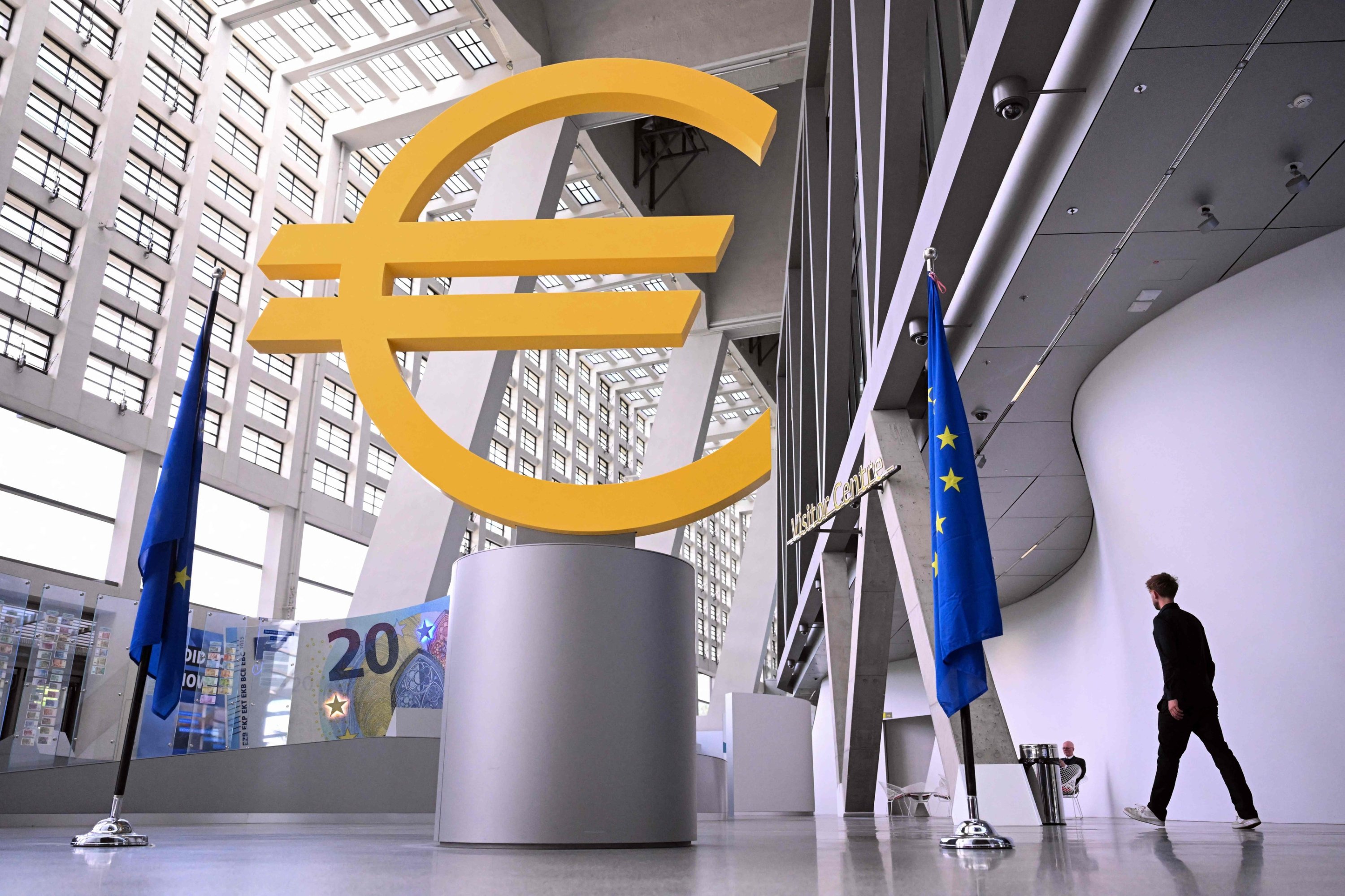
The Frankfurt tightening aims to curb the impact of high energy prices, but the bill comes to families, businesses and the State: heavier instalments, more expensive credit and greater pressure on accounts
Italy is critical while in the Eurogroup the Northern front insists on minimum flexibility for energy-related expenses
Interview with the head of macro research at Amundi: "Frankfurt does not want to repeat the mistake of 2022 when it moved late. The Fed should follow Europe's example"
Business Today: The best news, analysis and comment from The Irish Times business desk

Shin Hyun-song, governor of the Bank of Korea, reiterated the need to raise interest rates, citing persistent inflationary pressures from the Middle East war and rising housing prices. Speaking at a ceremony marking the…
