How the world covered it

Colombia President-Elect Breaks Cuba-Nicaragua Ties

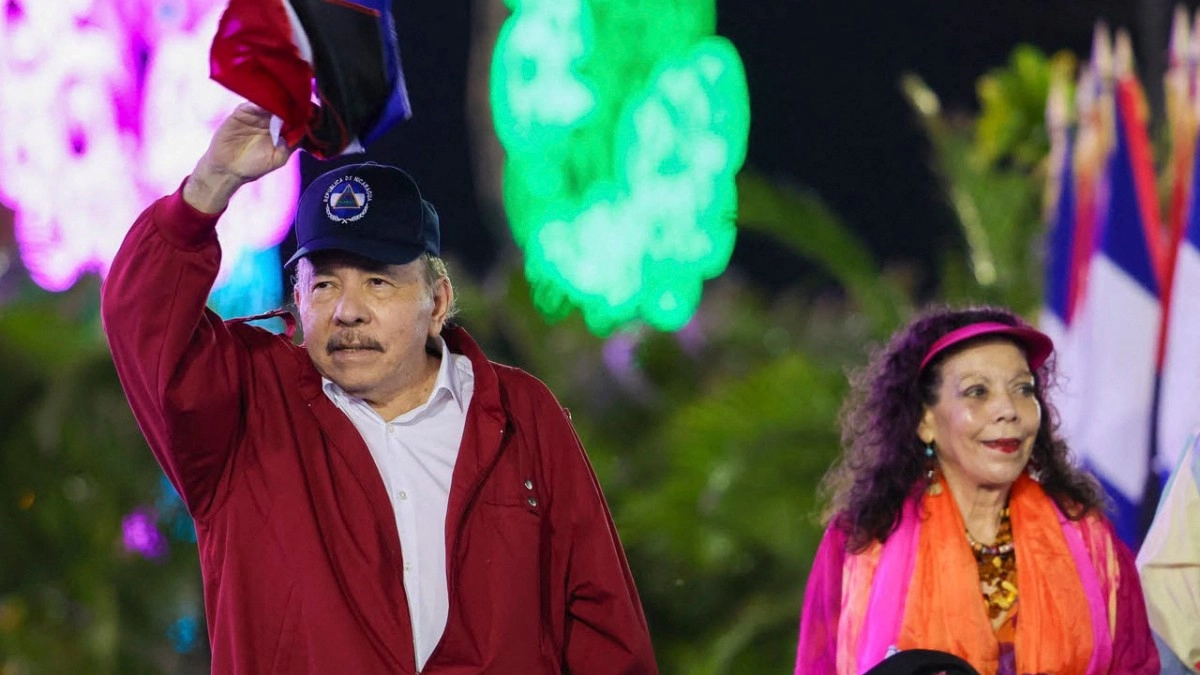
Colombia's president-elect Abelardo de la Espriella announcing he will break diplomatic relations with Cuba and Nicaragua—backed by Trump—signals a sharp rightward turn in Colombian foreign policy with major...

Editorial comparison

Brazilian and French outlets frame breaks as regional political realignment; Colombian outlet frames same moment through Venezuelan dialogue dynamics.

Folha de S.Paulo and Le Monde report that Colombia's president-elect 'will break diplomatic relations with Cuba and Nicaragua,' with Le Monde adding Trump backing for the decision. Both frame this as a regional political realignment story: a shift in Colombian foreign policy toward alignment with Trump-era positions.

El Tiempo reports the same announcement but frames it within Venezuelan dialogue context: 'Diosdado Cabello affirmed that the Government of Venezuela will ask to lift sanctions on the country in dialogue with the opposition; the US accompanies the process.' El Tiempo's article sequence positions the Cuban-Nicaraguan breaks as context for Venezuela-focused negotiations, suggesting Colombian regional strategy is defined by Venezuela dialogue rather than Cuban isolation.

El Tiempo's second article ('Nicaragua postpones to September the vote on the reform that seeks to veto the opposition') also contextualises Espriella's Nicaragua break within Nicaraguan opposition dynamics, while Folha and Le Monde treat the breaks as unilateral diplomatic statements. The divergence reflects whether Colombia's foreign policy is primarily defined by Trump alignment (Folha, Le Monde) or by Venezuela negotiation strategy (El Tiempo).

How each outlet opened the story

President-elect of Colombia announces he will break relations with Cuba and Nicaragua

Le Monde France

In Colombia, president-elect announces breaking diplomatic relations with Cuba, Nicaragua

El Tiempo Colombia

Diosdado Cabello: Venezuela will ask to lift sanctions in opposition dialogue

El Tiempo Colombia

Nicaragua postpones to September reform vote that seeks to veto opposition elections

Coverage map

What coverage agrees on, contests, or leaves unclear.

Broadly agreed
  • Both Folha de S.Paulo and Le Monde confirm Colombia's president-elect has announced plans to break diplomatic relations with Cuba and Nicaragua.
  • Multiple sources confirm Espriella received Trump's backing during the election campaign.
Contested framing
  • Brazilian and French outlets frame the breaks as a regional political realignment story; Colombian outlet El Tiempo frames the same moment through Venezuelan dialogue dynamics—different regional consequence framings.
Still unclear

When exactly Espriella will formally take office and implement the diplomatic breaks, and how Cuba and Nicaragua will respond, remain unverified from available summaries.

Notable omissions

No US outlet covers Colombia's diplomatic rupture announcement despite Trump's backing of Espriella being a central element of the story.

Regional framing

How different outlets describe the same story.

Brazilian

Folha de S.Paulo reports Espriella's stated intention to break ties with Cuba and Nicaragua, noting he received Trump's support, framing this through structural regional political realignment.

French

Le Monde frames Espriella as a narrow election winner who received US President Trump's backing, emphasising his ideological positioning as a right-wing pivot in Colombian politics.

Colombian

El Tiempo covers Venezuelan government dialogue with the opposition including US involvement, noting Diosdado Cabello's calls to lift sanctions—framing regional political dynamics from a Colombian institutional governance perspective.

Colombian

A second El Tiempo article covers Nicaragua postponing its electoral reform vote after international rejection, with Espriella's incoming government already committing to break relations—framing Bogotá's regional influence.

Source trail

Original reporting behind this perspective.

This page maps the coverage. The 4 articles below are the original reports the comparison is drawn from — open them for each publisher's full reporting.

Show 4 source articles
Perspective link copied