
Editorial comparison
SCMP and BBC address the same AI expansion but through entirely different harm frameworks: supply-chain strategy versus housing inequality in San Francisco.
SCMP frames US-China AI model quality comparison as strategically beside the point, focusing instead on supply-chain competition and data centre infrastructure logistics. BBC frames AI's primary consequence as housing inequality in San Francisco, where AI workers are driving real estate prices, making this a local displacement story rather than a tech competition narrative. Both are interpreting AI expansion through fundamentally different harm frameworks.
The Guardian frames data centres as an unambiguous environmental threat requiring accountability, emphasising energy and water consumption, heat discharge, and sustainability costs. CNA and Japan Times frame AI infrastructure as a business logistics matter—OpenAI launches models, Meta expands data centre fleets, Canadian provinces prepare lawsuits—treating expansion as commercial strategy rather than environmental or social policy problem.
How each outlet opened the story
CNA
Singapore
OpenAI to launch new model after US freeze
Japan Times
Japan
Beijing lets Chinese AI companies buy Nvidia chips
The Guardian
UK
Datacentres are ticking timebomb for environment
US AI models versus China may be beside point
Coverage map
What coverage agrees on, contests, or leaves unclear.
Broadly agreed
- Multiple sources confirm China's government is managing domestic AI company access to Nvidia H200 chips through a controlled approval process rather than banning access outright.
- Sources across regions agree that AI data centres are creating significant energy and environmental externalities that remain largely unregulated.
Contested framing
- SCMP frames US-China AI model quality comparison as strategically beside the point; BBC frames AI's primary consequence as housing inequality in San Francisco—both interpreting the same technology through entirely different harm frameworks.
- The Guardian frames data centres as an unambiguous environmental threat requiring accountability; CNA and Japan Times frame AI infrastructure as a supply-chain and business logistics matter.
Still unclear
Whether OpenAI's new model release following the US freeze will face additional regulatory constraints or proceed without further impediment has not been confirmed.
Notable omissions
No African or Latin American outlet covers AI governance or its infrastructure impacts despite both regions being significantly affected by AI-driven labour market changes.
Regional framing
How different outlets describe the same story.
Singaporean
CNA reports OpenAI launching a new model after a US regulatory freeze, treating it as a supply-chain logistics event in the AI product cycle.
Chinese
SCMP analyses whether US AI models are genuinely superior to China's, arguing the comparison may be beside the point as geopolitical AI competition reshapes the frame; also reports Beijing authorising Chinese AI companies to purchase Nvidia H200 chips under a controlled approval process.
British
The Guardian frames data centres as a 'ticking timebomb' consuming energy and water with costs that primarily benefit tech investors, demanding institutional accountability for AI's environmental footprint.
Australian
ABC Australia covers artists being warned to 'make a stand' against AI after a musician found a fake AI-generated tribute website replacing her official presence, foregrounding creative industry displacement.
Russian
TASS covers an expert calling for mandatory AI labelling in cinema when AI influences the final picture, framing it as a consumer information rights question.
Source trail
Original reporting behind this perspective.
This page maps the coverage. The 10 articles below are the original reports the comparison is drawn from — open them for each publisher's full reporting.
Show 10 source articles
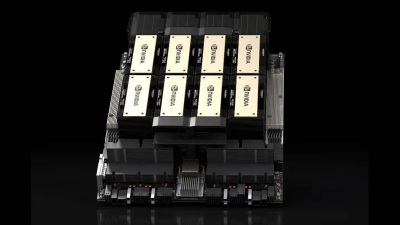
Beijing to let Chinese AI companies buy Nvidia H200 chips
The companies need to say how many chips they need — and why — to get approval.
Meta to build first data center in Canada in expansion of global fleet
The Sturgeon County, Alberta-based data center will be Meta's largest outside the U.S.

Datacentres are a ticking timebomb. We must make sure AI’s benefits outweigh the costs | Nicki Hutley
They suck up energy and water, and blast out heat. Just who is better off from all this investment – aside from tech bros?
Are the US’ AI models better than China’s? That may be beside the point
As another heatwave rolled across Europe, the warehouses emptied before the politics could catch up. Air conditioners and fans sold out across Spain, Italy and Germany, most of them Chinese.

Canadian province prepares lawsuit against OpenAI after school mass shooting
British Columbia said on Tuesday it was preparing a lawsuit against OpenAI over the company’s failure to report violent ChatGPT activity by the person who committed a mass school shooting in the western Canadian…


How to prevent Meta from using your Instagram images in AI
Meta did not notify people when their accounts were used to generate AI images.
Artists warned to 'be prepared to make a stand' against AI
Country-folk musician Jeanette Wormald was shocked when she found a fake AI-generated website "tribute" to her, in place of a site she thought had lapsed. But then she found disputes over her copyright on her music.