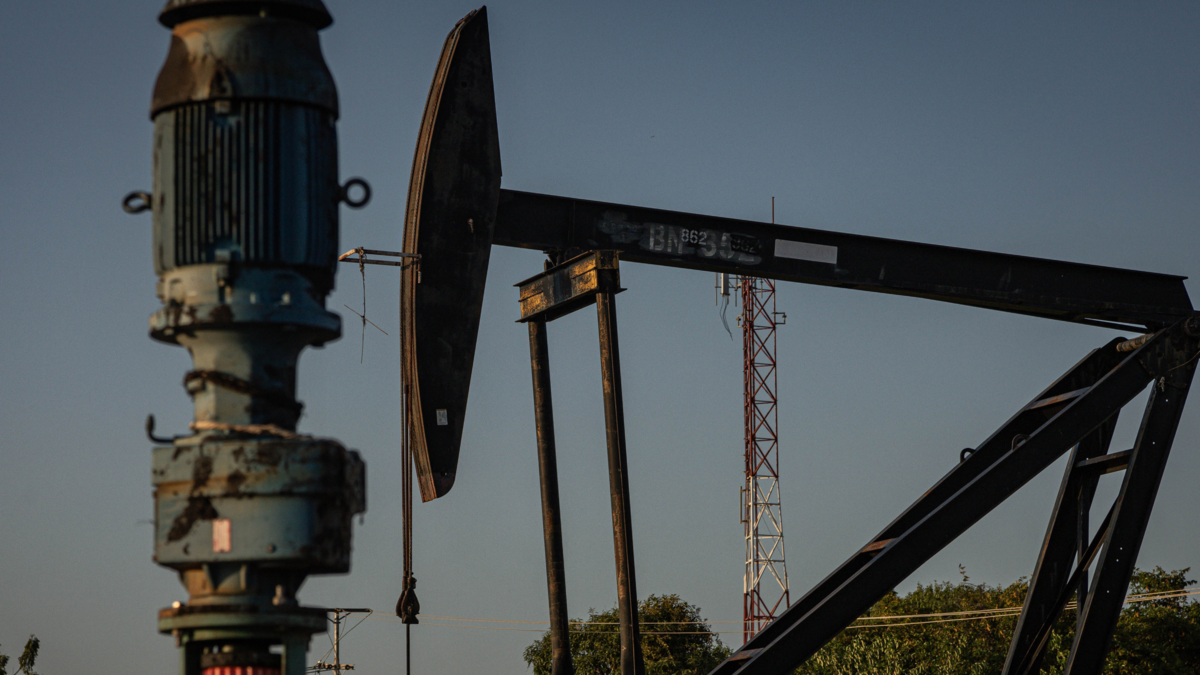
Venezuela is expected to receive $35 billion in oil revenues in 2026 amid US-backed democratic transition talks, but the opacity of how those funds will be used and the return of exiled opposition figures raises questions about whether the transition is substantive or performative.
3 sources5 articles5 perspectives
3Sources in this topicDifferent outlets covering the same story arc.
5Articles collectedThe full set backing this topic page right now.
3/5Narrative divergenceHover for scale explanation.
Narrative Divergence
How differently the sources covering this story frame it — measured by tone, emphasis, and what each outlet chooses to highlight or omit.
1 — Sources frame the story almost identically
2 — Minor differences in tone or emphasis
3 — Noticeable differences; some outlets highlight what others omit
Venezuela recibirá 35.000 millones de dólares por petróleo en 2026, pero el destino de los fondos sigue bajo la sombra: ¿en qué se invertirán?
Despite the expected increase in oil revenues, former representative José Guerra assures that Venezuelans do not perceive improvements in their income.
Governo interino da Venezuela e oposição se reúnem com respaldo dos Estados Unidos
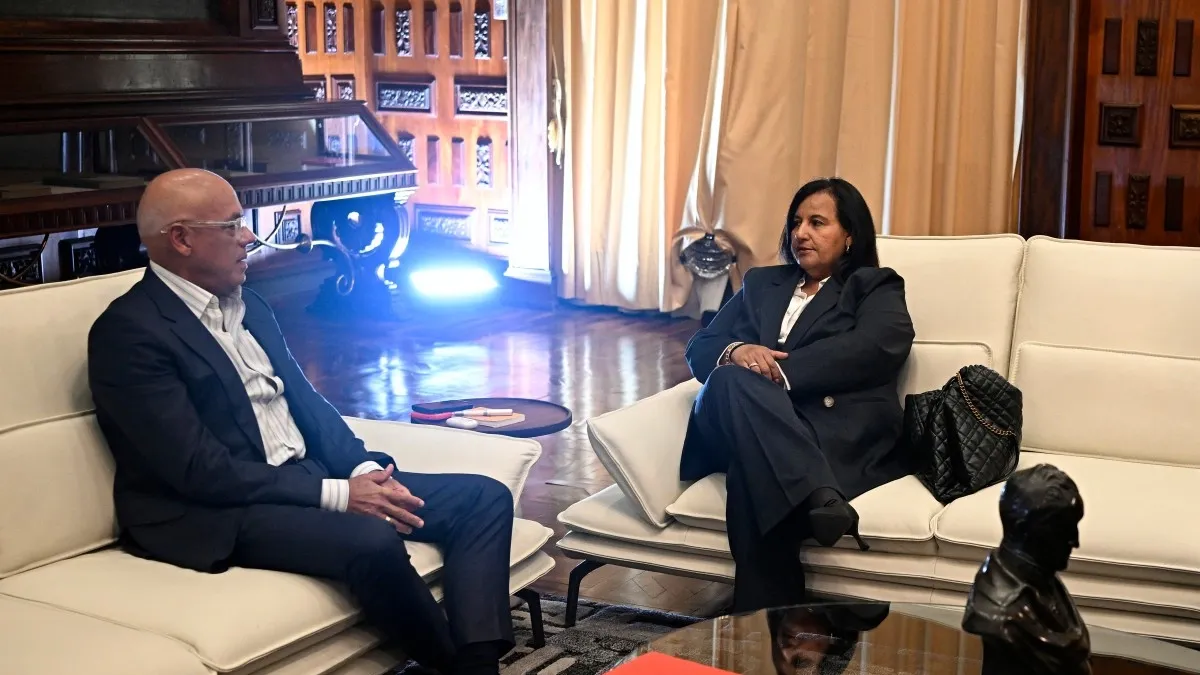
Venezuela's interim government and a former opposition deputy began a dialogue on a democratic transition this Thursday (18), with the support of the United States, the State Department announced. Read more…
The meeting between National Assembly chief Jorge Rodriguez and former Opposition lawmaker Dinorah Figuera — who returned to Caracas on Thursday (June 18) after eight years of exile — "is a first step in what will be a…
EE. UU. levanta sanciones a la aerolínea estatal Conviasa y a los servicios de telecomunicaciones y correo de Venezuela
After the capture of Maduro, Donald Trump's government is dismantling sanctions on Venezuela's economic sectors.
AI read
What the coverage agrees on, and where it splits
This view is generated from the clustered articles, so it is best read as a map of coverage rather than a replacement for the source reporting.
Broadly agreed
Multiple sources confirm US-backed talks between Venezuela's interim government and opposition figures on democratic transition are underway.
El Tiempo confirms Venezuela is expected to receive $35 billion in oil revenues in 2026 following partial sanctions relief.
Contested framing
El Tiempo foregrounds the opacity and non-delivery of oil revenues to ordinary Venezuelans; The Hindu frames the same talks as a straightforward diplomatic development without this accountability angle.
Folha de S.Paulo humanises the transition through exiled figures' personal stakes; El Tiempo frames it through institutional culpability and revenue transparency.
Still unclear
Whether the democratic transition talks will produce a credible new electoral authority, and how Venezuela's oil revenues will be allocated, are not confirmed by the available summaries.
Notable omissions
No covering source addresses the reaction of Venezuelan civil society or ordinary citizens to the ongoing talks and expected oil revenues.
Quality check
Talks and revenue projections are confirmed; actual transition credibility and revenue allocation remain opaque.
$35 billion oil revenue projection is confirmed by El Tiempo; US-backed talks are confirmed by multiple sources
Democratic transition substantiveness vs. performativeness is editorial judgment, not independently verified
How oil revenues will be allocated is explicitly unconfirmed—opacity is noted, not resolved
Venezuelan civil society and ordinary citizen reactions entirely absent—major stakeholder perspective missing
Review confidence: 65%
Signal strength
3/5Narrative divergence
3Sources compared
1Days in coverage
How each outlet frames this story
Divergence3/5
Narrative Divergence
How differently the sources covering this story frame it — measured by tone, emphasis, and what each outlet chooses to highlight or omit.
1 — Sources frame the story almost identically
2 — Minor differences in tone or emphasis
3 — Noticeable differences; some outlets highlight what others omit
4 — Stark contrasts; conflicting narratives
5 — Sources tell fundamentally different stories
Colombian
El Tiempo reports $35 billion in expected oil revenues but notes former opposition representative José Guerra says Venezuelans do not perceive any benefit — foregrounding the opacity of fund destination and governance accountability gap.
Brazilian
Folha de S.Paulo reports Venezuela's interim government and a former opposition deputy began US-backed dialogue on a democratic transition, framing it through the personal stakes of exiled political figures returning to negotiate.
Indian
The Hindu reports Venezuela's government and opposition held US-backed talks on democratic transition, presenting the dialogue as a factual diplomatic development.
Colombian
El Tiempo separately reports former opposition parliamentarian Dinorah Figuera returned to Venezuela to negotiate a credible electoral authority, framing it as the US's three-phase plan for Venezuela.
Colombian
El Tiempo reports the US lifted sanctions on Venezuela's state airline Conviasa and telecommunications services after Maduro's capture, contextualising the economic relief within Trump's broader Venezuela strategy.
Copied!
Related coverage
More topic clusters connected by category, source overlap, or narrative signal.