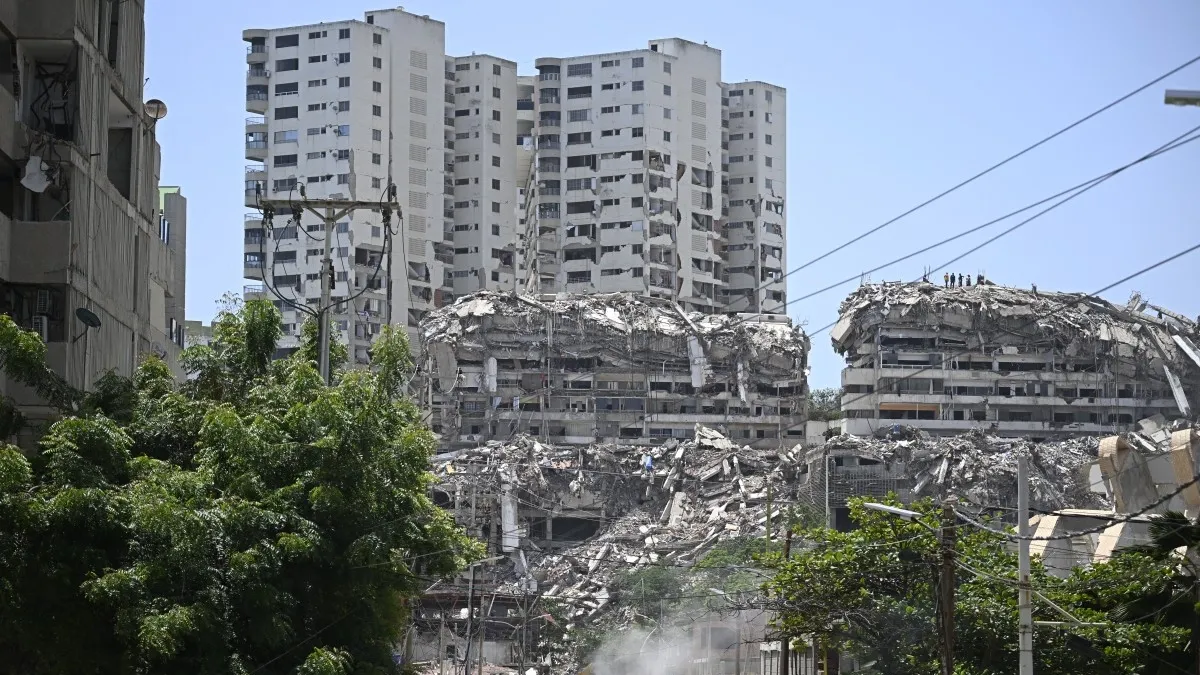
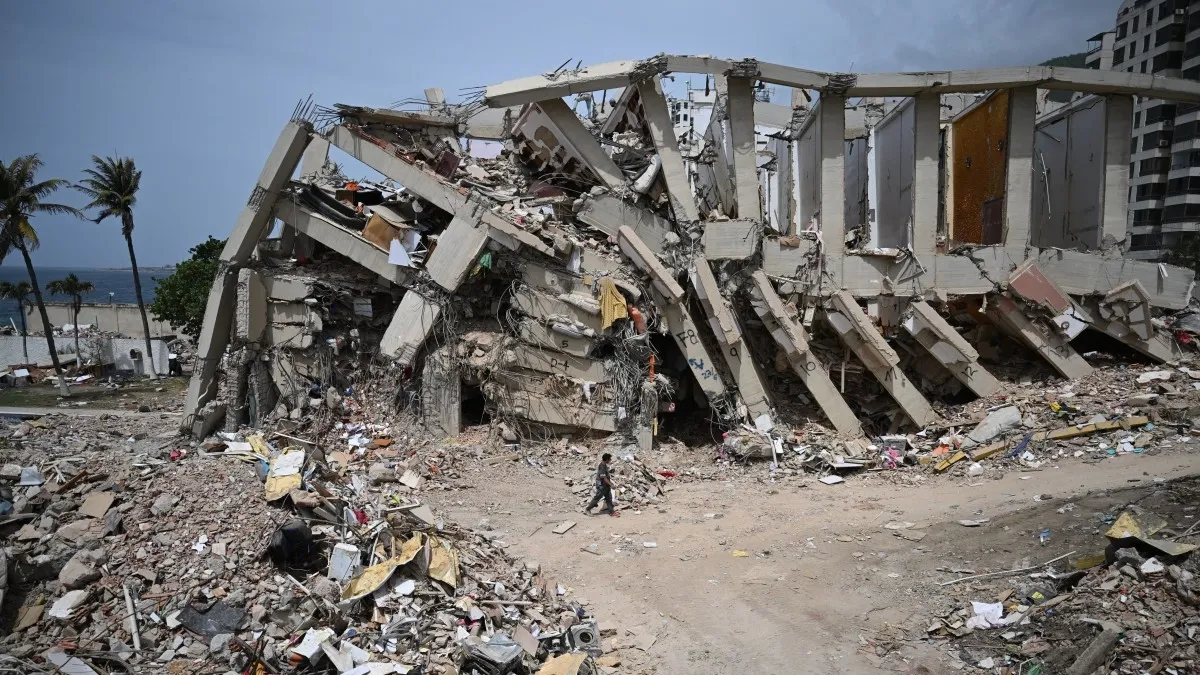
With the death toll from Venezuela's double earthquake now exceeding 5,346 and over 128,000 families affected, the disaster is forcing unprecedented political negotiations between the Maduro government and opposition while exposing the country's structural humanitarian fragility.
4 sources11 articles3 perspectives
4Sources in this topicDifferent outlets covering the same story arc.
11Articles collectedThe full set backing this topic page right now.
3/5Narrative divergenceHover for scale explanation.
Narrative Divergence
How differently the sources covering this story frame it — measured by tone, emphasis, and what each outlet chooses to highlight or omit.
1 — Sources frame the story almost identically
2 — Minor differences in tone or emphasis
3 — Noticeable differences; some outlets highlight what others omit
National Assembly President Jorge Rodriguez said on Telegram the death toll from the quakes reached at least 5,278, while the number reported injured remained at 16,740.
Governo Lula encerra hospital de campanha montado após terremotos na Venezuela
This Tuesday (21), the Brazilian government closed the operations of the field hospital set up in La Guaira, Venezuela, which provided support to those affected by the earthquakes at the end of June. Read more (07/21/2026 -…
Delcy promete entregar 4.000 casas a vítimas de terremotos até dezembro
The interim leader of Venezuela, Delcy Rodríguez, promised on Monday (20) that she will deliver 4,000 homes by December to people affected by the double earthquake that occurred almost a month ago. The regime also said that…
Después de los terremotos, ¿la democracia está más cerca o más lejos en Venezuela? / Análisis de Mauricio Vargas
In the midst of the destruction caused by the two earthquakes, which left 5,200 dead, the Government and opposition will discuss the agenda for the return of democracy.
'Alas de la Aurora': la misión humanitaria israelí que avanza en el rescate de cuerpos en Venezuela y abre la puerta a retomar relaciones
Through mapping and artificial intelligence they remain on the ground. Roni Kaplan, Israeli spokesperson, spoke with EL TIEMPO in Caracas.
AI read
What the coverage agrees on, and where it splits
This view is generated from the clustered articles, so it is best read as a map of coverage rather than a replacement for the source reporting.
Broadly agreed
Multiple sources confirm the death toll has risen to at least 5,278–5,346 with over 16,740 injured.
Sources confirm Brazil deployed and subsequently closed a field hospital in La Guaira, and the government is engaged in reconstruction efforts.
Contested framing
El Tiempo frames the disaster as a potential democratic opening; Folha de S.Paulo focuses on Lula's humanitarian decisions and structural accountability for promises made by Venezuelan authorities.
Colombian El Tiempo covers the Israel humanitarian mission 'Wings of Aurora' as opening doors to resumed Venezuela-Israel relations; no other source covers this diplomatic dimension.
Still unclear
Whether the political negotiations between Chavismo and the opposition, referenced by El Tiempo and Colombian sources, will produce concrete democratic concessions or remain symbolic remains publicly unconfirmed.
Notable omissions
No covering source examines the international humanitarian funding gap or the logistical constraints on reconstruction in Venezuela's collapsed economy, leaving the structural recovery challenge largely unaddressed.
Quality check
The earthquake's scale and immediate humanitarian response are confirmed, but whether this creates lasting political change or merely temporary cooperation remains speculative.
Death toll sources cite 5,278–5,346 with variation in reporting dates and sources; the range itself reflects genuine uncertainty in crisis accounting rather than false precision
Critical unknown: whether government-opposition 'political negotiations' referenced by El Tiempo sources will produce concrete democratic concessions or remain symbolic—this directly affects 'unprecedented political negotiations' claim in 'Why it matters'
El Tiempo reports on potential 'democratic opening' and disarmament negotiations, but these remain framed as possibilities without confirmation from opposition figures themselves
Significant omission: no source addresses international humanitarian funding gaps or reconstruction logistics within Venezuela's collapsed economy—the structural recovery challenge is largely absent
Review confidence: 70%
Signal strength
3/5Narrative divergence
4Sources compared
1Days in coverage
How each outlet frames this story
Divergence3/5
Narrative Divergence
How differently the sources covering this story frame it — measured by tone, emphasis, and what each outlet chooses to highlight or omit.
1 — Sources frame the story almost identically
2 — Minor differences in tone or emphasis
3 — Noticeable differences; some outlets highlight what others omit
4 — Stark contrasts; conflicting narratives
5 — Sources tell fundamentally different stories
Colombian
El Tiempo frames the earthquakes as a potential democratic inflection point — whether democracy is closer or further as the government and opposition negotiate amid destruction — and covers Israel's humanitarian mission as opening a path to resuming bilateral relations.
Brazilian
Folha de S.Paulo covers Lula closing the field hospital in La Guaira and Delcy Rodríguez's promise to deliver 4,000 homes by December, framing Brazilian humanitarian engagement with structural accountability for the interim leadership's promises.
Japanese
Yahoo Japan reports citizen outrage one month after the Venezuela earthquake, framing it as a story of popular frustration with the pace of recovery.
Copied!
Related coverage
More topic clusters connected by category, source overlap, or narrative signal.