International rescue teams have begun closing up operations as deaths in Venezuela double quakes approach 3,000. Families are still looking for signs of their missing loved ones.
How the world covered this
Read the editorial comparison
Prose synthesis of how each outlet framed the story, with side-by-side outlet quotes and divergence notes.
19 articles from 8 sources
01
02
Suben a 2.954 los fallecidos y a 16.592 los heridos por los terremotos en Venezuela
According to the official balance, 6,462 people were rescued and 16,309 lost their homes, so 80 temporary camps were set up.

03
La desgarradora historia de Erika Fernández tras sobrevivir a los terremotos de Venezuela y perder a sus familiares: 'Todo superó la palabra dolo'
The woman looks for seven of her relatives under the rubble, in hospitals and even in morgues.

04
De Bogotá a La Guaira: así trabaja Dastan, el perro colombiano enviado para encontrar sobrevivientes del terremoto en Venezuela
According to official figures, 6,462 people have been rescued alive with the support of 27 international delegations working with 137 dogs.

05
The government has not given any estimates, but the United Nations has estimated as many as 50,000 are unaccounted for following the 7.2 and 7.5 magnitude shocks.
06
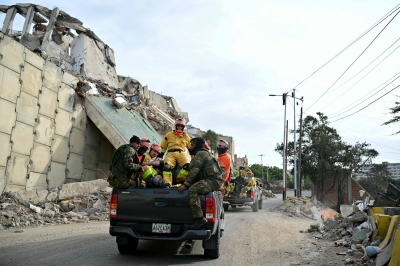
Rescue operations to search for survivors are still underway

07
Venezuela’s devastating twin earthquakes have killed nearly 3,000, official figures showed on Saturday, as international rescue teams began winding down search operations for survivors in the rubble. Fatalities jumped…

08
On July 4, the government raised the official death toll to 2,954.
09
Sobe para 2.954 o número de mortos em terremotos na Venezuela
Ten days after the earthquakes that devastated regions in Venezuela, the regime updated the death toll to 2,954 people. According to the most recent balance released this Saturday (4), there are still 16,592 injured.
10
Entidades lançam campanhas em apoio à Venezuela; saiba como doar no Brasil
Several entities in Brazil have started donation campaigns for the Venezuelan people, who are facing the consequences of two earthquakes. According to the official balance released this Saturday (4), 2,954 people died and more than 16…
11
Brasil envia seis toneladas de vacinas, medicamentos e insumos à Venezuela
This Saturday (4) Brazil sent a load of six tons of vaccines, medicines and supplies to Venezuela. There are already 2,954 dead and 16,592 injured after the earthquakes that devastated regions of the country, especially the state…
12
O difícil e longo trabalho de apoio às crianças traumatizadas pelos terremotos na Venezuela
A stadium transformed into a shelter for victims: in La Guaira, the UN runs a camp for people displaced by the earthquakes that hit Venezuela, where many families with children are crowded…
13
3 razões para tantos prédios desabarem nos terremotos da Venezuela
The devastation caused by the two earthquakes, of magnitude 7.2 and 7.5, that hit Venezuela on June 24 was so great that many began to wonder why so many buildings collapsed, leaving thousands of…
14
Among the rubble and dust, stories of miraculous survival and resilience emerge from Venezuela.
15
Ni la caída de Maduro cambió tanto a Venezuela como el doble terremoto: denuncian ausencia estatal a una semana de la tragedia
The catastrophe altered the political situation, stopped reforms and turned reconstruction into the new center of dispute.

16
Equipo de María Corina Machado denuncia la desaparición de 'El Topo de La Guaira', voluntario que criticó la gestión del terremoto en Venezuela
The man last seen on the 1st. July while participating in rescue efforts in the OPP-26 Caribe, in La Guaira.

17
Nuevo balance este 3 de julio tras los terremotos en Venezuela: suben a 2.645 los muertos y a 12.666 los heridos; aquí cifras de rescates y réplicas
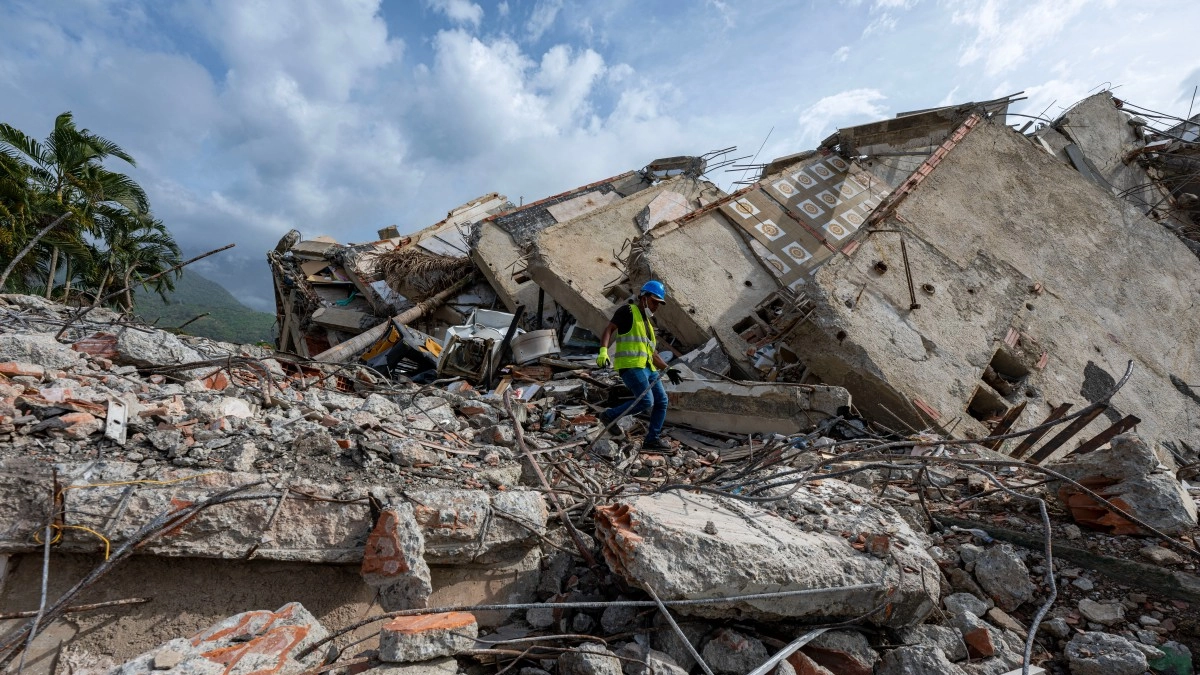
According to authorities, 6,462 people were rescued from 885 collapsed buildings in the country.
18
A nueve días del terremoto, Venezuela se enfoca en la asistencia y el rescate de cadáveres: 'Hasta que no recupere los cuerpos, no estaré tranquilo'
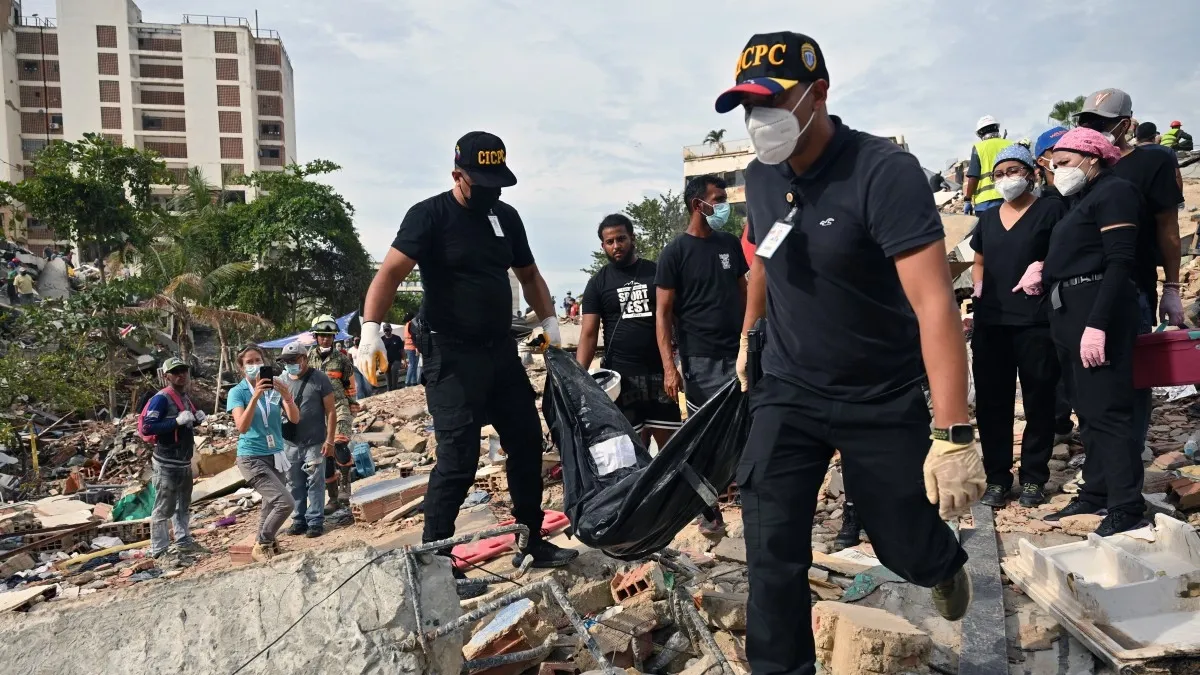
The most recent official balance this Friday raised the number of deaths to 2,645. The situation is aggravated by the handling of the corpses.
19
El emotivo mensaje de Cristiano Ronaldo para cumplir el sueño de un niño herido tras doble terremoto en Venezuela: 'Te quiero invitar a un partido'
The Portugal player spoke out in the midst of the emergency that the country is facing due to the strong earthquakes.

AI read
What the coverage agrees on, and where it splits
This view is generated from the clustered articles, so it is best read as a map of coverage rather than a replacement for the source reporting.
Broadly agreed
- All covering sources confirm the official death toll stands at approximately 2,954 with 16,592 injured and over 6,462 rescued alive.
- Multiple sources confirm international rescue teams are beginning to close operations as hope of finding survivors dims.
- Sources agree Venezuela has experienced more than 800 aftershocks since June 24.
Contested framing
- Folha de S.Paulo frames the disaster through institutional failure and governmental inadequacy; TASS frames the same moment through political solidarity with Maduro's government.
- El Tiempo covers state absence as a central theme citing opposition voices; Deutsche Welle frames it through humanitarian governance challenges without assigning political blame.
Still unclear
The UN's estimate of up to 50,000 unaccounted for has not been confirmed or denied by the Venezuelan government, and the actual scale of structural collapse across affected regions remains unverified.
Notable omissions
People's Daily provides no coverage of the Venezuelan earthquake; Al Jazeera Arabic's entertainment-saturation pattern means the disaster receives no dedicated coverage despite its global humanitarian significance.
Quality check
Consensus figures are solid; treat unaccounted-for estimates and governance blame as contested.
- UN estimate of 50,000 unaccounted for is explicitly unconfirmed by Venezuelan government; headlines cite this as fact
- Death toll of 2,954 is official figure but sources describe it as potentially understated
- Framing of governance failure vs. political solidarity is genuinely contested but 'Why it Matters' presents only the critical framing
Review confidence: 88%
Signal strength
3/5
Narrative divergence
8
Sources compared
0
Days in coverage
How each outlet frames this story
Divergence
3/5
Narrative Divergence
How differently the sources covering this story frame it — measured by tone, emphasis, and what each outlet chooses to highlight or omit.
1 — Sources frame the story almost identically
2 — Minor differences in tone or emphasis
3 — Noticeable differences; some outlets highlight what others omit
4 — Stark contrasts; conflicting narratives
5 — Sources tell fundamentally different stories
German
Deutsche Welle reports international rescue teams are closing operations as deaths approach 3,000, emphasizing the closing humanitarian window and governance challenges in a de-escalatory institutional framing.
Brazilian
Folha de S.Paulo covers the more than 800 aftershocks, Brazil's six-ton aid shipment, and the 'difficult work of supporting traumatized children,' integrating personal testimony with systemic accountability analysis of institutional rescue failures.
Colombian
El Tiempo uses a Colombian search-and-rescue dog story and a survivor's heartbreaking account to humanize the disaster, reporting the official toll of 2,954 dead and 6,462 rescued alive.
Japanese
Japan Times reports the death toll rising to nearly 3,000 and notes the UN estimates 50,000 unaccounted for, framing the disaster through factual consequence documentation.
Australian
ABC Australia focuses on stories of miraculous survival including 18-day-old babies and puppies found alive amid rubble, using human-interest framing to represent hope amid tragedy.
Singaporean
Straits Times reports a survivor recounting days beneath the rubble as the official toll was raised to 2,954, presenting the story through factual documentation without political framing.
Chinese
SCMP reports the death toll rising to nearly 3,000 with international rescue teams present, framing it as a humanitarian crisis without political analysis of Venezuelan governance.
Indian
The Hindu reports rescue operations still underway with the death toll nearing 3,000, maintaining factual documentation without governance critique.