Fabiana was trapped in the rubble of a 10-storey residential building after two earthquakes rocked Venezuela in June.
How the world covered this
Read the editorial comparison
Prose synthesis of how each outlet framed the story, with side-by-side outlet quotes and divergence notes.
15 articles from 6 sources
01

02
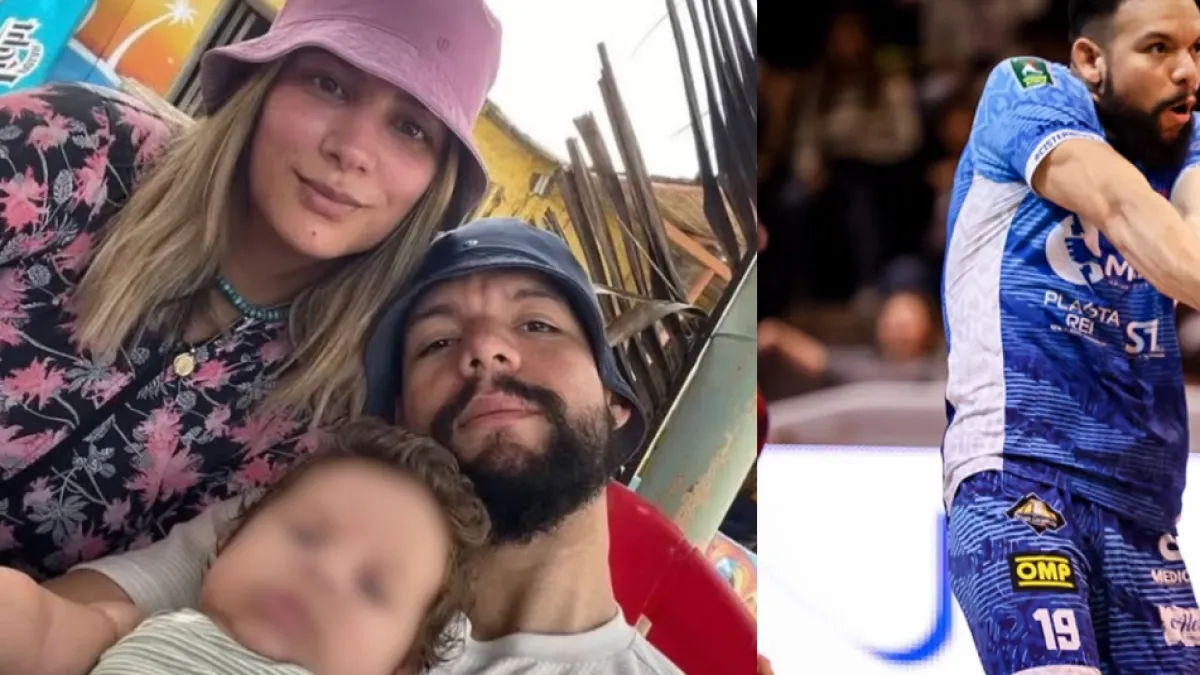
Hallan sin vida a Willner Rivas, capitán de la selección de voleibol de Venezuela, junto a su esposa e hijo tras el doble terremoto
The Spanish club CV Guaguas confirmed the death of the player, found under the rubble of his home in La Guaira along with his family.
03
Hernan Gil was working his shift as a security guard in the basement of a building in Venezuela on the afternoon of June 24 when he felt the earth shake. The first tremor was short, Gil recounted in an interview from…

04
Venezuela’s interim president said on Sunday the country would not descend into social unrest after the twin earthquakes which killed more than 3,300 people and left thousands more missing. One of Latin America’s worst…

05
Número de mortos na Venezuela após terremotos sobe para 3.342
Twelve days after the earthquakes that hit Venezuela, the country's government updated the number of deaths caused by the disaster to 3,342. According to the balance sheet released this Sunday (5),…
06
Terremotos erodem lua de mel com Delcy na Venezuela e desnudam a ditadura
A week ago, in the lobby of Miami airport, Florida, María, a 68-year-old Venezuelan who was traveling to Maracay, Venezuela, to help her son's family after the earthquakes, said she feared the political implications...
07
'O mais difícil foi sair', diz venezuelano resgatado após passar 8 dias soterrado
Hernán Gil was working his shift as a watchman in the basement of a building in Venezuela on the afternoon of June 24, when he felt a jolt on the floor. The first tremor was short, Gil said in an interview with the AFP agency in…
08
Séisme au Venezuela : le bilan s’élève désormais à plus de 3 300 morts, des dizaines de corps enterrés sans avoir pu être identifiés
The authorities announced the deaths of 3,342 people and gave the figure of more than 16,000 injured. The hope of finding the missing is dwindling.
09
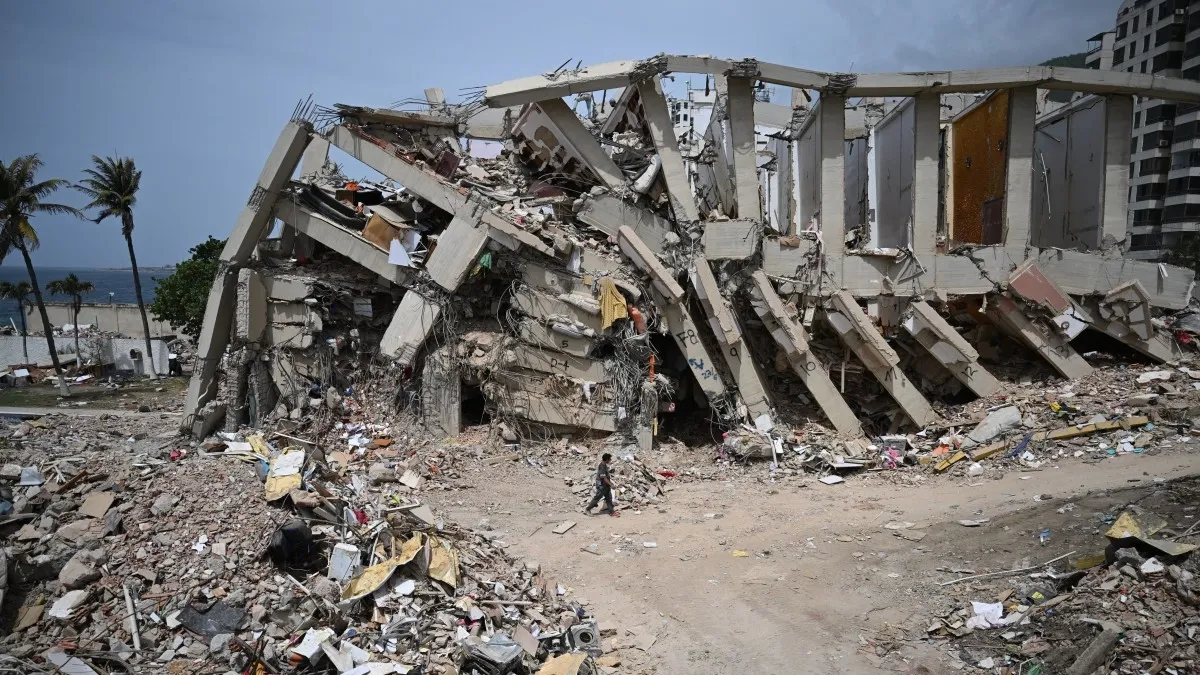
Venezuela comienza a retirar escombros, mientras la ONU alerta por desplazados tras terremoto: Delcy Rodríguez descarta un 'estallido social'
Despite the gradual withdrawal of international brigades, volunteers, firefighters, and Civil Protection personnel continue searching for bodies.
10
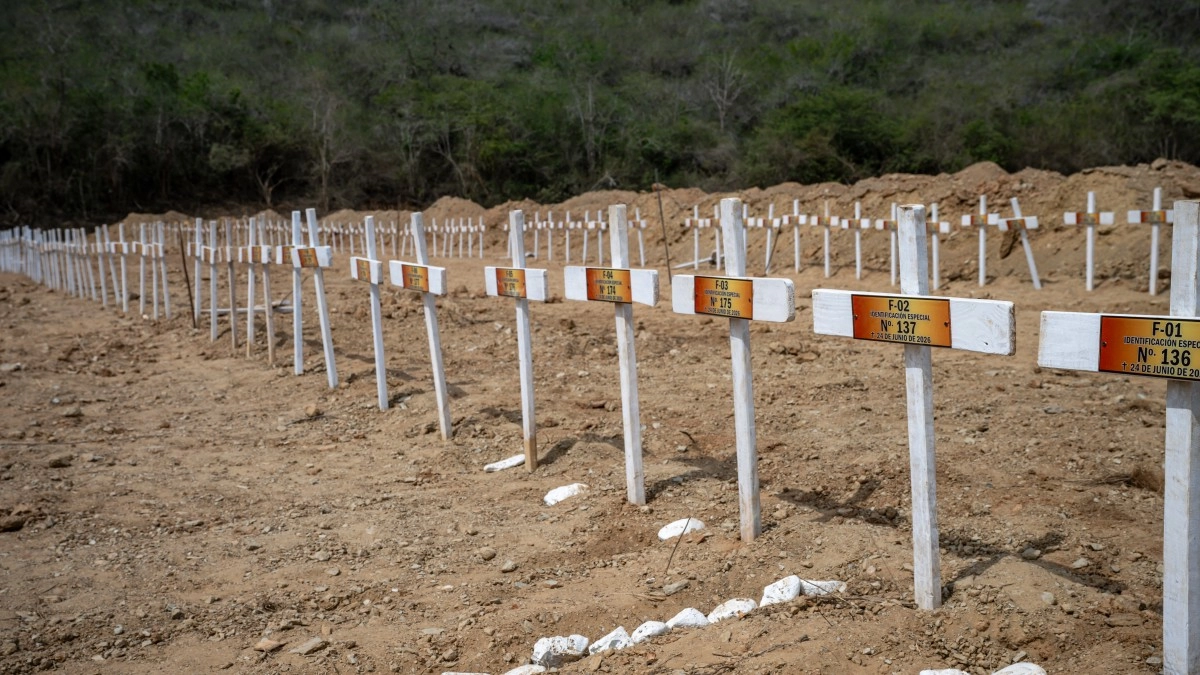
La cifra de muertos en Venezuela ya supera las 3.000 personas tras el doble terremoto; los heridos ascienden a 16.740
The earthquakes of June 24 are the deadliest in the last century in Venezuela. More than 17,345 people were also left homeless.
11
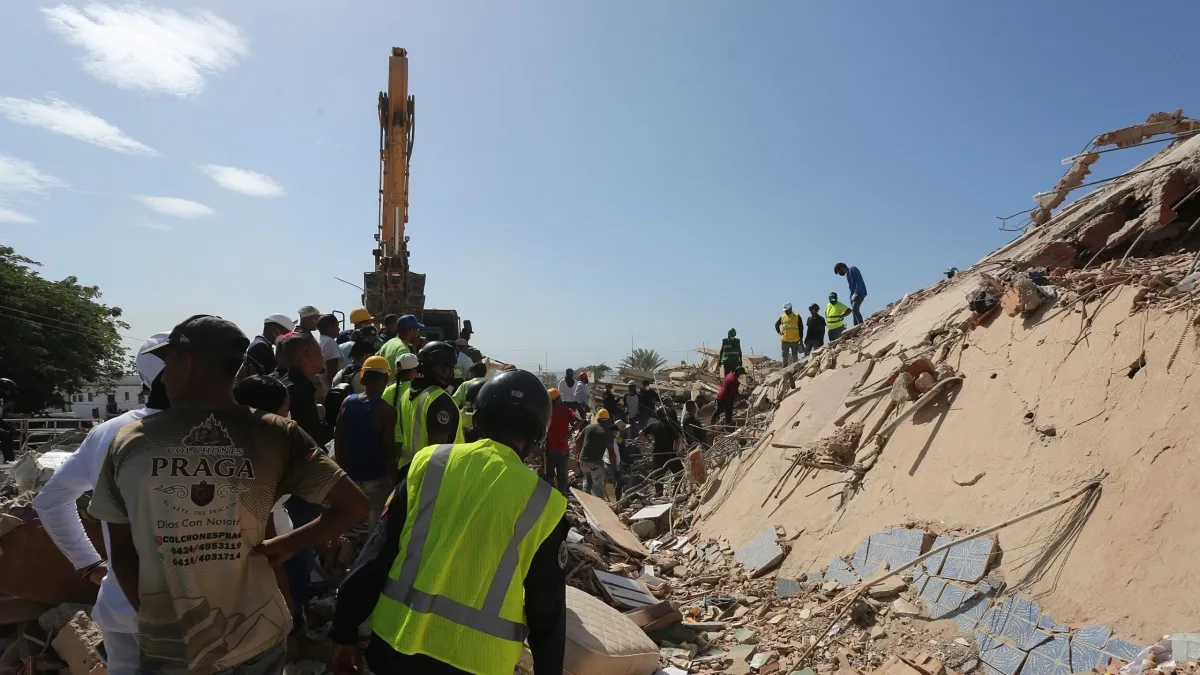
La ONU confirma el fin de la fase de rescates internacionales en Venezuela tras salvar a 14 personas: el vigilante Hernán Gil fue el último encontrado
The Venezuelan Government estimates that more than 6,400 people have been rescued since the first hours of the double earthquake on June 24, which left almost 3,000 dead.
12
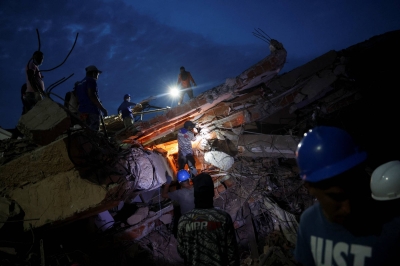
The "angel," a former military nurse, spoke to one trapped survivor for four and a half hours during a rescue, hoping he would stay alive. It worked.
13
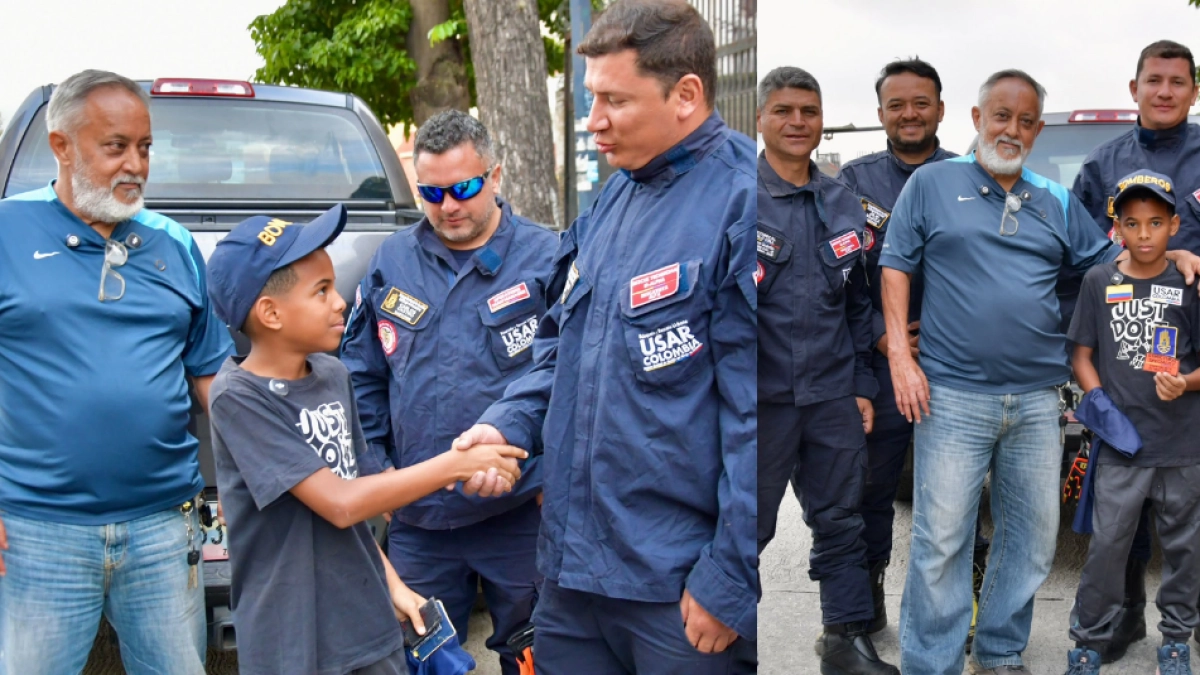
Niño rescatado por el equipo colombiano USAR COL-1 tras los terremotos en Venezuela se reencontró con los socorristas en un emotivo homenaje
The minor and his father thanked the Colombian rescuers for the operation that allowed them to rescue him alive after two days under the rubble.
14
Venezuela é atingida por mais de 800 tremores nos dez dias após terremotos gêmeos
The territory of Venezuela has been the target of more than 800 aftershocks -or small earthquakes- since June 24, when two tremors of magnitudes 7.2 and 7.5 devastated a large part of the country. Read more (04/07/2026 - 23:00)
15
Entidades lançam campanhas em apoio à Venezuela; saiba como doar no Brasil
Several entities in Brazil have started donation campaigns for the Venezuelan people, who are facing the consequences of two earthquakes. According to the official balance released this Saturday (4), 2,954 people died and more than 16…
AI read
What the coverage agrees on, and where it splits
This view is generated from the clustered articles, so it is best read as a map of coverage rather than a replacement for the source reporting.
Broadly agreed
- All covering sources confirm the death toll exceeded 3,300 with over 16,000 injured and more than 17,000 left homeless.
- Multiple sources confirm the UN declared the end of the international rescue phase, with 14 survivors extracted by international teams.
- Sources broadly confirm the Venezuelan government has sought to suppress narratives of social unrest or political instability.
Contested framing
- Folha de S.Paulo frames the earthquake as a political catalyst exposing authoritarian governance failures; Venezuelan government statements carried by El Tiempo frame the response as effective and controlled.
- BBC uses individual survivor stories to implicitly interrogate institutional rescue capacity; El Tiempo foregrounds regional solidarity and Colombian rescue heroism rather than governance critique.
Still unclear
The true number of people still missing under rubble and whether the government's official casualty figures are accurate and complete remain unconfirmed across summaries.
Notable omissions
No outlet in the cluster addresses the long-term reconstruction financing mechanism, insurance frameworks, or international aid commitments beyond immediate rescue operations.
Quality check
Immediate humanitarian facts are solid; government accountability framing varies significantly.
- Official casualty figures may be incomplete; true missing-person count unconfirmed
- Framing divergence: political catalyst vs. effective response narrative
- No coverage of reconstruction financing, insurance, or long-term aid mechanisms
Review confidence: 82%
Signal strength
3/5
Narrative divergence
6
Sources compared
2
Days in coverage
→ stable
How each outlet frames this story
Divergence
3/5
Narrative Divergence
How differently the sources covering this story frame it — measured by tone, emphasis, and what each outlet chooses to highlight or omit.
1 — Sources frame the story almost identically
2 — Minor differences in tone or emphasis
3 — Noticeable differences; some outlets highlight what others omit
4 — Stark contrasts; conflicting narratives
5 — Sources tell fundamentally different stories
British
BBC leads with a personal survival story — a girl eating ketchup and cheese for 32 hours — deploying humanistic consequence framing to illuminate rescue capacity failures.
Colombian
El Tiempo uses the Venezuelan volleyball captain found dead with his family and the reunion of a rescued child with Colombian rescue workers to frame the disaster as both human tragedy and a showcase of regional solidarity.
Chinese
SCMP focuses on a survivor sharing his ordeal after eight days buried alive, using personal testimony to document institutional rescue capacity and timeline.
Brazilian
Folha de S.Paulo frames the earthquake as exposing the Maduro succession's 'honeymoon' illusion and laying bare the dictatorship's governance failures, integrating political accountability with humanitarian narrative.
French
Le Monde reports the death toll at over 3,300 with dozens of bodies unable to be identified, focusing on institutional capacity to handle mass casualty identification.
Japanese
Japan Times profiles a former military nurse dubbed 'the angel' who spoke to a trapped survivor for four and a half hours during rescue, emphasising individual heroism within institutional context.