With tens of thousands of people missing, relatives face another night waiting for news of loved ones as the crucial window for locating survivors closes.
How the world covered this
Read the editorial comparison
Prose synthesis of how each outlet framed the story, with side-by-side outlet quotes and divergence notes.
49 articles from 14 sources
01


03
CARACAS, June 28 (Reuters) - Rescue teams raced on Sunday to find more survivors of the two powerful earthquakes that struck Venezuela this week, with signs of life bringing occasional relief to a grim quest to whittle…

04
RESCUE workers carry a baby rescued from the rubble in La Guaira.—Reuters • Death toll from deadly quakes rises to 1,450, with tens of thousands still missing • Newborn, two boys pulled out alive from rubble after three…
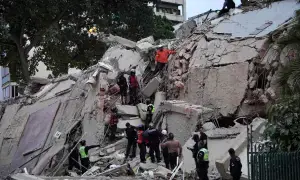
05
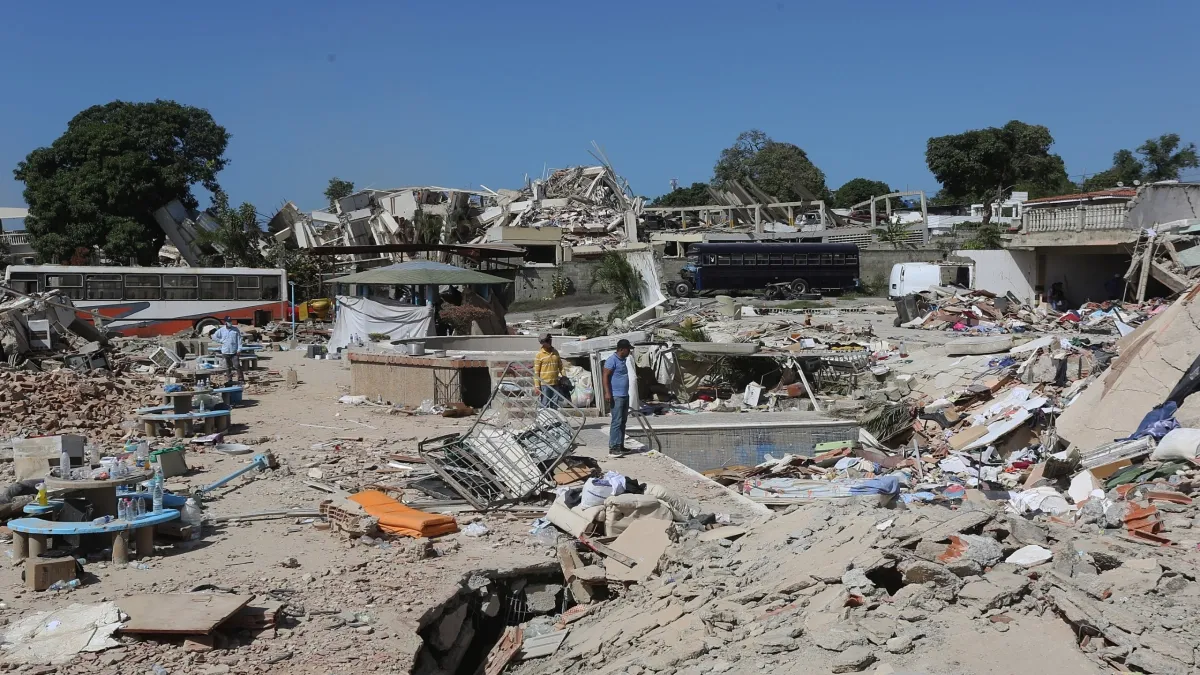
Rescatan a 33 personas con vida este domingo en Venezuela; llevaban más de 72 horas atrapadas entre los escombros tras el terremoto
Delcy Rodríguez said that the country is in a crucial period for finding survivors, when four days have already passed.
06
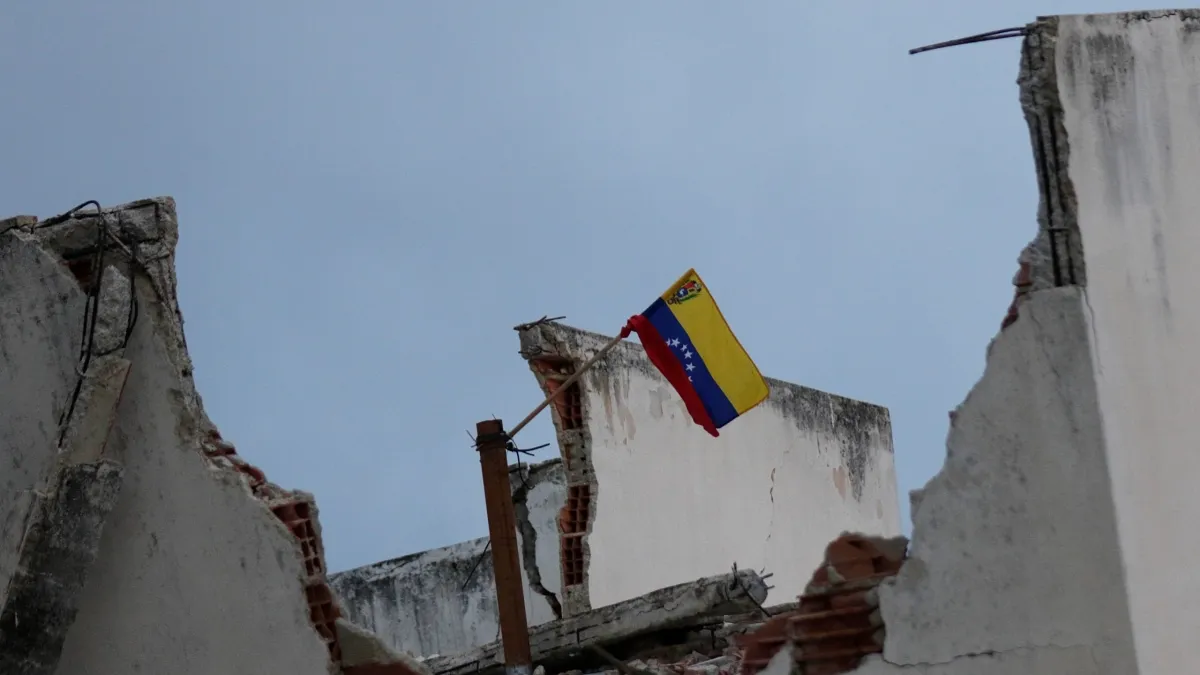
La ayuda para Venezuela tras los terremotos, atrapada entre el control del Estado y el desespero de las personas; así avanzan los operativos
As international brigades intensify the search, criticism of restrictions grows. The disaster already leaves 1,450 dead and 3,150 injured.
07
Government reports 1,450 dead from the quakes as it faces growing criticism over response

08
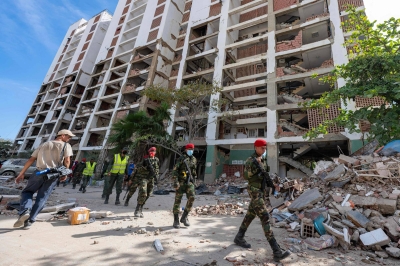
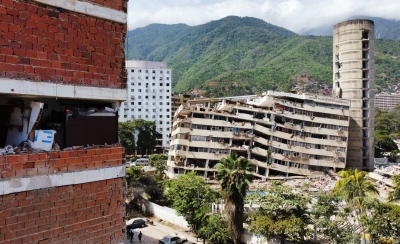
Emergency teams are searching for any remaining survivors after twin earthquakes caused nearly 200 buildings to completely collapse.
09
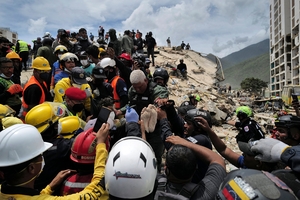
Their discovery gives hope to rescue workers racing against the clock to find more survivors.
10
Rescue teams raced Sunday to find more survivors of the two powerful earthquakes that struck Venezuela, with signs of life bringing occasional relief to a grim quest to whittle down a list of tens of thousands missing.…
11
Número de mortes após terremotos na Venezuela sobe para 1.450
The president of the National Assembly of Venezuela, Jorge Rodríguez, announced this Sunday (28) that the number of deaths in the country reached 1,450 after two earthquakes hit the country last Wednesday (24). Read more…
12
The rescues of two 11-year-old boys trapped after days in the rubble of the earthquakes in Venezuela
Os resgates de dois meninos de 11 anos presos após dias nos escombros dos terremotos na Venezuela
Two 11-year-old boys were rescued from the rubble of buildings that collapsed in the strong earthquakes that hit Venezuela this week. The two were buried in different locations.
13
Homem é resgatado dos escombros quatro dias após terremoto na Venezuela
A man was rescued alive from the rubble of a building this Sunday (28), in La Guaira, four days after two fatal earthquakes hit the coastal region of Venezuela. Read more (06/28/2026 - 9:45 pm)
14
Famílias lideram buscas de corpos na Venezuela e se revoltam com autoridades
Until four days ago, this was the rest destination, the beach for the residents of Caracas, just 1 hour by car from the capital of Venezuela. Read more (06/28/2026 - 7:54 pm)
15
Esperança de encontrar sobreviventes diminui, dizem equipes na Venezuela
The hope of finding survivors amid the rubble in Venezuela is diminishing little by little, say members of the rescue teams on the front line of operations on this, which is the fourth day after the strong earthquakes...
16
A Venezuela estava prestes a renascer; então mais um desastre aconteceu
Venezuela's economy began to collapse so severely more than a decade ago that hospitals were dismantled, blackouts became omnipresent and even the most basic products disappeared from...
17
LA GUAIRA, Venezuela, June 28 - I was lying on my bed, thinking about watching the Brazil soccer game — I can't even remember who they were playing — when the bedframe started moving like a mechanical bull.
18
Some 3,150 people remained injured, 12,721 have been displaced, and 774 buildings have collapsed.
19
Families and volunteers spent days pulling survivors and bodies from the rubble.
20
The clash over credit for relief effort highlights a much larger, high-stakes battle for political survival.
21
One hurdle is that Machado lacks a valid Venezuelan passport and requires permission to travel.
22
Survivors of Venezuela's devastating earthquakes are being cared for at a makeshift hospital formed on the site of a country club in Caraballeda.

23
Residents in quake-affected areas have expressed anger over the state's efforts to locate survivors and help victims, the BBC's Orla Guerin reports.

24
Families keep vigil at buildings where they fear their loved ones are trapped, but face an impossible task to move heavy debris.

25
Rescue teams are working ceaselessly to reach those trapped under rubble. But as hope fades, anger is growing.

26
Venezuelans dig through rubble as quake toll reaches at least 920 with over 51,000 missing The Times of Israel
27
Frustration mounts in Venezuela as earthquake death toll reaches 1,430 The Times of Israel
28
Israeli aid groups begin operations in Venezuela, with more teams en route The Times of Israel
29
Venezuela's Jewish community launches crowdfunding campaign for relief, recovery from quake The Times of Israel
30
ベネズエラ地震 32時間後乳児救出
31
ベネズエラ地震発生72h 懸命捜索
32
ベネズエラ地震 死者1400人超
33
Venezuela hoy 28 de junio tras terremotos: 2.700 rescatistas, 521 toneladas y 86 equipos caninos han llegado para apoyar misión humanitaria
More than 24 countries are sending supplies and search specialists to address the emergency, while care continues in the most affected areas.
34
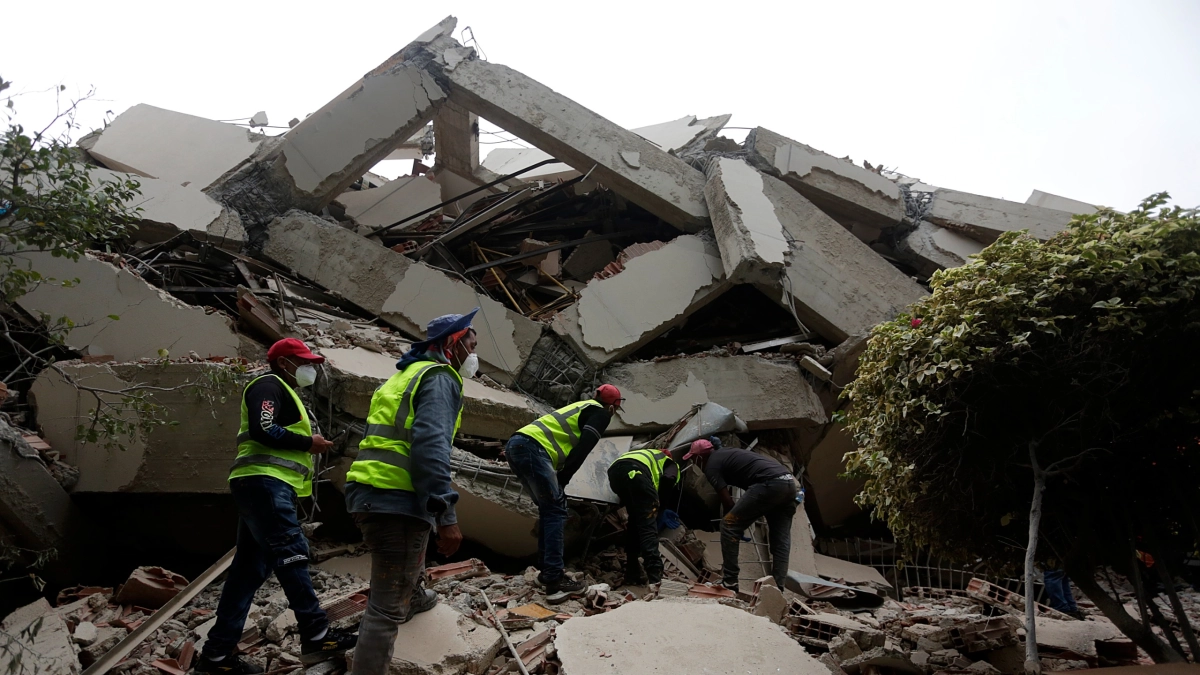
Venezuela continúa atrapada bajo los escombros de una crisis anunciada, mientras la ventana para encontrar personas con vida se cierra
Two earthquakes buried buildings in La Guaira and Caracas in 39 seconds, leaving at least 1,430 dead and exposing decades of institutional abandonment.
35
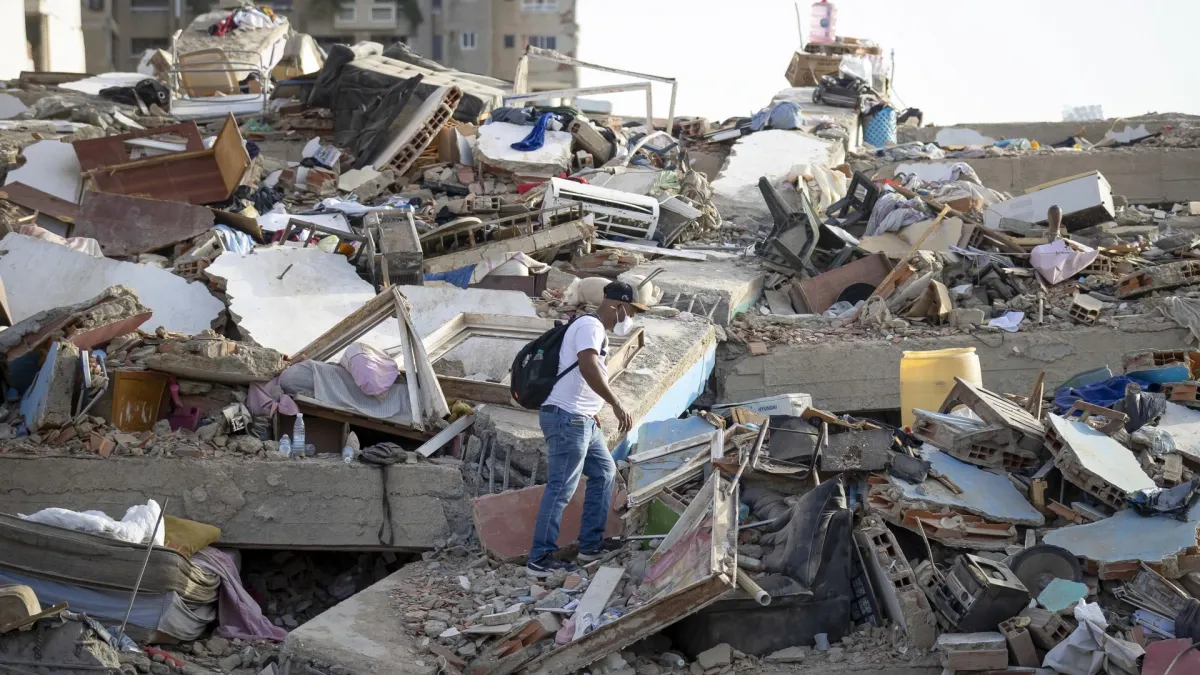
‘Una de las imágenes que me persigue es la de un hombre señalando los escombros de su casa’: doloroso relato de periodista desde lugar de la tragedia
For Ayrton Monsalve, a journalist who returned to Venezuela after a year of exile, the help among citizens contrasts with the absence of the state.

36
Ministerio de Salud define cómo Colombia enviará ayuda médica a Venezuela tras los terremotos: así será el procedimiento
The Government confirmed that more than 3,900 bags were sent for the dignified handling of deceased people.

37
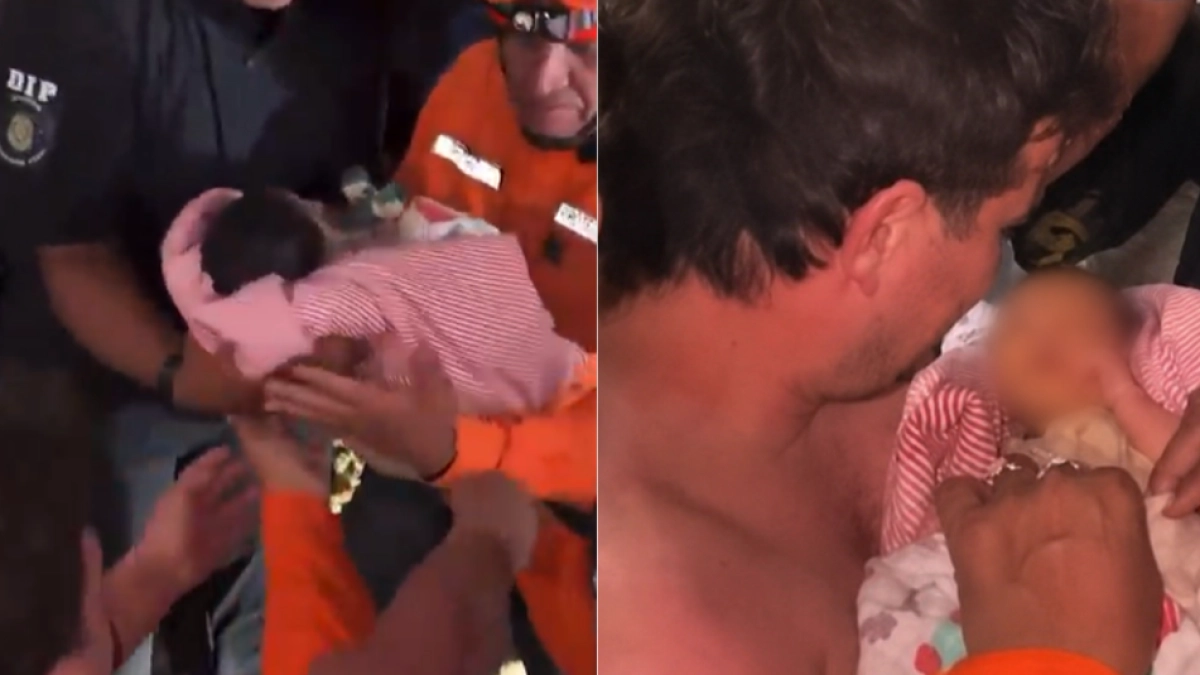
Milagro en Venezuela: un bebé de 18 días es rescatado con vida tras 32 horas atrapado bajo un edificio colapsado por los terremotos
The newborn and his mother were found alive in La Guaira, the city most affected by the earthquakes that hit the northern coast of the country.
38
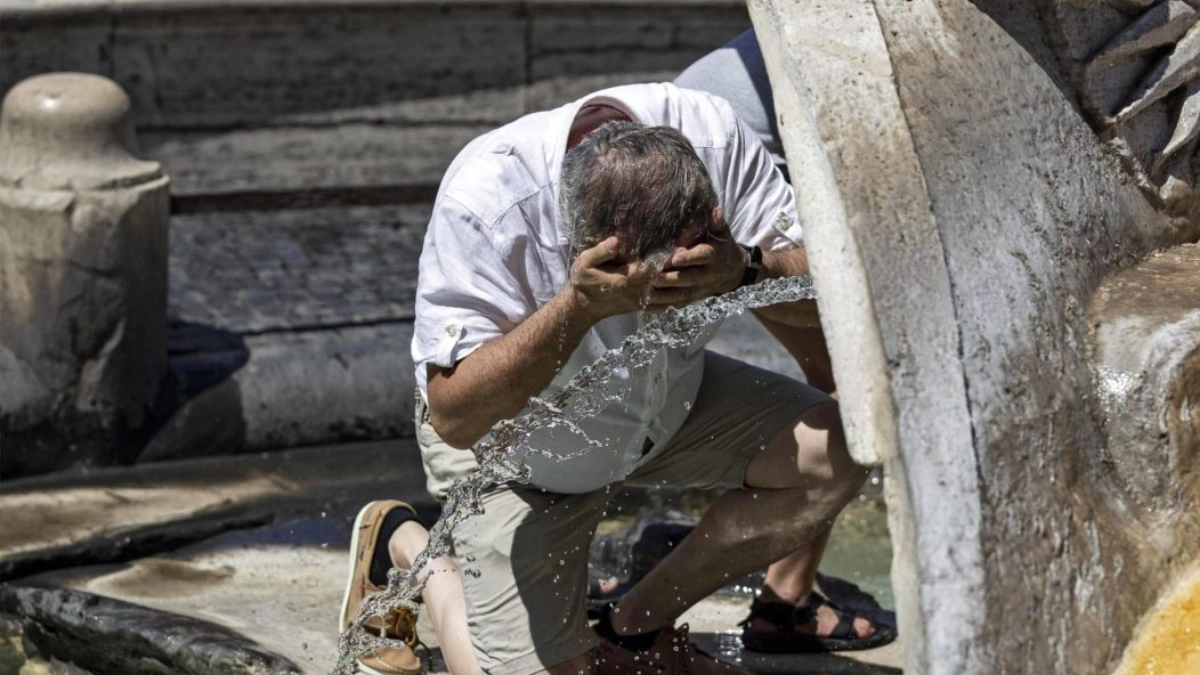
Más de 190 millones de personas en Europa enfrentan este sábado una ola de calor con temperaturas récord por encima de los 35 ºC
The suffocating wave is now moving towards the northeast of the continent, but the maximum alert also remains in force in Switzerland, Germany, Austria and Hungary.
39
Latam activó el programa Avión Solidario para enviar rescatistas y 100 toneladas de ayuda humanitaria a Venezuela
The airline arranged a special flight with more than 170 firefighters, doctors and emergency specialists.

40
Rescatista en Venezuela pide no congestionar las vías hacia La Guaira: 'Los médicos y los insumos no pueden bajar'
A member of the rescue teams warned that the collapse of the roads is making it difficult for ambulances to enter.

41
زلزال فنزويلا.. إنقاذ رجل وابنه بعد 4 أيام وفرق الطوارئ تسابق الزمن
International rescue teams continue to search for survivors under the rubble as a result of the double earthquake that struck Venezuela, at a time when the number of victims is approaching 1,500.
42
Venezuela hoy 29 de junio tras terremotos: Delcy Rodríguez crea comisión para evaluar daños en viviendas; van 1.450 fallecidos y 12.721 damnificados
María Corina Machado assured that "soon" she will return to the country. "It is my duty to accompany the people, we need to be together," he assured.
43
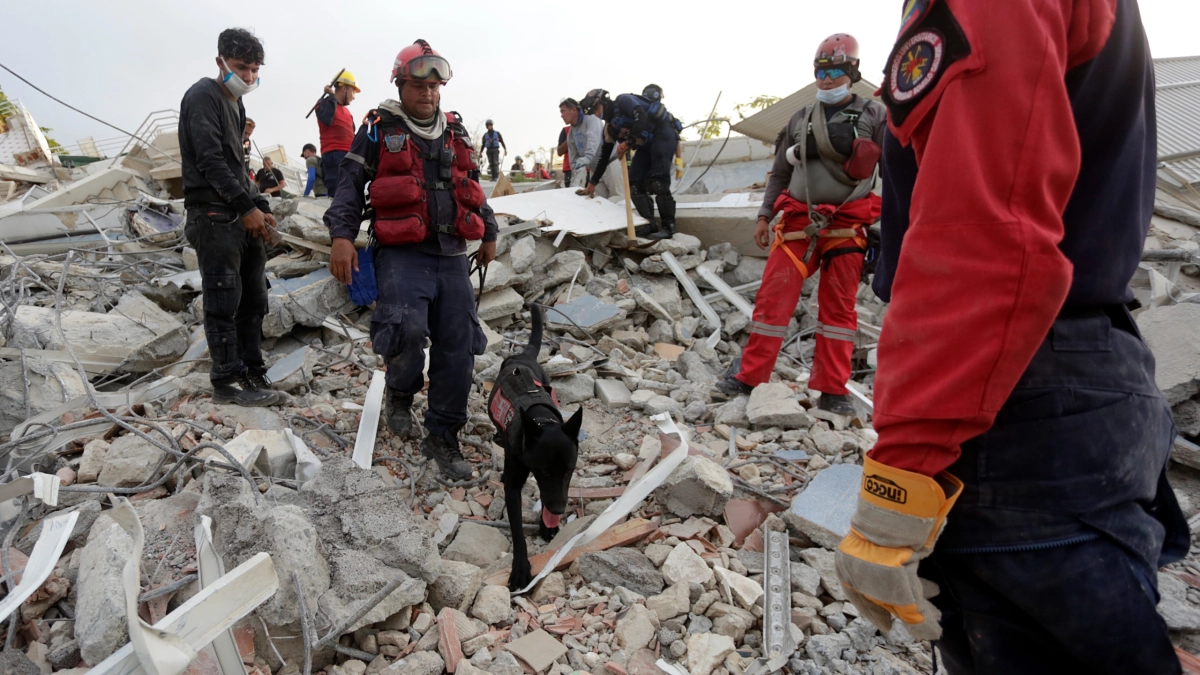
La ayuda para Venezuela tras los terremotos, atrapada entre el control del Estado y el desespero de las personas; así avanzan los operativos
As international brigades intensify the search, criticism of restrictions grows. The disaster already leaves 1,450 dead and 3,150 injured.
44
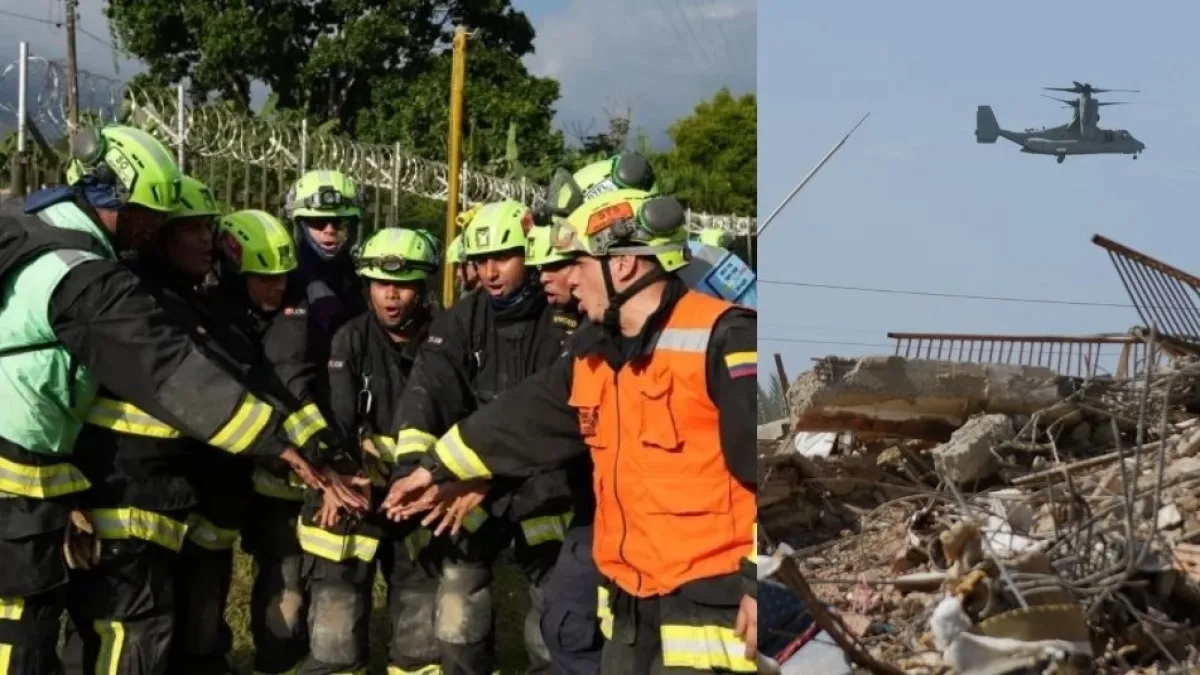
Consulado de Colombia en Caracas activó red de apoyo técnico y asistencia humanitaria para colombianos damnificados por los terremotos en Venezuela
The official delegation deployed personnel to shelters and health centers in order to register the urgent needs of affected families.
45
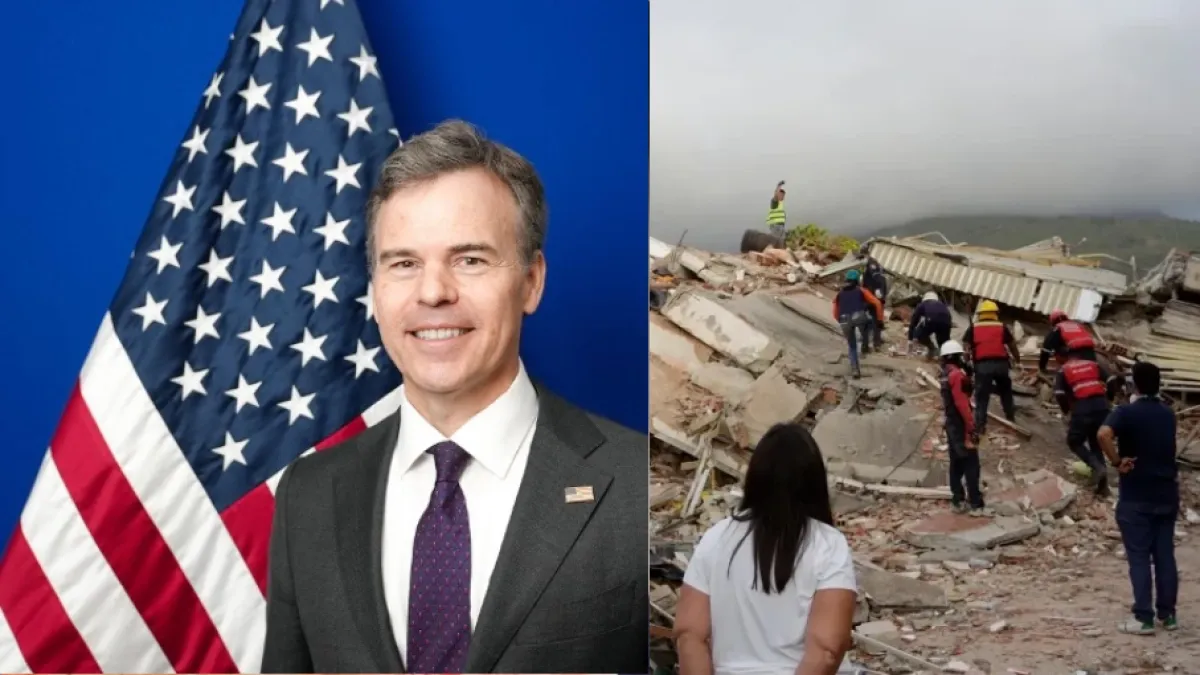
Estados Unidos asegura que ampliará la ayuda a Venezuela y respalda la transparencia de las cifras oficiales del terremoto: 'Esto apenas comienza'
John Barret, the US charge d'affaires in Venezuela, spoke with Colombian journalist Luis Carlos Vélez this Sunday.
46
Rescatan a 33 personas con vida este domingo en Venezuela; llevaban más de 72 horas atrapadas entre los escombros tras el terremoto
Delcy Rodríguez said that the country is in a crucial period for finding survivors, when four days have already passed.
47
Confirman muerte de colombiana Natalia Fernández por terremotos en Venezuela: 'La ayuda no llegó a tiempo'
The 34-year-old Samaria was found dead four days after being buried under the rubble of a condominium in Tucacas, Falcón state.

48
Nueva emergencia en Venezuela: fuertes lluvias e inundaciones aíslan poblaciones en el estado Portuguesa
Torrential rains caused rivers and streams to overflow, leaving isolated communities and considerable structural damage.

49
Au Venezuela, des recherches toujours actives alors que le bilan du séisme s’alourdit à 1 450 morts
Tens of thousands of people are still missing after Wednesday's double quake. Additional American soldiers were sent to smooth the arrival of aid by…
AI read
What the coverage agrees on, and where it splits
This view is generated from the clustered articles, so it is best read as a map of coverage rather than a replacement for the source reporting.
Broadly agreed
- The death toll has reached approximately 1,450 with tens of thousands still missing and hundreds of buildings collapsed.
- International rescue teams from more than 24 countries have deployed, and survivors continue to be pulled from rubble days after the quake.
- The critical rescue window for finding survivors alive is closing or has closed.
Contested framing
- BBC and Folha de S.Paulo foreground civilian anger at the government's inadequate response; Straits Times reports the Venezuelan government is 'accused of politicising quake relief,' framing it as a political survival battle.
- El Tiempo cites US charge d'affaires expressing support for transparency in official figures and promising expanded aid; BBC focuses on residents' anger at the state, suggesting official figures may not be trusted by affected populations.
Still unclear
The true number of missing persons remains unverified, with early reports citing over 51,000 missing and official figures of 12,721 displaced — a significant discrepancy not resolved in available summaries.
Notable omissions
People's Daily and TASS are entirely absent from Venezuela earthquake coverage; Russian and Chinese state media silence on a major humanitarian disaster affecting a geopolitical partner country is a notable omission.
Quality check
Death toll and missing persons figures show conflicting magnitudes; use ranges rather than single numbers.
- Major data discrepancy unresolved: 51,000 missing reported initially vs. 12,721 displaced officially—suggests measurement/definition gap, not clarified in summaries
- Russian and Chinese state media silence is flagged but may reflect news judgment rather than suppression
- Political/relief access framing relies on government accusations without independent verification of 'politicization'
- No Afghan or international humanitarian organization casualty verification included
Review confidence: 70%
Signal strength
3/5
Narrative divergence
14
Sources compared
1
Days in coverage
How each outlet frames this story
Divergence
3/5
Narrative Divergence
How differently the sources covering this story frame it — measured by tone, emphasis, and what each outlet chooses to highlight or omit.
1 — Sources frame the story almost identically
2 — Minor differences in tone or emphasis
3 — Noticeable differences; some outlets highlight what others omit
4 — Stark contrasts; conflicting narratives
5 — Sources tell fundamentally different stories
British
BBC documents civilian anger at the Venezuelan government's inadequate response and highlights the 'crucial window' for rescue closing, foregrounding institutional accountability.
Brazilian
Folha de S.Paulo integrates personal testimony — families leading searches, revolting against authorities — with structural critique of the Venezuelan state, emphasising systemic inequality and institutional failure.
Colombian
El Tiempo gives granular updates on death tolls, state commission formation, international brigade operations, and the death of a specific Colombian victim, maintaining a humanistic consequence frame.
Israeli
Times of Israel covers Israeli aid groups beginning operations in Venezuela and the Jewish community's crowdfunding campaign, emphasising diaspora solidarity.
Singaporean
Straits Times reports logistical facts — 33 rescued, 3,150 injured, 774 buildings collapsed — with Singapore Red Cross pledging S$100,000, consistent with operational consequence framing.
Irish
The Irish Times reports 1,450 dead with growing criticism of the government response and the race to find survivors within the rescue window.
Japanese
Japan Times covers the father-and-son rescue after four days as a human-interest story giving hope to rescue workers, and separately tracks the closing rescue window.
French
Le Monde reports that tens of thousands remain missing four days after the double quake, and that additional US soldiers were sent to assist.
Emirati
The National reports the death toll nearing 1,500 with tens of thousands still missing, in a terse factual register.
Pakistani
Dawn foregrounds rescue teams combing rubble as time runs out, citing the 1,450 death toll and 12,721 displaced.
South African
Daily Maverick runs a Reuters wire on the death toll nearing 1,500 without additional editorial framing beyond the factual update.