世界一律の10%代替関税 失効へ
How the world covered this
Read the editorial comparison
Prose synthesis of how each outlet framed the story, with side-by-side outlet quotes and divergence notes.
4 articles from 4 sources
01
02
US President Donald Trump threatened Friday a tariff increase on Canada to cover the cost of smoke pollution from wildfires that have choked large parts of the US. Dense wildfire smoke billowing down from Canada and…
03
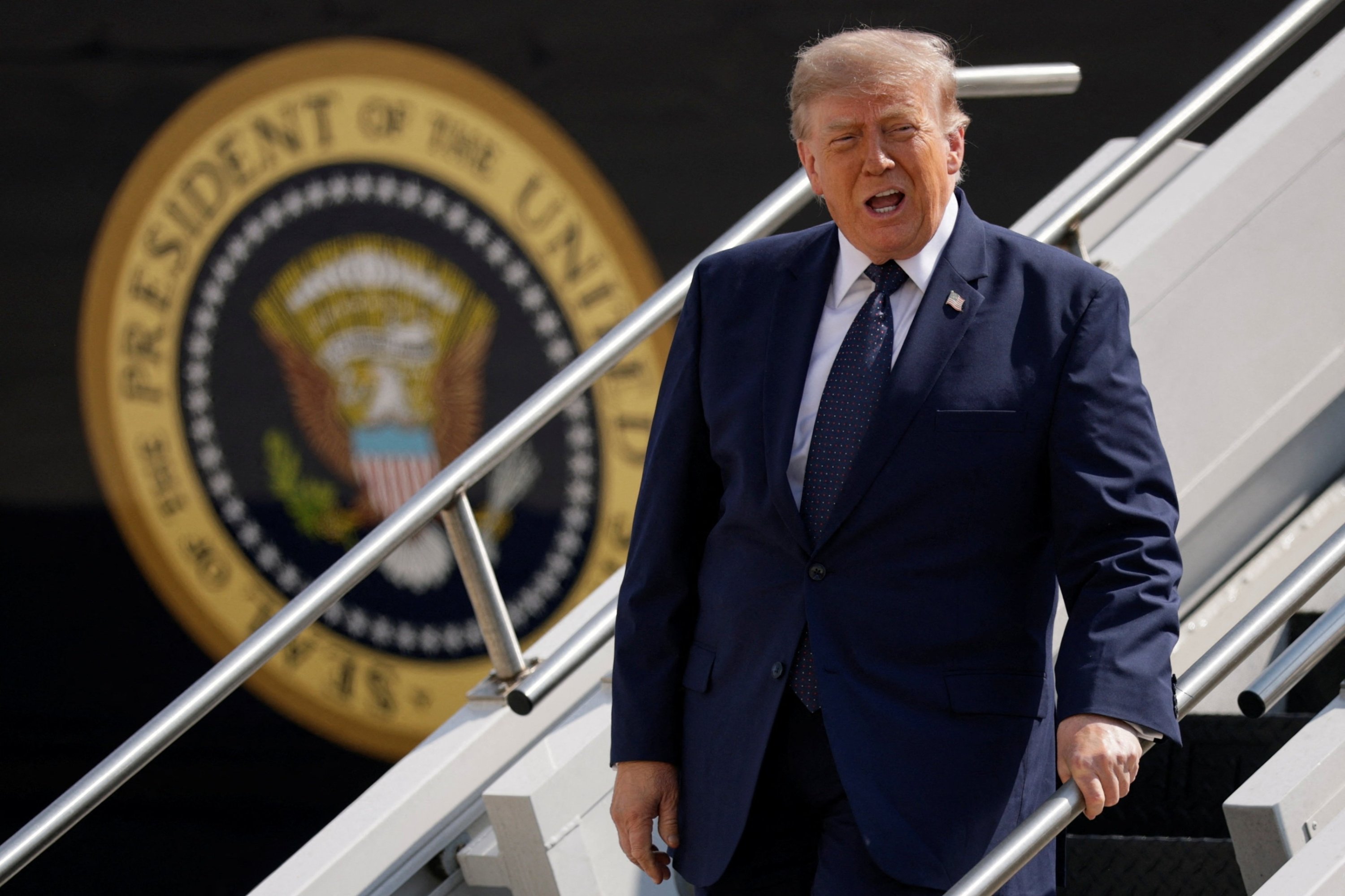
U.S. President Donald Trump threatened Friday to raise tariffs on Canada, arguing the additional duties should offset the economic costs of wildfire smoke that has blanketed large...
04
US President Donald Trump on Friday blamed Canada for wildfire smoke spreading across the United States and said he would add the “incalculable cost” of dealing with the pollution to existing tariffs on Canadian goods.…

AI read
What the coverage agrees on, and where it splits
This view is generated from the clustered articles, so it is best read as a map of coverage rather than a replacement for the source reporting.
Broadly agreed
- Sources confirm the globally uniform 10% substitute tariff is set to expire.
- Sources confirm Trump threatened to increase Canadian tariffs specifically to cover wildfire smoke costs.
Contested framing
- Trump frames Canadian wildfire smoke as Canadian negligence requiring tariff compensation; Canadian PM Carney frames wildfire intensity as a shared climate responsibility, not a bilateral liability.
Still unclear
What tariff regime will replace the expiring 10% substitute tariff and whether the Canada wildfire tariff threat will be implemented remain publicly unconfirmed.
Notable omissions
The economic impact analysis of the tariff expiry on specific trading partners and sectors receives minimal attention in available summaries, with most focus on the political confrontation rather than economic modelling.
Quality check
Tariff threat is stated; implementation status, replacement regime, and economic impacts are unconfirmed.
- Expiring 10% tariff consensus is weak (single source: Yahoo Japan); replacement tariff regime unconfirmed
- Canada wildfire tariff threat appears in multiple sources but follow-through commitment unconfirmed
- Trump framing (negligence liability) vs Carney framing (shared climate responsibility) represents genuine policy dispute with no resolution documented
- Economic impact analysis almost entirely absent; tariff effects on specific trading partners and sectors not modeled
Review confidence: 65%
Signal strength
3/5
Narrative divergence
4
Sources compared
0
Days in coverage
How each outlet frames this story
Divergence
3/5
Narrative Divergence
How differently the sources covering this story frame it — measured by tone, emphasis, and what each outlet chooses to highlight or omit.
1 — Sources frame the story almost identically
2 — Minor differences in tone or emphasis
3 — Noticeable differences; some outlets highlight what others omit
4 — Stark contrasts; conflicting narratives
5 — Sources tell fundamentally different stories
Japanese
Yahoo Japan reports the globally uniform 10% substitute tariff set to expire, framing it as a significant trade policy milestone with implications for Japanese exporters.
South Korean
Korea Herald reports Trump threatening to increase Canada tariffs over wildfire smoke pollution, framing it within the context of bilateral alliance management.
Turkish
Daily Sabah reports Trump vowing a tariff hike over Canadian wildfire smoke, framing it as institutional executive decision-making interrogation.
Chinese
SCMP reports Trump blaming Canada for wildfire smoke and threatening to add costs to tariffs, maintaining structural vulnerability and supply-chain framing.