• Fresh round expected on July 11 • US, Iran trade barbs despite pause in negotiations • Trump mocks Khamenei funeral as Tehran vows justice against US, Israel • Iran warns against military activity by ‘extra-regional…
How the world covered this
Read the editorial comparison
Prose synthesis of how each outlet framed the story, with side-by-side outlet quotes and divergence notes.
34 articles from 13 sources
01
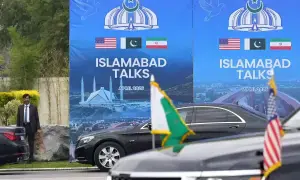
02
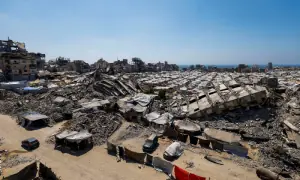
GAZA CITY: The Gaza conflict was the spark that touched off years of Middle East conflict culminating in the US-Israeli war with Iran, but as Washington and Tehran wrangle over terms for peace, the devastated…
03
THE funeral ceremonies for Iran’s assassinated supreme leader Ayatollah Ali Khamenei and his family members, which began in Tehran on Friday, are evidence that the joint US-Israeli endeavour to break the Islamic…


06
Senior Iranian official warns UK, France over Hormuz: 'Crisis-makers will be held accountable' The Times of Israel
07
US-Iran negotiations reportedly set to resume July 11, will include nuclear talks The Times of Israel
08
Charging fees to transit the Strait of Hormuz is an idea rejected by Washington.
09
The initial peace deal stated that ships would transit the strait free of charge for 60 days, but it remains unclear what will be in place after that period.
10
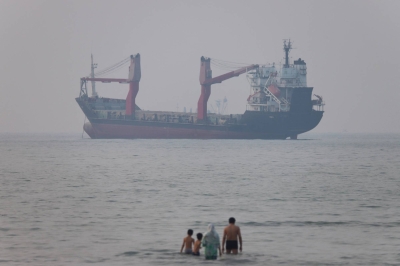
Iranian Ambassador Abdolreza Rahmani Fazli told the World Peace Forum in Beijing that his country was working in “collaboration and cooperation” with Oman on “new arrangements” for the vital waterway

11
Mohammad Rasouli, a poet, drew calls of “Death to America!” and “Death to Israel!” Speaking to the crowd, Mr. Rasouli asked, referring to Trump: “Why is the most bastard man in the world still alive?” That drew cheers

12
Mohammad Rasouli, a poet, drew calls of “Death to America!” and “Death to Israel!”
13
The future of energy exports through the Strait of Hormuz hangs in the balance after negotiations between Iran and the United States in Doha this week ended without an agreement on releasing frozen funds to the Islamic…

14
The Gaza war was the spark that touched off years of Middle East conflict culminating in the US-Israeli war with Iran, but as Washington and Tehran wrangle over terms for peace, the devastated territory’s fate seems…

15
The war in Gaza ignited a chain of conflicts that reshaped the Middle East, eventually culminating in a U.S.-Israeli confrontation with Iran. Yet as Washington and Tehran negotiat...

16
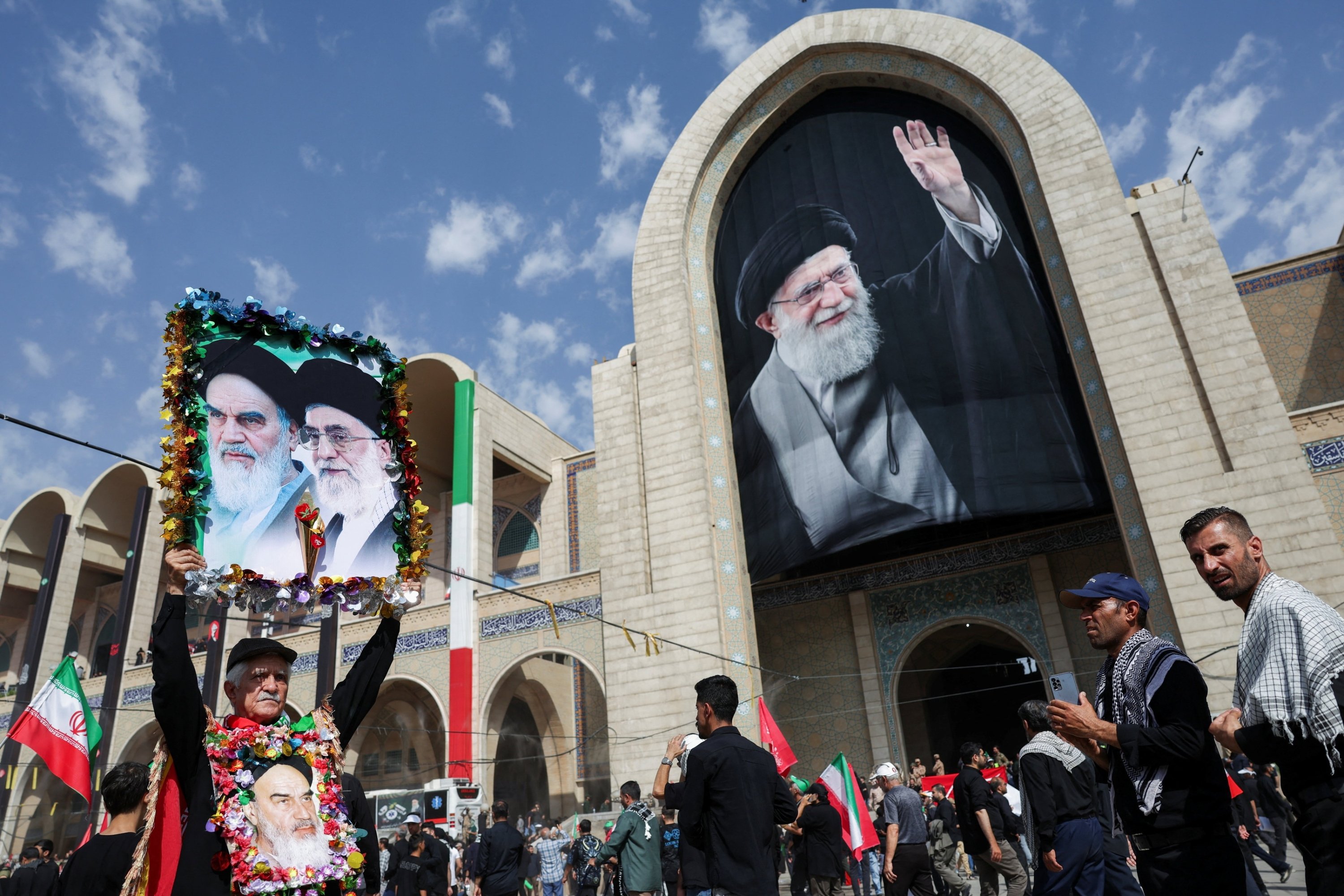
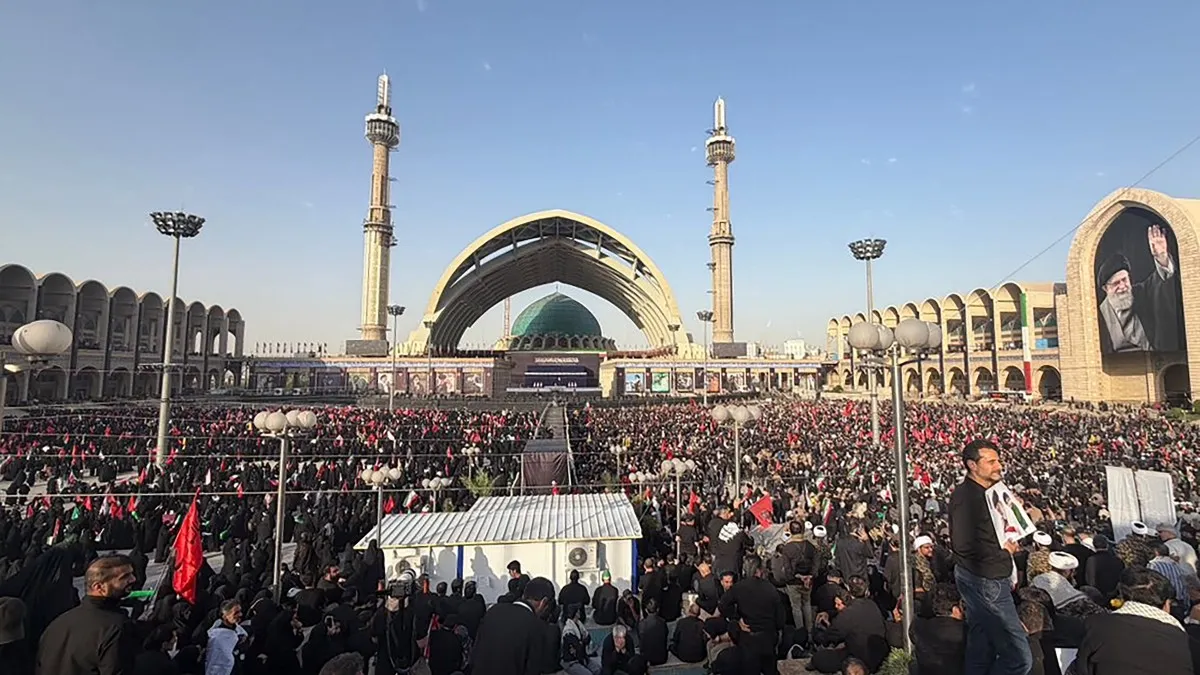
Hundreds of thousands of mourners gathered in Tehran on Saturday as Iran began days of funeral ceremonies for the late Supreme Leader Ayatollah Ali Khamenei, beating their chests i...
17
Authorities expect up to 20 million people to attend ceremonies across Iran and Iraq over the coming days.

18
Iranian authorities say they expect millions of people to take part in funeral commemorations for Ayatollah Ali Khamenei.

19
Aliados do regime do Irã se reúnem em funeral de líder supremo
Four months after its supreme leader was killed in US and Israeli airstrikes, Iran's regime began a week of elaborate events to mourn and bury Ayatollah Ali Khamenei,...
20
Iran has for years provided support to Palestinian Hamas, Lebanon’s Hezbollah, and Yemen’s Houthi rebels.
21
Crowd at Khamenei’s funeral chant for revenge: ‘We will kill he who killed our Imam’ The Times of Israel
22
Iran said to bar Mojtaba Khamenei from father’s funeral, fearing Israel could kill him The Times of Israel
23
Unclear if Mojtaba Khamenei will attend father's funeral amid growing questions over leadership - report The Times of Israel
24
Khamenei lies in state in Tehran as Iran begins week of mass funeral ceremonies The Times of Israel
25
Pakistan says PM Sharif, a key US-Iran mediator, will attend Khamenei funeral ceremony The Times of Israel
26
Funeral ceremonies for Iran’s late supreme leader Ali Khamenei officially began on Saturday, state television reported, an event drawing thousands and intended to serve as a show of strength to the Islamic republic’s…

27
Irán despide al ayatola Alí Jamenei en un masivo funeral de Estado marcado por tensiones con Estados Unidos
The authorities expect that between 15 and 20 million people will attend these tributes in the Iranian capital alone.
28
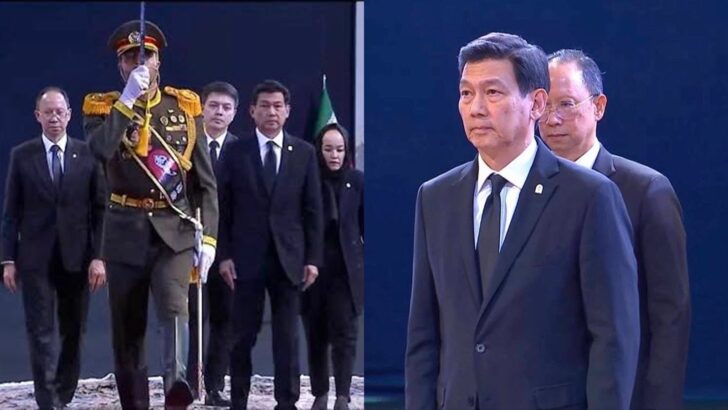
Thailand’s Special Envoy attended the funeral of the late Supreme Leader of the Islamic Republic of Iran in Tehran on 3 July, where Thailand conveyed its deepest condolences to the Iranian government and people…
29
ハメネイ師国葬 イラン葬儀の歴史
30
ハメネイ師国葬 「復讐」の叫び

32

33
• Lebanese president urges Washington to ‘keep standing’ by Lebanon’s institutions, army and people • Ceasefire holds unevenly as Israeli strikes continue in the south BEIRUT: Lebanese President Joseph Aoun on Saturday…
34
Aliados do regime do Irã se reúnem em funeral de líder supremo
Four months after its supreme leader was killed in US and Israeli airstrikes, Iran's regime began a week of elaborate events to mourn and bury Ayatollah Ali Khamenei,...
AI read
What the coverage agrees on, and where it splits
This view is generated from the clustered articles, so it is best read as a map of coverage rather than a replacement for the source reporting.
Broadly agreed
- All covering sources confirm Khamenei's state funeral began in Tehran with mass public attendance expected in the tens of millions across Iran and Iraq.
- Multiple sources confirm US-Iran negotiations are expected to resume around July 11, with nuclear talks included.
- Sources broadly agree the Strait of Hormuz remains in strategic limbo with minefields present and transit fee disputes unresolved.
Contested framing
- Times of Israel frames Hezbollah and Hamas funeral attendance as evidence of Iran's continued threat-actor status; Daily Sabah frames the same event as part of regional diplomatic realignment that has eclipsed Gaza.
- Dawn frames Islamabad as a neutral diplomatic hub facilitating talks; Times of Israel frames the negotiations through a security lens emphasizing Iranian nuclear ambitions.
- The National frames Trump's vow to 'hold fire' as a stabilizing pause; SCMP frames the Hormuz situation as structural institutional vulnerability with no clear resolution path.
Still unclear
Whether negotiations resuming July 11 will include substantive nuclear rollback commitments or remain limited to Hormuz transit arrangements remains publicly unconfirmed.
Notable omissions
People's Daily and TASS provide no substantive coverage of the US-Iran war's diplomatic phase; Russian state media omits the funeral entirely from geopolitical framing, and Chinese state media avoids critical analysis of Iran's succession crisis.
Quality check
This topic conflates diplomatic developments with an underlying war whose scope and current status are unclear from the article set.
- Core claim that 'US-Iran war has reshaped Middle East' assumes a discrete war event; available articles reference negotiations and funeral but lack detailed war coverage
- Claim that Gaza conflict has been 'eclipsed' relies on single analyst framing from Dawn, not confirmed across sources
- 'Tens of millions' funeral attendance is Iranian authority estimate, not independently verified
- July 11 negotiation resumption and nuclear talk inclusion reported but not confirmed as official
Review confidence: 72%
Signal strength
5/5
Narrative divergence
13
Sources compared
0
Days in coverage
How each outlet frames this story
Divergence
5/5
Narrative Divergence
How differently the sources covering this story frame it — measured by tone, emphasis, and what each outlet chooses to highlight or omit.
1 — Sources frame the story almost identically
2 — Minor differences in tone or emphasis
3 — Noticeable differences; some outlets highlight what others omit
4 — Stark contrasts; conflicting narratives
5 — Sources tell fundamentally different stories
Pakistani
Dawn reports Islamabad is the frontrunner to host US-Iran talks scheduled for July 11, framing Pakistan as a key diplomatic mediator with PM Sharif playing a bridging role between Washington and Tehran.
Indian
The Hindu reports Iran's envoy offering 'special' Hormuz fee treatment to friendly nations, and covers the funeral performer calling for Trump's death, maintaining non-aligned framing without endorsing either side.
Israeli
Times of Israel focuses on Hezbollah and Hamas attendance at the funeral, Iranian warnings to UK and France over Hormuz, and uncertainty over succession — framing Iran as a continuing threat actor.
Turkish
Daily Sabah frames Gaza as having faded from talks as US-Iran diplomacy reshapes the Middle East, and covers Khamenei funeral crowds, positioning Turkey as a strategic observer of regional realignment.
Emirati
The National reports Trump vowing to hold fire as tens of thousands mourn Khamenei, framing the moment as a pause rather than resolution, with Gulf regional autonomy interests implicitly at stake.
British
BBC News covers the funeral as an 'intensely political moment' with expected millions of attendees, emphasizing institutional consequence and the uncertainty of Iran's post-Khamenei trajectory.
Chinese
SCMP frames the Strait of Hormuz as in 'strategic limbo' due to minefields and stalled talks, prioritizing supply-chain and energy security consequences for Asia.
Singaporean
Straits Times reports Iran's envoy promising 'special' Hormuz fee treatment for friendly nations, analyzing the geopolitical development through its impact on shipping and regional trade.
Japanese
Japan Times covers the Hormuz fee structure through Asian energy security vulnerability, and reports on the funeral's second day of prayers, treating the crisis as an infrastructure and logistics problem.
Brazilian
Folha de S.Paulo reports Iran regime allies gathering at the funeral four months after Khamenei was killed in US-Israeli airstrikes, using the occasion to examine the war's origins and regional alliances.
Colombian
El Tiempo covers the massive state funeral marked by tensions with the United States and reports it as a significant geopolitical flashpoint, framing it through US institutional decision-making accountability.
Thai
Khaosod English reports Thailand's Special Envoy attended the funeral of the Supreme Leader in Tehran, framing the story through Thai diplomatic protocol rather than geopolitical analysis.