The US-Iran talks began on Sunday in Switzerland, after last week's agreement, which includes a commitment to reach a final deal within 60 days.
How the world covered this
Read the editorial comparison
Prose synthesis of how each outlet framed the story, with side-by-side outlet quotes and divergence notes.
55 articles from 20 sources
01

02
The diplomatic breakthrough narrowly survived extreme friction after Trump threatened to wipe...

03
According to mediators from Qatar and Pakistan, the talks between United States and Iranian officials in Switzerland have ended with both sides agreeing on a roadmap. Technical talks will continue.
04
Avanzan las negociaciones entre Irán y Estados Unidos pese a nuevas amenazas de Donald Trump: se dan 60 días para lograr un acuerdo
The delegations of both countries agreed to create a committee to develop a roadmap that will allow them to reach a final agreement.

05
EUA e Irã concluem rodada de negociações na Suíça, dizem mediadores
The first round of negotiations between the US and Iran in Switzerland ended this Monday (22), Sunday night (21) in Brazil, said Qatar and Pakistan, who acted as mediators. Read more (06/21/2026 - 11:52 pm)
06
First day of mediation in Switzerland between warring countries began with a rocky start

07
Key developments: US-Iran agree to a roadmap toward a final deal within 60 days; technical-level talks to continue for the rest of the week in Switzerland US-Iran agree to set up a communication line” to avoid incidents…

08
Here are the main points from the joint Qatar-Pakistan statement at the conclusion of first-round talks

09
A joint statement from mediating nations Qatar and Pakistan said the U.S. and Iran agreed to a roadmap toward a final deal within 60 days

10
The U.S. wants Iran locked into negotiations over its nuclear programme amid concerns it may be used for military purposes, which Iran denies

11
The negotiations to end a war that sowed chaos across the region and rattled the global economy are meant to trigger a 60-day period to settle broader issues that have dogged U.S.-Iranian relations for decades

12
Iran and the United States have agreed to set up a "de-confliction cell" with Lebanon to stop military operations

14
A joint statement said the US and Iran agreed to a roadmap towards a final deal within 60 days.
15
The United States expects talks with Iran to continue through the night in Switzerland, a US diplomat told reporters early Monday, as they work to permanently end the Middle East war. The current round of negotiations…

16
A new round of negotiations over the Middle East war was set to kick off on Sunday as Iranian negotiators and US Vice-President J.D. Vance arrived in the Swiss host city, even as Tehran said it was closing the Strait of…

17
The talks were set to begin in Switzerland on June 21.
18
Without independent access to the area, the fate of Iran’s uranium stockpile remains unclear.

20
Colloqui Usa-Iran tra le minacce, Trump: “Vi faccio saltare in aria”. E il summit di pace rischia il flop
Away from the cameras, first meeting in Lucerne between Vance, Wittkoff, Kushner, Araghchi and Ghalibaf. Hours of tension after a post from the head of the White House that evokes new bombings, then the dialogue starts again.
21
Caccia al tesoro di Teheran, il mistero dei miliardi congelati dagli Stati Uniti
For the ayatollahs there are more than one hundred. Without that money there will be no reconstruction, but Washington needs to maintain control of it
22
Nasr: “L’intesa serve a tutti ma tra Stati Uniti e Iran il vero ostacolo è il nucleare”
Obama's former advisor evaluates the start of phase two started in Lucerne: "The White House has gotten burned, it wants to end the conflict"
23
Guerra in Iran, le news di oggi – Finito il primo round dei colloqui di pace: cellula di coordinamento con il Libano e linea di comunicazione per Hormuz
The diplomatic confrontation will continue for the rest of the week in Switzerland. Meanwhile, a roadmap has been established: agreement within 60 days
24
Trump ameaça atacar Irã por conflito no Líbano, e delegação iraniana deixa negociação na Suíça
The President of the United States, Donald Trump, stated this Sunday (21) that he may attack Iranian territory again if the country continues to wage a "proxy war" in southern Lebanon. Read more…
25
The US disputed Iran's claim the waterway is shut, a move Tehran says was a response to Israeli attacks in Lebanon.

26
Guerre au Moyen-Orient : les négociateurs iraniens et américains arrivent en Suisse, Téhéran annonce la fermeture du détroit d’Ormuz
High-level delegations are due to extend the memorandum of understanding signed Wednesday on Sunday, addressing the issue of the nuclear program, but Iran demands an end to Israeli attacks in southern Lebanon.
27
¿Ganó Trump la guerra con Irán? Acuerdo evita escalada regional, pero no desmantela el programa nuclear iraní y deja intacta la raíz del conflicto
Pact reduced pressure on the markets, but left sensitive negotiation issues open. Criticism is pouring in from experts and Republicans.

28
EE. UU. e Irán arrancan negociaciones sobre el programa nuclear este domingo en Suiza mientras Trump amenaza con cobrar peajes en el estrecho de Ormuz
The round of technical talks will focus on the control of uranium reserves and the implementation of the memorandum of understanding.
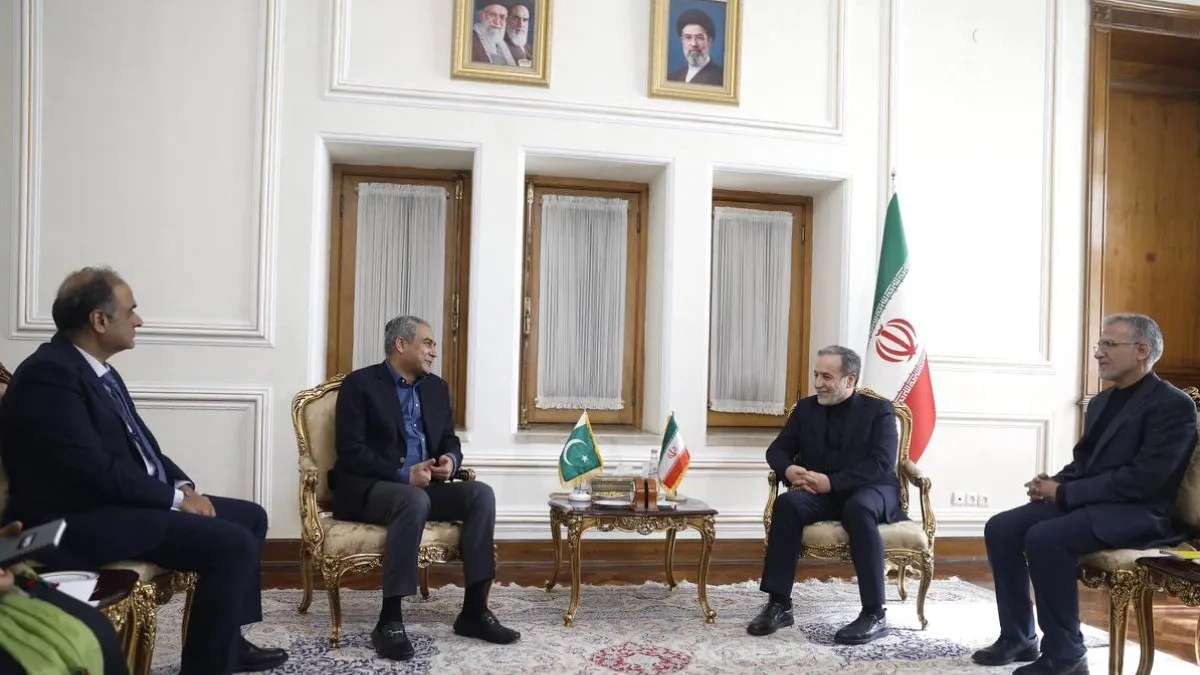
29
Vicepresidente de Estados Unidos, JD Vance, dice que viajará en los próximos días a Suiza para la segunda fase de la negociación con Irán
Vance's announcement comes after Tehran's new closure of the Strait of Hormuz, which revived uncertainty over the peace deal.

30
US Vice President JD Vance is en route to Switzerland for talks with Iran's delegation in the mountain resort in Bürgenstock. Follow DW.
31
米イラン レバノン停戦巡り合意
32
米との協議 イラン代表団が退席
33
Trump and Vance clash on comments about Iran CNN
34
Trump and Vance clash on comments about Iran CNN
35
Iran shows Trump just how hard making peace will be CNN
36
IDF soldier killed, 13 injured in overnight Hezbollah attack in southern Lebanon The Times of Israel
37
Herzog backs 'legitimate' Israeli concern over US-Iran talks, says Hezbollah blocking peace with Beirut The Times of Israel
38
Netanyahu says Israel successfully ‘created the conditions’ for future fall of Iranian regime The Times of Israel
39
Sharaa rules out Syria intervening in Lebanon after Trump again suggests it fight Hezbollah The Times of Israel
40
Democrats have assailed the agreement and US President Donald Trump’s approval ratings have sunk.
41
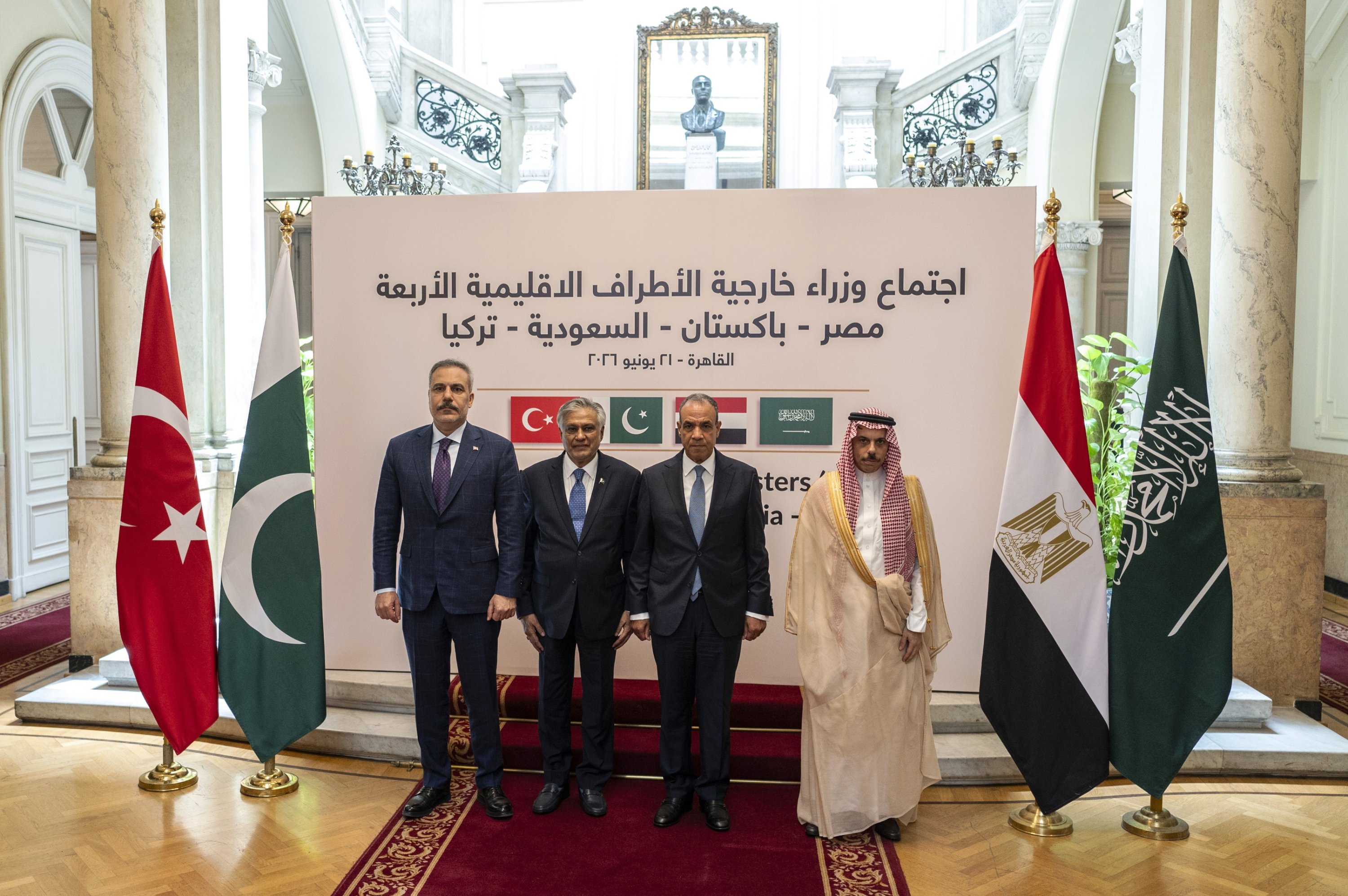
Foreign Minister Hakan Fidan joined his Saudi counterpart, Prince Faisal bin Farhan Al Saud, and Pakistan’s Foreign Minister Mohammad Ishaq Dar in Cairo at a meeting hosted by Egyp...
42
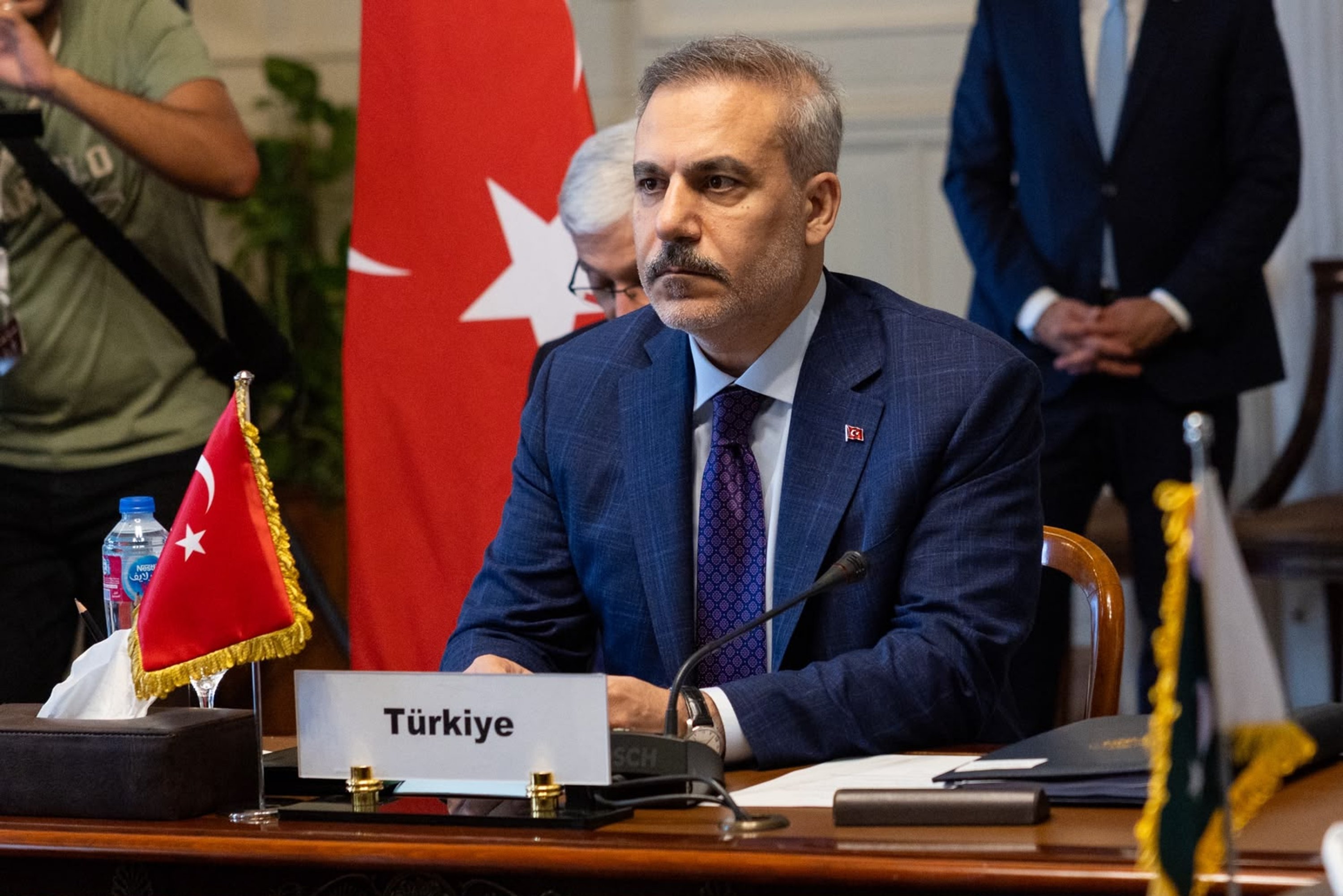
Foreign Minister Hakan Fidan welcomed U.S.-Iran talks in Switzerland but warned that resolving the differences between the two countries may take time, and Israel was “waiting” to...
43
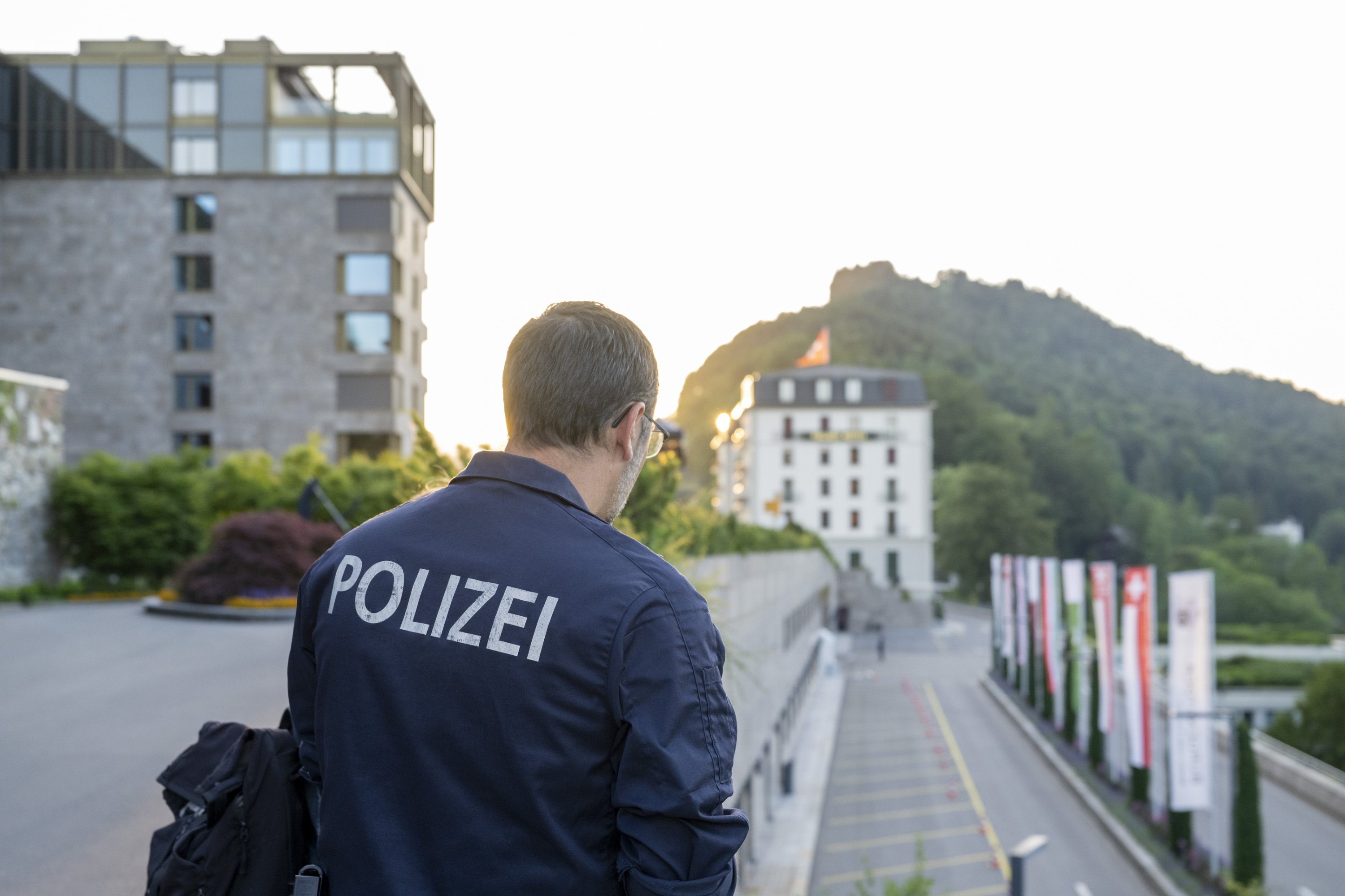
U.S. Vice President JD Vance arrived Sunday at a Swiss mountain resort for peace talks with Iran, but the diplomacy was overshadowed by Tehran's announcement that it had reimp...
44
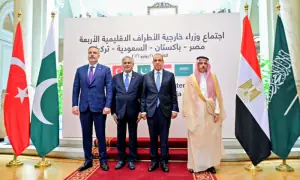
Pakistan, Saudi Arabia, Turkiye and Egypt on Sunday welcomed the signing of the Islamabad Memorandum of Understanding (MoU) between the US and Iran during a Regional Four (R-4) meeting in Cairo, emphasising the…
45
WITH the signing of a memorandum of understanding between the US and Iran, an interim deal has been agreed. In what will be a two-step peace process the first phase freezes the war by extending the ceasefire for another…
46
Parties have agreed on a roadmap toward reaching a final deal in 60 days, and technical talks will continue for the remainder of week


48
Two vessels operated by South Korean shipping companies have safely exited the Strait of Hormuz, becoming the first South Korean-linked ships to pass through since Washington and Tehran agreed to reopen it last week,…

49
Three fully laden India-linked supertankers have re-emerged in the Gulf of Oman, adding to increased reports of traffic moving both ways across the northern and southern routes of the Strait of Hormuz, while conflicting…

50
イラン ホルムズを封鎖したと声明
51
米がイランの海峡再封鎖否定 報道
52
اتفاق واشنطن وطهران.. نهاية حرب أم بداية مأزق جديد لترمب؟
American newspapers believe that the agreement with Iran did not resolve the basic issues, but rather revealed the decline of America’s influence under Trump’s leadership, strengthened Iran’s power cards, and raised tensions with Israel and internal criticism, while China benefited greatly from it.
53
بيان قطري باكستاني: تقدُّم مشجع في اختتام الجولة الأولى من محادثات سويسرا
The State of Qatar and the Republic of Pakistan announced - in a joint statement - the conclusion of the first round of Iranian-American talks in Switzerland, stressing that the work of the first day of the Lake Lucerne Summit took place in a positive and constructive atmosphere.
54
الغارديان وإندبندنت: اتفاق إيران يكشف شرخا بين أمريكا وإسرائيل
The Guardian and the Independent believe that the Iran agreement revealed an unprecedented rift between Washington and Tel Aviv, and placed Netanyahu facing a crisis that could end his political future, while unconditional American support for Israel became questionable for the first time.
55
Silenzio radio e comunicazioni via mail: così la nave italiana è uscita da Hormuz
Blocked for months, the Yasa Moon returns home after sailing along Oman with the radio turned off. Here's how it went
AI read
What the coverage agrees on, and where it splits
This view is generated from the clustered articles, so it is best read as a map of coverage rather than a replacement for the source reporting.
Broadly agreed
- All covering sources confirm Qatar and Pakistan issued a joint statement declaring 'encouraging progress' and a 60-day roadmap toward a final deal.
- All sources confirm the Iranian delegation temporarily walked out after Trump issued new threats, creating a dramatic pause before talks resumed.
- Sources broadly agree that technical-level talks are continuing through the week in Switzerland.
Contested framing
- BBC and Times of Israel frame Iranian nuclear intent with deep scepticism about whether the MoU resolves anything substantive; La Repubblica and Deutsche Welle frame the same talks as a genuine institutional process with achievable outcomes.
- CNN frames the Trump-Vance public clash on Iran comments as evidence of White House dysfunction; Daily Sabah frames the same period as Turkey's diplomatic mediation opportunity, omitting the internal US contradiction.
- Times of Israel and Netanyahu frame the deal as potentially rewarding Iran and undermining Israeli security; The Hindu and Dawn frame it as 'major progress' reflecting regional collective strategic interest.
Still unclear
Whether Iran's uranium stockpile fate has been agreed in any form, and whether the Strait of Hormuz closure has been formally lifted, remain unconfirmed in available summaries.
Notable omissions
Most Western outlets omit Pakistan's active co-mediating role as a story in its own right; Pakistani outlet Dawn foregrounds it prominently while BBC, CNN, and others treat Pakistan as a footnote.
Quality check
Read as preliminary diplomatic progress with substantive disagreements still unresolved; treat nuclear and maritime outcomes as speculative until independently confirmed.
- Critical unknowns unresolved: uranium stockpile agreement and Strait of Hormuz closure status remain unconfirmed
- Heavy reliance on mediator statements rather than direct US-Iran confirmation
- Contested framing on Iran's nuclear intent spans skepticism to optimism with no consensus
- Pakistan's mediation role prominence varies significantly by outlet—potential geographic bias in coverage
Review confidence: 65%
Signal strength
5/5
Narrative divergence
20
Sources compared
1
Days in coverage
How each outlet frames this story
Divergence
5/5
Narrative Divergence
How differently the sources covering this story frame it — measured by tone, emphasis, and what each outlet chooses to highlight or omit.
1 — Sources frame the story almost identically
2 — Minor differences in tone or emphasis
3 — Noticeable differences; some outlets highlight what others omit
4 — Stark contrasts; conflicting narratives
5 — Sources tell fundamentally different stories
British
BBC emphasises institutional protocol friction — the Iranian walkout after Trump's threats and mediators' careful credibility examination — foregrounding whether the 'encouraging progress' claim is verified or aspirational.
American
CNN frames the talks as evidence of how hard peace-making will be for Trump, highlighting the internal Trump-Vance clash on Iran comments as a sign of White House incoherence.
French
Le Monde contextualises the talks within a broader US strategic retreat, arguing the latest Middle East war accelerated a reconfiguration toward a less American world, forcing partners to hedge.
German
Deutsche Welle maintains de-escalatory framing, reporting mediators' positive statement without militaristic emphasis and focusing on whether institutional sustainability can endure Trump's threats.
Indian
The Hindu leads with Iran's Foreign Minister claiming 'major progress' and highlights the establishment of a de-confliction cell with Lebanon, consistent with its non-aligned analytical frame avoiding Western alignment language.
Brazilian
Folha de S.Paulo covers the Iranian delegation's walkout after Trump's Lebanon threats with humanistic consequence framing, also reporting the detention of a Colombian immigrant who criticised Trump's ally as a linked accountability story.
Qatari
Al Jazeera Arabic covers the Qatari-Pakistani joint statement announcing 'encouraging progress' but subordinates depth analysis to entertainment content, with geopolitical coverage thinner than expected given Qatar's direct mediating role.
Turkish
Daily Sabah emphasises Turkish Foreign Minister Fidan's warning that Israel may sabotage the deal and his trilateral diplomacy in Egypt, positioning Turkey as an indispensable regional institutional actor.
Singaporean
CNA focuses on the oil price drop following talks concluding, framing the diplomacy as a supply-chain and energy-market event rather than a geopolitical milestone.
Kenyan
Daily Nation highlights the diplomatic breakthrough 'narrowly surviving extreme friction' after Trump threatened military action, emphasising the precariousness of the deal.
Japanese
Japan Times foregrounds Hormuz remaining open as the primary strategic outcome, framing the talks as an infrastructure-logistics problem affecting Asian energy security.
Pakistani
Dawn gives Pakistan prominent credit as a co-mediator alongside Qatar, presenting the MoU and roadmap as a significant Pakistani diplomatic achievement in a fragile but real peace process.
Italian
La Repubblica covers the four-question nuclear framework and the de-confliction cell with Lebanon, noting the roadmap's establishment while flagging frozen Iranian assets as the central unresolved economic obstacle.
Irish
Irish Times reports the second day of talks and mediators' progress claims as part of a multi-story digest, treating it as significant but not leading with distinctive analytical framing.
Colombian
El Tiempo reports Iran interrupting talks after Trump threats before resumption, situating the 60-day deadline within US institutional decision-making accountability rather than geopolitical analysis.
Israeli
Times of Israel reports Iran's warning to the US to 'be careful' after Trump threats, Netanyahu's claim Israel 'created conditions' for the Iranian regime's future fall, and Israeli concern that the deal may embolden Iran — framing the talks with existential suspicion.
Emirati
The National reports 'encouraging progress' and frames Lebanon and Hormuz as tests of Middle East diplomacy, consistent with Gulf strategic autonomy positioning rather than Western alignment framing.
Chinese
SCMP analyses China's Iran strategy as 'power without projection', noting Trump thanked China for neutrality while examining structural vulnerability in Hormuz maritime security.