The deal which will pave the way for hostilities to end is close to being finalised, the US, Iran and mediators Pakistan say.
How the world covered this
Read the editorial comparison
Prose synthesis of how each outlet framed the story, with side-by-side outlet quotes and divergence notes.
34 articles from 15 sources
01

02
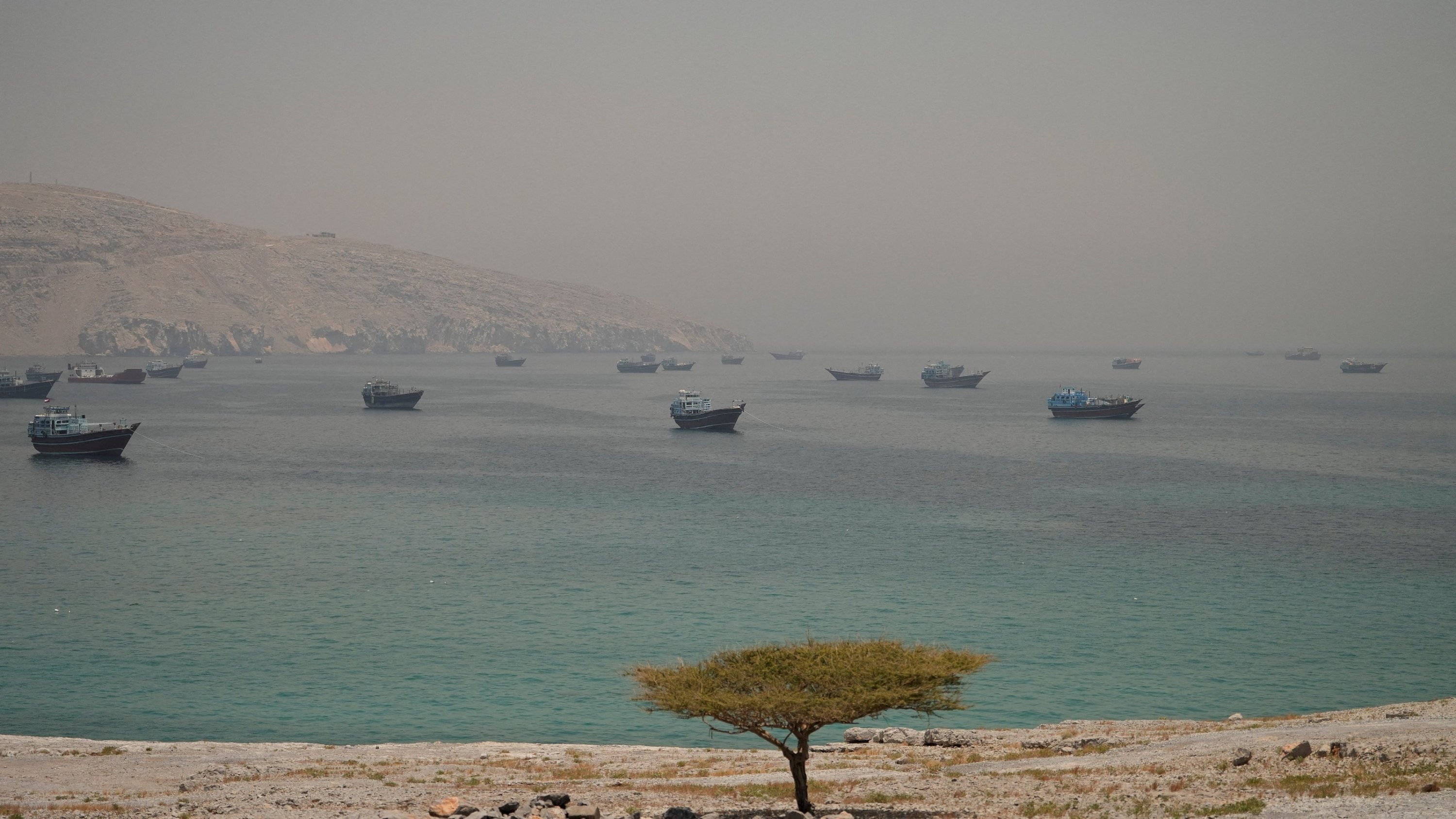
The U.S. should lift the blockade before asking Iran to open the Strait of Hormuz
03
Foreign Minister Abbas Araghchi’s comments came after Iran’s Mehr news agency, citing a source close to the country’s negotiating team, claimed that the deal would see “the release of $24 billion of Iran’s blocked funds…

04
Iran's foreign minister and the US president have both stated that an agreement to end the war in Iran could be imminent. Mediators in Pakistan say they are working "to finalize the next steps." DW has more.
05
The US and Iran may be nearing a breakthrough, according to Donald Trump. DW looks at what has emerged so far, and the key risks and challenges shaping any possible agreement.
06
The United States and Iran have 'never been closer' to a deal on ending the war in the Middle East, Iranian Foreign Minister Abbas Araghchi said on Friday. 'The Islamabad Memorand...
07
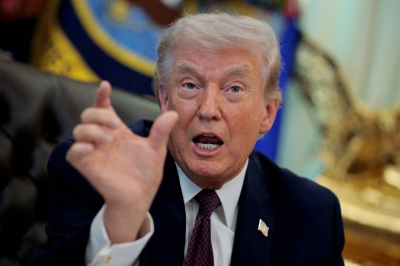
Iran's foreign minister said that while changes in the deal were still possible, the tentative agreement showed his country had emerged stronger from the conflict.

08
Analysts say a litany of sticking points have delayed finalizing an accord and will complicate its implementation.
09
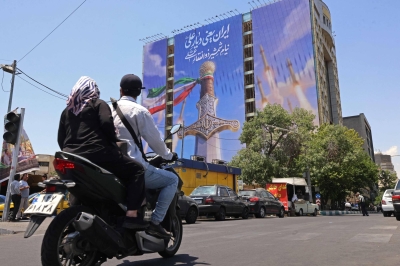
A senior U.S. administration official said both sides had agreed on a text and that Washington expects to sign an initial deal in the coming days.
10
The Trump administration on Friday said that it is “80-85 per cent” confident of signing the peace agreement with Iran to reopen the Strait of Hormuz and end the war in the Middle East. “We do expect to be signing this…

11
The US and Iran may sign an agreement to reopen the Strait of Hormuz on the sidelines of the Group of Seven world leaders summit next week, according to senior officials. A senior Iranian official indicated overnight…


13
DUBAI/WASHINGTON, June 12 - The United States and Iran signaled on Friday that an agreement to end their war was close, with a senior U.S. administration official saying both sides had agreed on a text and that…
14
A senior US administration official said both sides had agreed on a text.
15
WASHINGTON, June 12 - The U.S. says it is close to signing a peace deal that would end the three-month-old war with Iran, though terms have not yet been made public.
16
米イラン表明 覚書「近日署名」
17
米イラン覚書に海峡開放 内容報道
18
Irán afirma que el acuerdo de paz con Estados Unidos se podría firmar 'en los próximos días', pero advierte sobre el uso de su uranio enriquecido
On Thursday, President Donald Trump said he had suspended planned attacks on Tehran because of progress in talks.

19
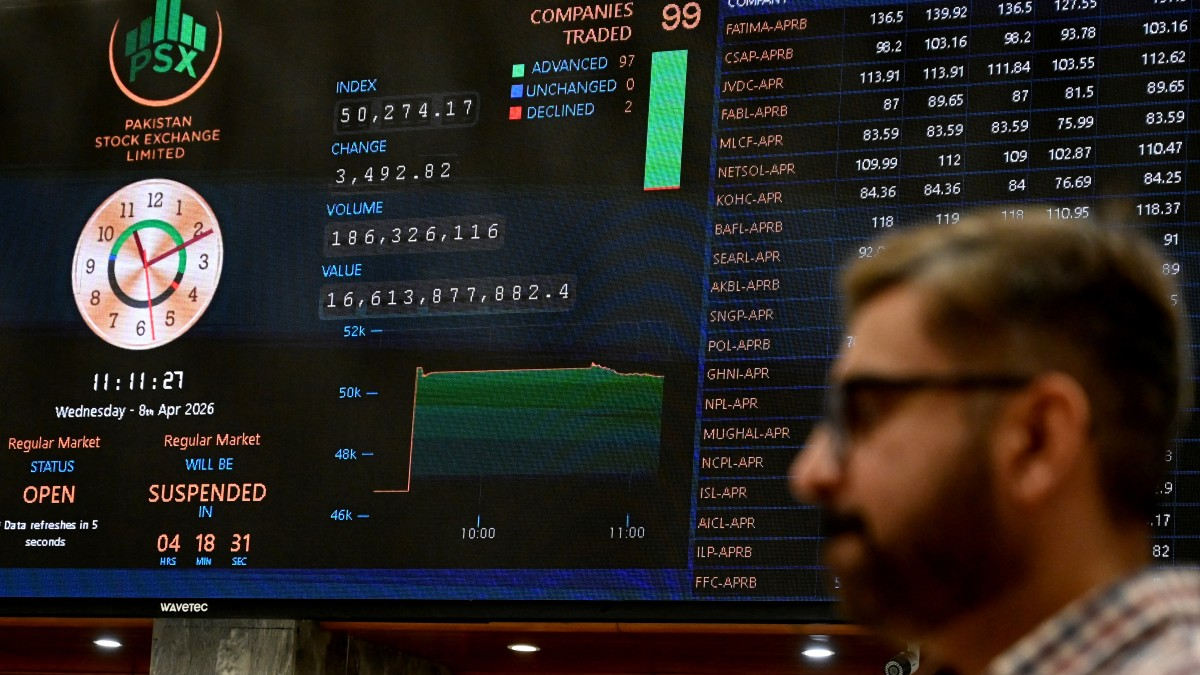
Precio del petróleo cae por el optimismo sobre un acuerdo de paz entre Irán y Estados Unidos: valor por barril se acerca a los 80 dólares
A barrel of North Sea Brent for delivery in August fell to $87.33. West Texas Intermediate is $84.88.
20
イラン側 米合意は最終決定至らず
21
米 イラン協議受け攻撃中止と表明
22
Presidente de Estados Unidos, Donald Trump, asegura que 'la guerra con Irán terminó', pero Teherán no confirma un acuerdo
The president said this Thursday at the White House that he had reached a 'great peace agreement' with Iran.

23
Irán desmiente a Donald Trump y asegura que todavía no tiene una 'conclusión final' sobre un acuerdo de paz con Estados Unidos
The Iranian spokesman recalled that the Islamic Republic is not willing to give in on its "red lines."

24
Donald Trump cancela los ataques previstos contra Irán y afirma que se logró un acuerdo con 'todas las partes implicadas'
However, Fars, citing an anonymous source close to the Iranian negotiating team, claimed that Tehran has not yet approved an agreement.

25
How to judge Trump’s claims he’s ended the Iran war CNN
26
How Trump has deceived himself on Iran CNN
27
The US president says a "great settlement" to end the conflict has been reached. Iran says reports of a deal are "speculative".

28
The BBC's Gary O'Donoghue looks at the US president's mixed messaging over the war and the questions it raises.

29
EN DIRECT, guerre au Moyen-Orient : l’armée américaine dit avoir intercepté des drones iraniens qui menaçaient des navires dans le détroit d’Ormuz
“Iran has launched several attack drones with the aim of striking commercial ships transiting the Strait of Hormuz,” the US Middle East Command (Centcom) wrote on X. “The forces…
30
EN DIRECT, guerre au Moyen-Orient : l’Egypte espère que les Etats-Unis et l’Iran saisiront « l’opportunité » d’un accord après l’annulation de frappes par Trump
Iran said on Thursday that no final decision had been made on a peace deal with the United States after US President Donald Trump announced he was calling off further strikes...
31
Iran-Usa, scambio di accuse ma l’accordo regge. Trump: “Europei irrilevanti”
Tehran's Foreign Minister confirms the draft and warns: "The enemy must stop making threats. We will not give in to pressure"
32
Si tratta su Hormuz e sul programma nucleare ma la chiave sono i soldi
The preliminary agreement revolves around four elements: the Strait, the frozen funds and sanctions, the nuclear bomb and the Lebanon issue
33
Vaez: “Si rischia lo scenario di Gaza e che l’intesa non arrivi alla fase due”
The analyst: “The agreement does not address the problems between the contenders, so the conflict could arise again later”
34
PAKISTAN’S ongoing role in helping bridge differences between the US and Iran has attracted considerable attention. Given the depth of hostility between Washington and Tehran, even keeping channels of communication open…

AI read
What the coverage agrees on, and where it splits
This view is generated from the clustered articles, so it is best read as a map of coverage rather than a replacement for the source reporting.
Broadly agreed
- All covering sources confirm that both the US and Iran have publicly signaled the deal is close and that a draft text exists.
- All sources confirm US military forces downed Iranian drones targeting commercial ships in the Strait even as talks progressed.
- Sources broadly agree that the deal involves Iranian nuclear programme concessions and Strait reopening in exchange for sanctions relief.
Contested framing
- BBC and CNN frame Trump's claims of having 'ended the war' skeptically as premature and potentially self-deceiving; Daily Sabah and Dawn treat the near-deal as a genuine diplomatic breakthrough.
- The Hindu argues the US should lift its blockade before demanding Hormuz reopening; SCMP and CNA treat the sequencing as a logistics problem without assigning moral responsibility.
- La Repubblica warns the deal may not reach a phase-two implementation and risks repeating a 'Gaza scenario'; Folha de S.Paulo and Deutsche Welle focus on structural endurance rather than collapse risk.
Still unclear
Whether the memorandum will actually be signed imminently remains unconfirmed, with the White House and Iranian authorities providing no immediate corroboration of Pakistan's assertion that final text is agreed.
Notable omissions
Russian outlet TASS does not cover the Iran-US deal substantively, avoiding any analysis of what a Hormuz reopening would mean for Russian energy revenues or geopolitical positioning.
Quality check
Reports of deal proximity rely heavily on intermediary claims; verify announcements from US and Iran directly before treating as certain.
- Core claim (deal 'close') rests on Pakistan's assertion with no White House or Iranian corroboration of final text agreement
- Trump's framing treated skeptically by some outlets (BBC, CNN) but not others—confidence in imminence varies
- 20% global oil trade figure in 'Why it matters' unsourced in article list
- No coverage of Russian perspective on Hormuz reopening despite obvious strategic interest
Review confidence: 65%
Signal strength
4/5
Narrative divergence
15
Sources compared
0
Days in coverage
How each outlet frames this story
Divergence
4/5
Narrative Divergence
How differently the sources covering this story frame it — measured by tone, emphasis, and what each outlet chooses to highlight or omit.
1 — Sources frame the story almost identically
2 — Minor differences in tone or emphasis
3 — Noticeable differences; some outlets highlight what others omit
4 — Stark contrasts; conflicting narratives
5 — Sources tell fundamentally different stories
British
BBC focuses on institutional decision-making and credibility gaps, noting Iran says a deal is close but Tehran has not formally confirmed any finalized text.
Indian
The Hindu frames the standoff through strategic autonomy, arguing the US should lift its blockade before demanding Iran open the Strait, and documents Indian sailors killed in attacks Trump attributed to Iran—which Tehran rejected as baseless.
German
Deutsche Welle frames the near-deal through institutional endurance and economic sustainability, highlighting the sticking points without militaristic framing.
Singaporean
CNA and Straits Times focus on the logistics and supply-chain implications, noting the US downed Iranian drones even as peace talks progressed, and that both sides agreed on a text.
Emirati
The National reports Iran agreed to halt its nuclear programme and surrender enriched uranium, and covers G7 efforts to bring Arab leaders into Hormuz talks, framing the crisis through Gulf regional autonomy.
Pakistani
Dawn highlights Pakistan PM Shehbaz's assertion that the final text was agreed, underscoring Pakistan's mediating role and framing it as a demonstration of Pakistani diplomatic leverage.
Japanese
Japan Times and Yahoo Japan focus on why the deal is taking so long, listing sticking points, and frame the crisis through Asian energy security vulnerability.
Italian
La Repubblica frames the preliminary agreement around four elements—the Strait, frozen funds, sanctions, and the nuclear programme—and warns of a 'Gaza scenario' risk if a phase-two deal fails.
Colombian
El Tiempo reports Iran signaling a deal could be signed 'in coming days' but warns about enriched uranium use, and covers the oil price drop driven by peace optimism.
Turkish
Daily Sabah frames the near-agreement through Iranian FM Araghchi's statement that the deal has 'never been closer,' treating it as institutional decision-making accountability.
Chinese
SCMP frames the situation through structural institutional vulnerability, reporting the US is '80-85%' confident of signing, and analyzes maritime security through supply-chain consequence rather than military framing.
French
Le Monde's live blog documents US interception of Iranian drones targeting commercial ships in the Strait, maintaining an expert-interpretive lens on the conflict's risks.
American
CNN frames the situation through scrutiny of Trump's self-deception on Iran and how to judge his claims of having ended the war, maintaining a critical accountability lens on the executive.