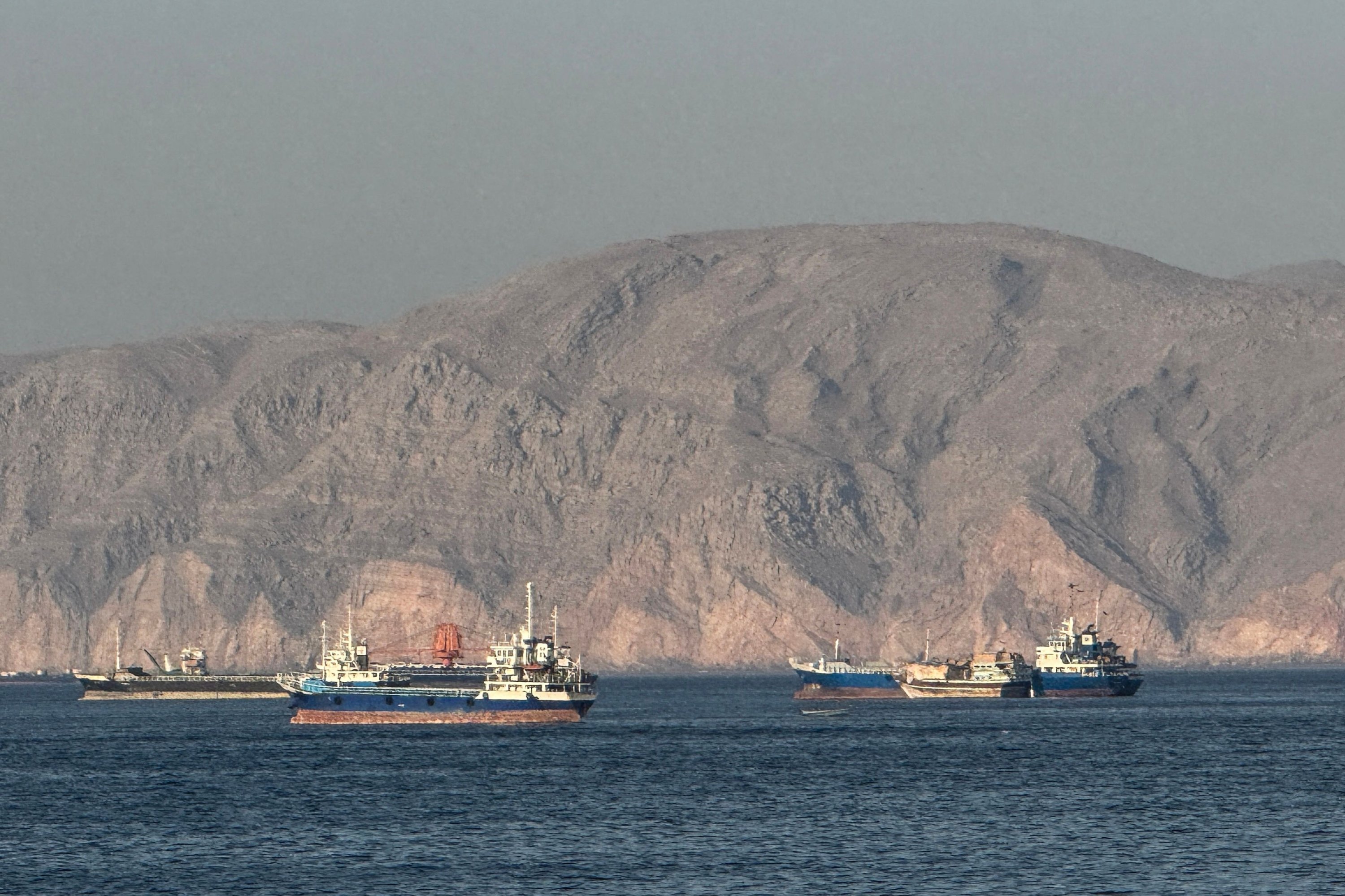
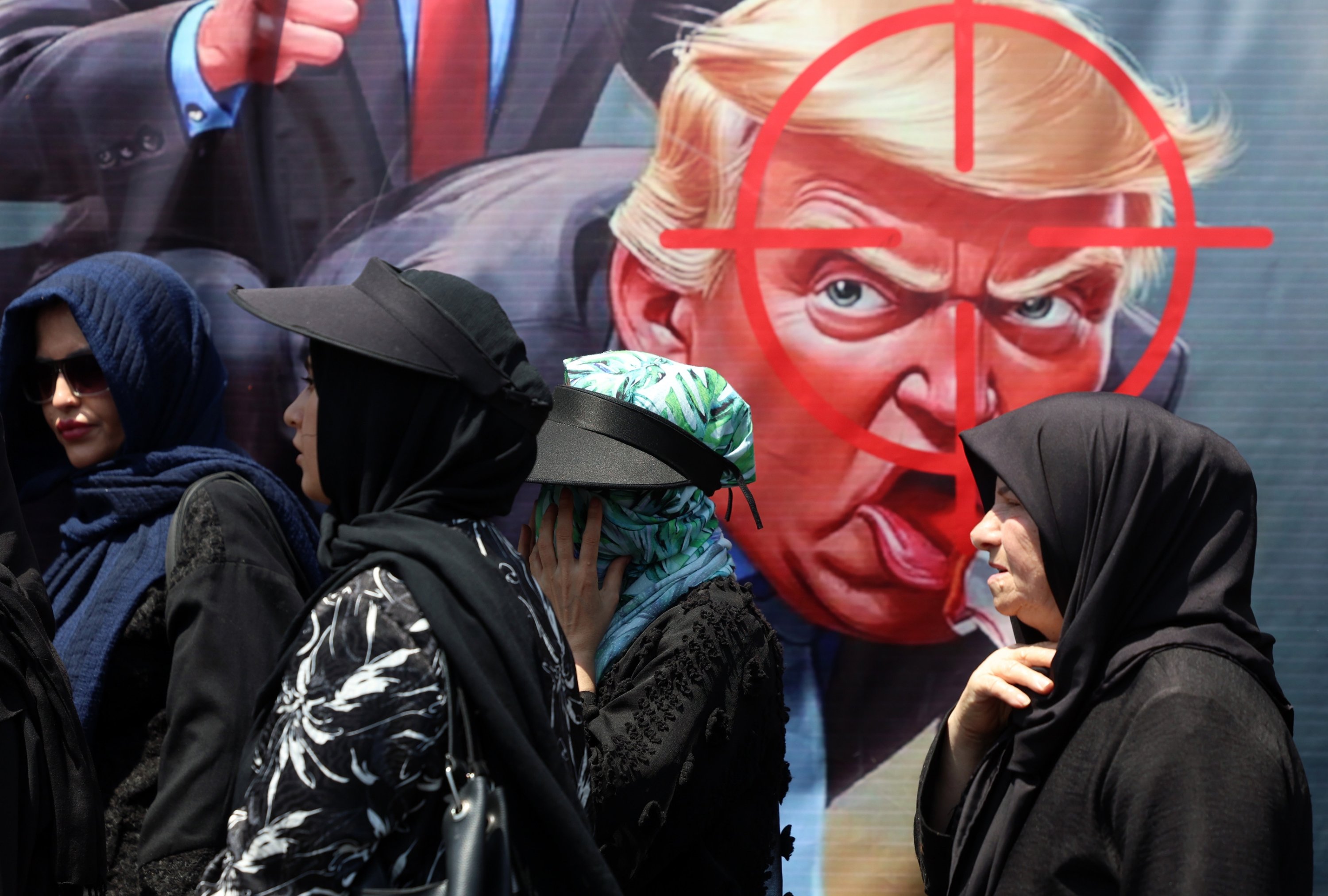
A deal over the Strait of Hormuz—through which roughly 20% of the world's traded oil passes—would end months of military confrontation between the US and Iran and directly determine global energy prices and shipping security.
8 sources12 articles7 perspectives
8Sources in this topicDifferent outlets covering the same story arc.
12Articles collectedThe full set backing this topic page right now.
4/5Narrative divergenceHover for scale explanation.
Narrative Divergence
How differently the sources covering this story frame it — measured by tone, emphasis, and what each outlet chooses to highlight or omit.
1 — Sources frame the story almost identically
2 — Minor differences in tone or emphasis
3 — Noticeable differences; some outlets highlight what others omit
The British Maritime Trade Operations Authority reported that an oil tanker reported hearing explosions while crossing the Strait of Hormuz, near the coast of Oman, at a time when Iranian-Omani talks are taking place regarding the management of the passage.
Reuters quoted officials and informed sources that the agreement on the negotiating table between Iran and the Sultanate of Oman regarding the Strait of Hormuz would give Tehran control over ships entering the Gulf through the waterway.
A proposed agreement between Iran and Oman would give Tehran control over ships entering the Gulf through the Strait of Hormuz, according to a senior Iranian source and two regiona...
L’Iran dit avoir trouvé un accord avec Oman sur un nouveau tracé dans le détroit d’Ormuz
The spokesperson for Iranian diplomacy announced that the geographical coordinates of the route envisaged by the two parties had been approved. Representatives from Oman have not yet confirmed the deal.
Iran and Oman have agreed a route for ships transiting the Strait of Hormuz and were finalising arrangements for jointly managing the strategic waterway, Tehran said on Wednesday, even as fresh security incidents…
President Donald Trump has claimed his administration had 'very good discussions' with Iran all day Tuesday, raising hopes for a possible, quick end to the five-month conflict. Oi...
AI read
What the coverage agrees on, and where it splits
This view is generated from the clustered articles, so it is best read as a map of coverage rather than a replacement for the source reporting.
Broadly agreed
All covering sources confirm Iran and Oman have agreed on coordinates for a shipping route through the Strait of Hormuz and that a formal announcement is imminent.
Sources across regions agree that Houthi attacks on Saudi oil tankers in the Gulf of Aden are continuing in parallel with the diplomatic process.
Multiple outlets confirm Iran has conditioned any final deal on US restraint from further military strikes.
Contested framing
Straits Times and Daily Sabah frame the deal as a dangerous concession giving Iran control over inbound Hormuz traffic; BBC and Le Monde frame it neutrally as an institutional agreement in final stages without emphasising Iranian leverage.
Yahoo Japan and The Hindu frame Trump as cautiously optimistic about an imminent deal; Folha de S.Paulo frames Trump as trapped between escalation and accepting Iranian terms, emphasising US weakness.
Still unclear
Whether the US has formally agreed to the Oman-brokered corridor terms or is still conditioning its acceptance on additional Iranian concessions remains publicly unconfirmed.
Notable omissions
No source in this cycle reports on the humanitarian or civilian consequences inside Iran of the ongoing conflict; coverage is dominated by shipping, energy, and diplomatic framing.
Quality check
Deal appears imminent but final US commitment unconfirmed; read with awareness of competing interpretations of Iranian leverage.
US formal acceptance of corridor terms remains unconfirmed; framing divergence between outlets on whether deal represents Iranian leverage or neutral institutional agreement
No coverage of humanitarian consequences inside Iran
Consensus claim overstates certainty—sources confirm discussion but not binding agreement completion
Review confidence: 70%
Signal strength
4/5Narrative divergence
8Sources compared
2Days in coverage
→ stable
How each outlet frames this story
Divergence4/5
Narrative Divergence
How differently the sources covering this story frame it — measured by tone, emphasis, and what each outlet chooses to highlight or omit.
1 — Sources frame the story almost identically
2 — Minor differences in tone or emphasis
3 — Noticeable differences; some outlets highlight what others omit
4 — Stark contrasts; conflicting narratives
5 — Sources tell fundamentally different stories
British
BBC reports Iran says a deal with Oman is in final stages but notes neither the US nor Oman has confirmed, foregrounding institutional ambiguity and credibility gaps in the announcement.
Qatari
Al Jazeera Arabic leads with tanker explosions in the strait and covers how parties view the proposed agreement, emphasising continued kinetic risk even as negotiations proceed.
French
Le Monde frames the deal as negotiations accelerating around a reopening of the strait and details the draft coordinates route agreed between Iran and Oman.
Indian
The Hindu reports Iran and Oman have reached understanding on coordinates and separately that Trump says the deal could be announced soon, reflecting the non-aligned interest in resolution.
Singaporean
Straits Times frames the proposed deal as potentially giving Iran control over inbound traffic—one of the biggest concessions yet—emphasising supply-chain structural vulnerability.
Turkish
Daily Sabah warns that the proposed Iran-Oman deal could give Tehran greater control in Hormuz and frames Turkish FM Fidan's Jordan visit partly in this regional security context.
Israeli
Times of Israel reports US Treasury Secretary saying a Hormuz deal could be sealed by Wednesday, framing it through American institutional decision-making accountability.
Copied!
Framing shifts since last cycle
FrenchShifted from procedural diplomatic analysis citing regional sources to concrete operational details (strait reopening, agreed coordinates), signaling move from speculation to substantive deal mechanics.
IsraeliDropped the Trump-Israel narrative about calling off an Iran attack; now frames exclusively through US institutional credibility, narrowing the story from geopolitical brinkmanship to administrative accountability.
QatariElevated from subordinated content below sports to lead position, and reframed from binary US-Iran positions to kinetic risk assessment, reflecting editorial prioritization of regional security threat over diplomatic theater.
SingaporeanShifted from neutral reporting of Trump warnings and deal rumors to critical framing of Iranian concessions as structural vulnerability, adopting an evaluative stance on deal terms rather than supply-chain impact alone.
TurkishMoved from Turkey-centric energy security framing to explicit warning about Iranian control gains, repositioning Turkey as reactor to regional shift rather than autonomous strategic actor.
Related coverage
More topic clusters connected by category, source overlap, or narrative signal.