The resolution is largely symbolic, but it adds to pressure on the White House to end the conflict once and for all.
How the world covered this
Read the editorial comparison
Prose synthesis of how each outlet framed the story, with side-by-side outlet quotes and divergence notes.
9 articles from 9 sources
01

02
It was the 10th time the Senate has tried to stop the war, and the outcome, on a vote of 50-48, was a stunning turnaround from past efforts

03
The US Senate backed legislation on Tuesday directing US President Donald Trump to halt US military action against Iran, the latest rebuke of the Republican president from an increasingly restive Congress. The Senate…

04
WASHINGTON, June 23 - The U.S. Senate backed legislation on Tuesday directing President Donald Trump to halt U.S.
05
El Senado de Estados Unidos vota por primera vez a favor de detener la guerra contra Irán y pide al presidente Donald Trump frenar el conflicto
Congress requests to suspend operations in the Middle East and shows deep internal divisions in the Republican caucus.

06
Senado dos EUA adota resolução para limitar poderes de guerra de Trump
The United States Senate approved this Tuesday (23) a resolution that seeks to limit Donald Trump's war powers and could suspend, for example, all military action or threats made by the Republican leader...
07
WASHINGTON, June 23 (Reuters) - Just one in four Americans believes President Donald Trump’s war with Iran was worth its costs and a majority worry that a truce with Tehran is unlikely to last, a Reuters/Ipsos poll…
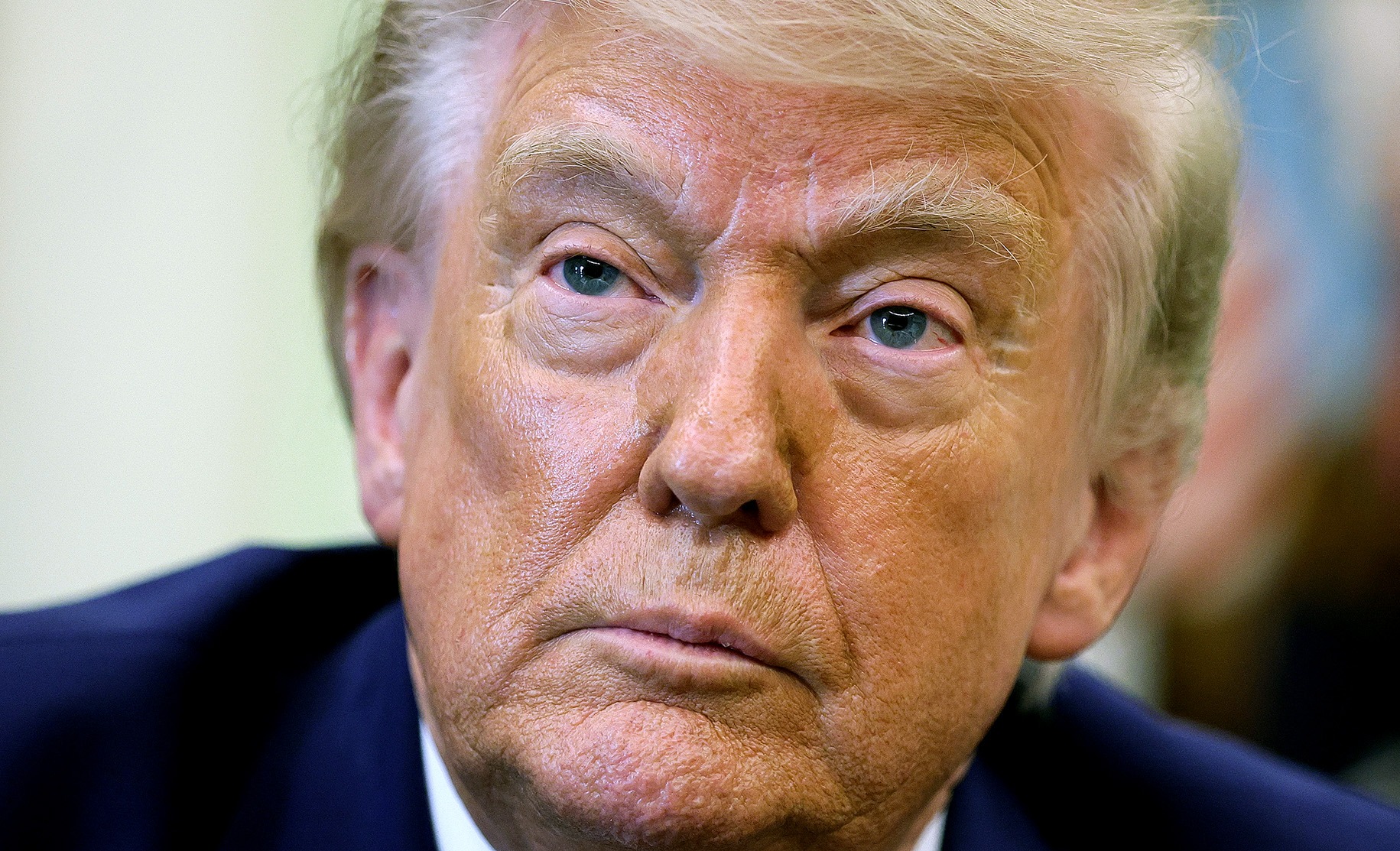
08
Trump crolla nei sondaggi. E il Senato lo sfida: mozione contro la guerra
Resolution passed limiting powers over Iran. And the tycoon's approval rating is plummeting: 66% reject his work
09
Trump critica al Senado por resolución que afecta su plan con Irán; los acusa de "dar consuelo al enemigo"
The president affirms that the Islamic Republic is "against the ropes"

AI read
What the coverage agrees on, and where it splits
This view is generated from the clustered articles, so it is best read as a map of coverage rather than a replacement for the source reporting.
Broadly agreed
- All covering sources confirm both the House and Senate passed the War Powers resolution directing Trump to halt Iran military action.
- Multiple sources confirm Trump's approval rating is at or near the lowest point of his second term, tied to the Iran war.
Contested framing
- BBC frames the resolution as 'largely symbolic' but pressure-adding; La Repubblica frames it as a direct political collapse signal with 66% rejecting Trump's work.
- El Universal and El Tiempo emphasize Republican division as the story; Folha de S.Paulo uses historical framing to interrogate executive overreach rather than focusing on the vote's immediate politics.
Still unclear
Whether Trump will comply with the resolution or veto it, and what practical effect a largely symbolic measure will have on ongoing US military operations against Iran, remains unconfirmed.
Notable omissions
TASS does not cover the War Powers vote; People's Daily is silent on US domestic political constraints on Trump's Iran policy.
Quality check
High-confidence fact pattern but limited predictive value about actual policy change.
- Resolution is 'largely symbolic'—readers should understand it does not automatically halt operations
- Compliance likelihood and practical enforcement effect explicitly unconfirmed
- Approval ratings cited but causal link to Iran war vs. other factors not established
- No coverage of Trump's stated response or veto likelihood
Review confidence: 85%
Signal strength
4/5
Narrative divergence
9
Sources compared
1
Days in coverage
How each outlet frames this story
Divergence
4/5
Narrative Divergence
How differently the sources covering this story frame it — measured by tone, emphasis, and what each outlet chooses to highlight or omit.
1 — Sources frame the story almost identically
2 — Minor differences in tone or emphasis
3 — Noticeable differences; some outlets highlight what others omit
4 — Stark contrasts; conflicting narratives
5 — Sources tell fundamentally different stories
British
BBC emphasizes the largely symbolic nature of the resolution but frames it as adding meaningful institutional pressure on the White House to end the conflict.
Indian
The Hindu calls it 'a stunning turnaround' and the 10th Senate attempt to stop the war, contextualizing it within a pattern of legislative-executive friction.
Chinese
SCMP frames the Senate vote as a rebuke of Trump, noting bipartisan support, without analyzing domestic US political implications beyond the vote itself.
Singaporean
Straits Times reports the vote in terse factual terms, noting it joins the House vote, without editorializing on political consequences.
Brazilian
Folha de S.Paulo frames Trump's war powers as a parallel to Roosevelt's executive overreach during the Depression, using historical comparison to interrogate institutional accountability.
Colombian
El Tiempo emphasizes deep internal Republican divisions exposed by the vote, framing it as a civic institutional accountability moment.
South African
Daily Maverick cites a Reuters/Ipsos poll showing only one in four Americans believes the Iran war was worth its costs and Trump approval at its term low, contextualizing the vote within collapsing public support.
Mexican
El Universal reports Trump calling the Senate resolution an act of giving 'comfort to the enemy' while insisting Iran is 'against the ropes,' framing it through executive institutional responsibility.
Italian
La Repubblica leads with Trump collapsing in polls and the Senate anti-war motion, noting 66% reject his work, linking the vote to domestic political deterioration.