JOHANNESBURG, July 10 - Frustrations over unemployment, crime and years of weak growth are driving South Africa's anti-migrant protests. But economists warn that the departure of thousands of foreign workers could end…
How the world covered this
Read the editorial comparison
Prose synthesis of how each outlet framed the story, with side-by-side outlet quotes and divergence notes.
6 articles from 3 sources
01
02
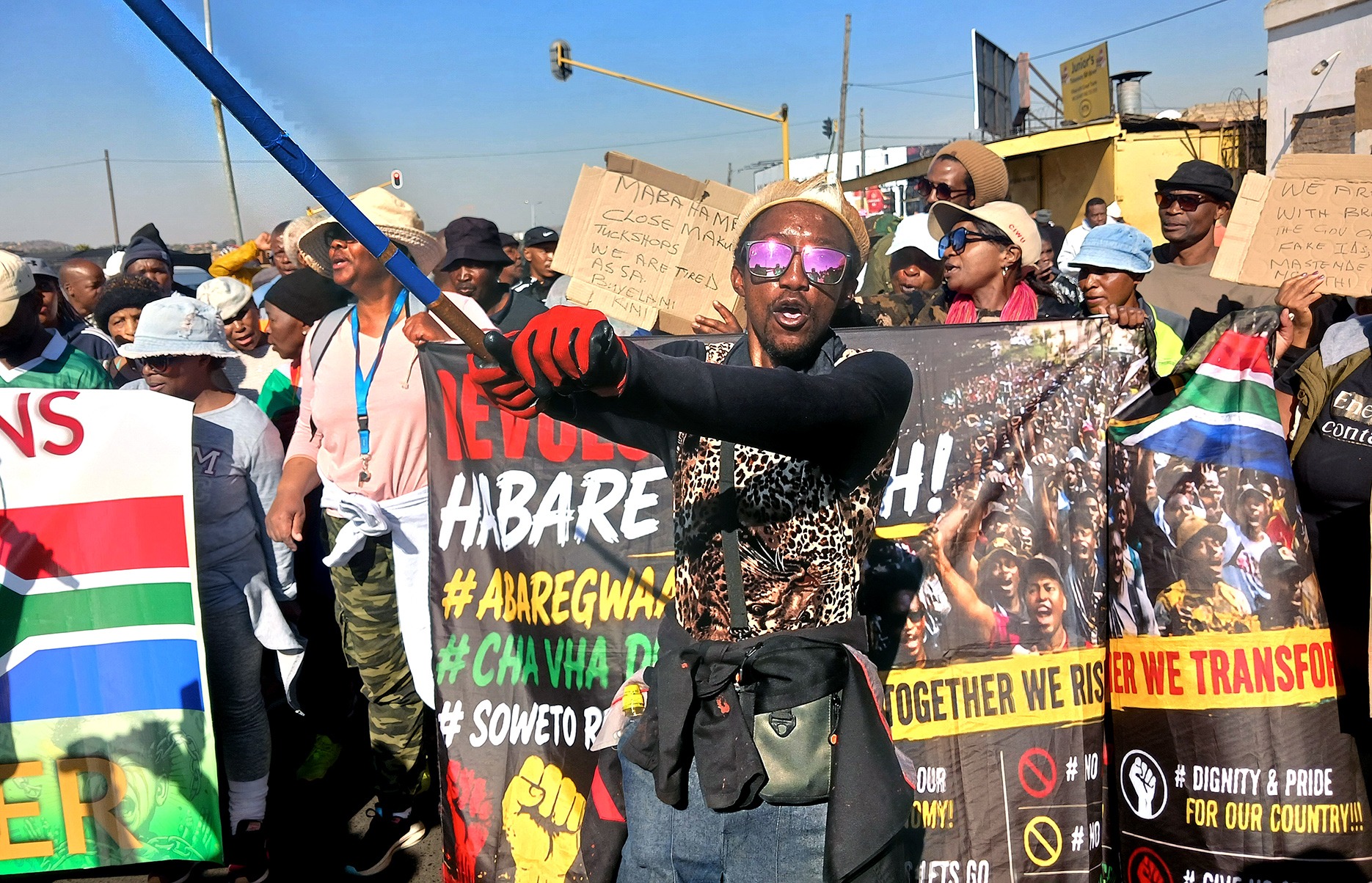
March and March has achieved something that no civic organisation has managed in years, and that is putting a single domestic issue at the top of national politics and keeping it there.
03
Campaigners resort to quasi-vigilante measures to enforce migration law because they say the police are not investigating their complaints and allege Home Affairs officials take bribes.
04
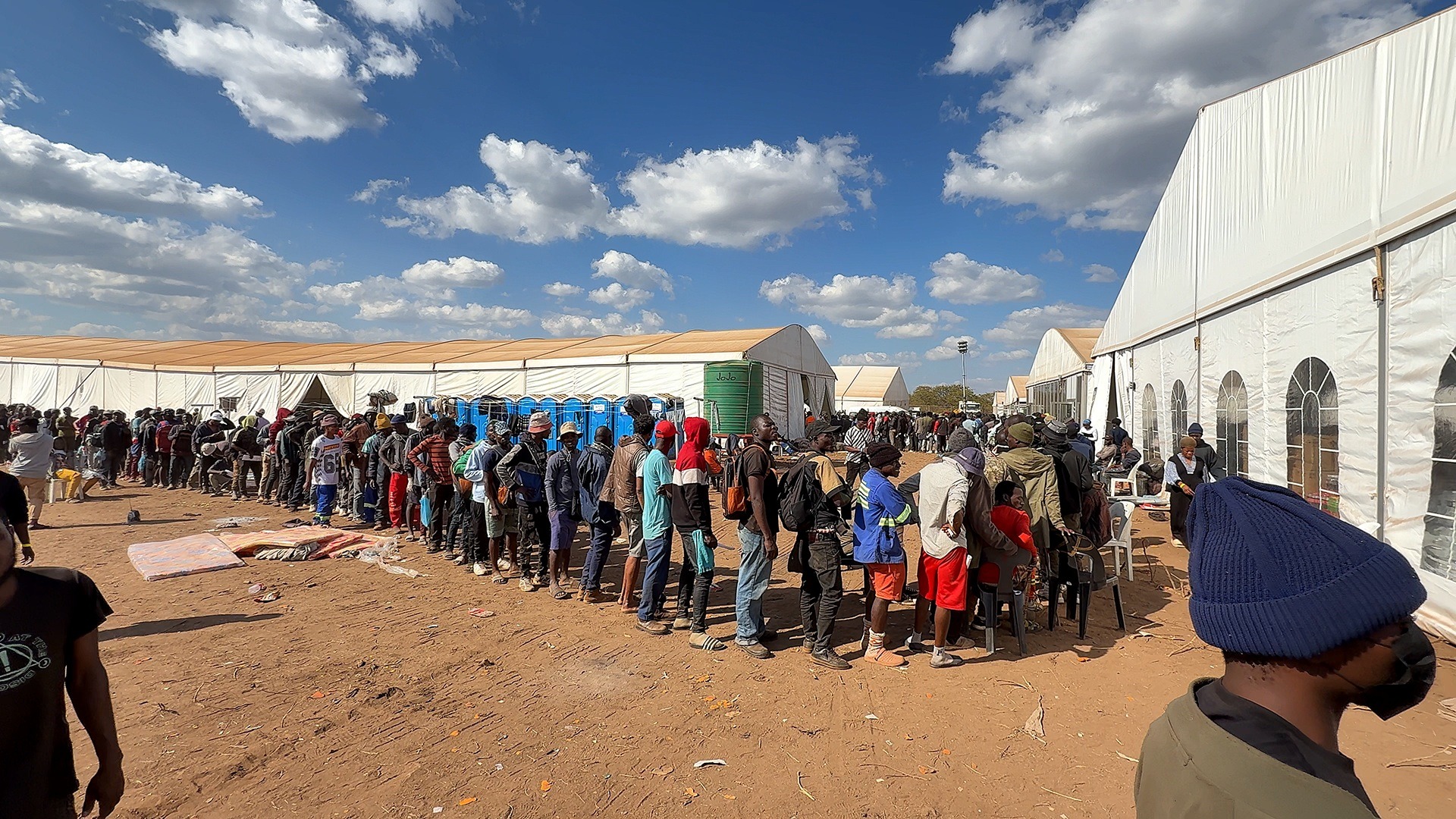
As thousands of migrants leave South Africa following weeks of anti-immigrant unrest, a temporary facility near Beitbridge has become the country’s final processing point, where officials and aid agencies are working…
05
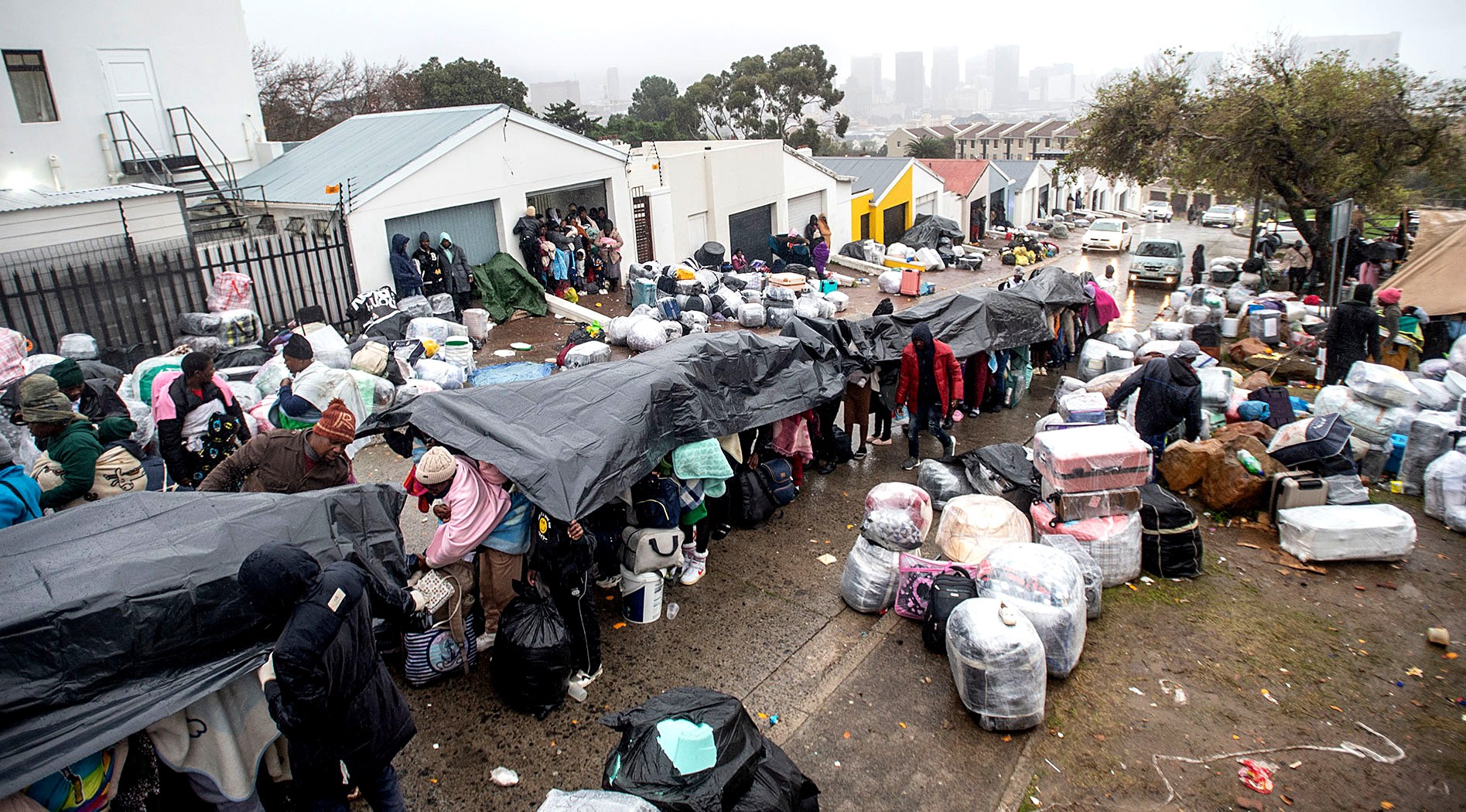
Amid anti-foreigner protests, South Africa has repatriated and deported more than 53,000 foreign nationals, primarily Malawians, Zimbabweans, and Mozambicans, highlighting a significant humanitarian crisis.
06
Two women tell DW how anti-migrant protests upended their lives in South Africa, forcing them to return to Zambia and rebuild from scratch.
AI read
What the coverage agrees on, and where it splits
This view is generated from the clustered articles, so it is best read as a map of coverage rather than a replacement for the source reporting.
Broadly agreed
- All covering sources confirm over 53,000 foreign nationals have been repatriated or deported from South Africa during the unrest period.
- Multiple sources confirm quasi-vigilante groups are conducting assaults on those they brand as foreign workers, operating outside official legal enforcement.
Contested framing
- Daily Maverick frames the unrest as illuminating systemic institutional credibility failure and xenophobia driven by governance breakdown; Straits Times frames it primarily as an economic risk story for investors and South Africa's growth outlook.
- Deutsche Welle humanises migrant victims through personal testimony; Daily Maverick focuses on institutional mechanism failure and political effectiveness of the campaign.
Still unclear
Whether the South African government will implement the enforcement reforms demanded by March and March, or whether the economic blowback will deter further protests, remains unresolved in available coverage.
Notable omissions
No outlet in this cluster addresses the role of South African political parties in fomenting or restraining the unrest, nor the specific economic sectors most affected by the departure of migrant workers.
Quality check
Read carefully: core facts on deportations and vigilantism are solid, but political drivers and economic consequences remain unclear.
- 53,000 deportations/repatriations figure is consistent, but no outlet breaks down by nationality/enforcement type despite claims
- Quasi-vigilante enforcement is confirmed but degree of coordination and scale are not quantified
- Daily Maverick institutional failure framing vs Straits Times investor risk framing represents genuine interpretation gap
- Critical omission: no coverage of political party role in fomenting/restraining unrest—limits explanation of escalation
Review confidence: 72%
Signal strength
3/5
Narrative divergence
3
Sources compared
2
Days in coverage
→ stable
How each outlet frames this story
Divergence
3/5
Narrative Divergence
How differently the sources covering this story frame it — measured by tone, emphasis, and what each outlet chooses to highlight or omit.
1 — Sources frame the story almost identically
2 — Minor differences in tone or emphasis
3 — Noticeable differences; some outlets highlight what others omit
4 — Stark contrasts; conflicting narratives
5 — Sources tell fundamentally different stories
Singaporean
Straits Times frames anti-migrant protests as risking economic blowback for South Africa, noting frustrations over unemployment, crime, and weak growth as structural drivers.
South African
Daily Maverick provides escalated accountability journalism: documents vigilante 'labour inspector' assaults on foreigners, reports 53,000+ repatriations and deportations, exposes overcrowded repatriation facilities near Beitbridge, and analyses what the marches actually achieved politically — consistent with its established corruption-exposure and institutional-credibility-collapse framing.
German
Deutsche Welle humanises the crisis through two women's personal testimonies — a Zambian and another forced migrant — who describe how the protests upended their lives and forced return to Zambia.