'I ate ketchup and cheese,' says Venezuelan girl trapped under quake rubble for 32 hours
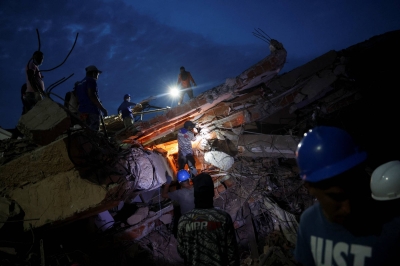
Fabiana was trapped in the rubble of a 10-storey residential building after two earthquakes rocked Venezuela in June.

With over 3,300 confirmed dead and 16,000+ injured from the June 24 twin earthquakes, Venezuela faces its worst natural disaster in a century while an authoritarian government under international scrutiny...
BBC News leads with a 12-year-old girl's survival story after 32 hours trapped under rubble, using individual testimony as accountability journalism. SCMP reports a security guard's ordeal after eight days buried alive, similarly foregrounding personal narrative. Both outlets use survivor testimony to document the disaster's human cost.
Folha de S.Paulo frames the disaster explicitly as exposing authoritarian government failures, with a 68-year-old Venezuelan woman's testimony used to illustrate the breakdown. The outlet treats the earthquake as eroding the government's political honeymoon and laying bare governance failures. SCMP quotes Venezuela's interim president vowing "no social unrest" after the death toll passed 3,300, presenting the government's framing alongside the human cost.
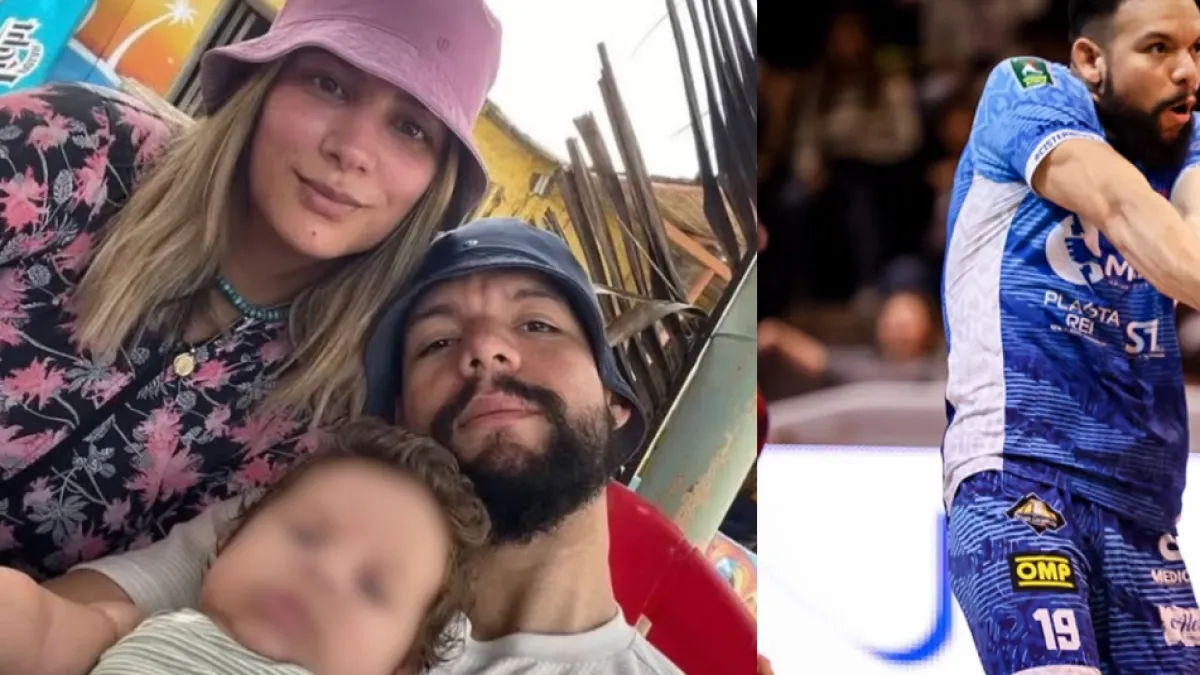
El Tiempo foregrounds Colombia's successful rescue mission as a regional humanitarian achievement, documenting the country's contribution to search and recovery. The outlet also reports the death of Venezuelan volleyball player Willner Rivas, using sports figures to humanize casualties. El Tiempo reports the UN warning of displaced persons while the government rules out social outbreak, creating tension between international concern and state minimization.
Venezuelan girl trapped under quake rubble for 32 hours shares survival
Venezuela quakes survivor shares ordeal after eight days buried alive
Earthquakes erode honeymoon with Delcy and lay bare dictatorship
Death toll in Venezuela already exceeds 3,000 after double earthquake
Whether ongoing aftershocks (800+ since June 24 per Folha) will cause additional structural collapses and further casualties remains a documented but unresolved risk.
Russian TASS and People's Daily carry no coverage of the Venezuela earthquake disaster, omitting one of the world's largest active humanitarian crises from their editorial output.
BBC centres a child survivor's 32-hour ordeal eating ketchup and cheese under rubble, using personal narrative to document institutional failure in rescue response.
SCMP presents a survivor's account of eight days buried alive, focusing on individual human experience and the rescue timeline without institutional critique of Venezuelan governance.
Folha de S.Paulo uses a deported Venezuelan woman's story at Miami airport to frame the earthquakes as exposing the underlying dictatorship's failures and eroding the 'honeymoon' with Delcy Rodríguez.
El Tiempo reports a Colombian rescue team reuniting with a child they saved, framing Colombia's USAR COL-1 mission as a humanitarian achievement and regional solidarity story.
Japan Times profiles the 'angel' rescue nurse who kept a trapped survivor calm for four and a half hours, using humanistic narrative framing consistent with humanitarian-consequence emphasis.
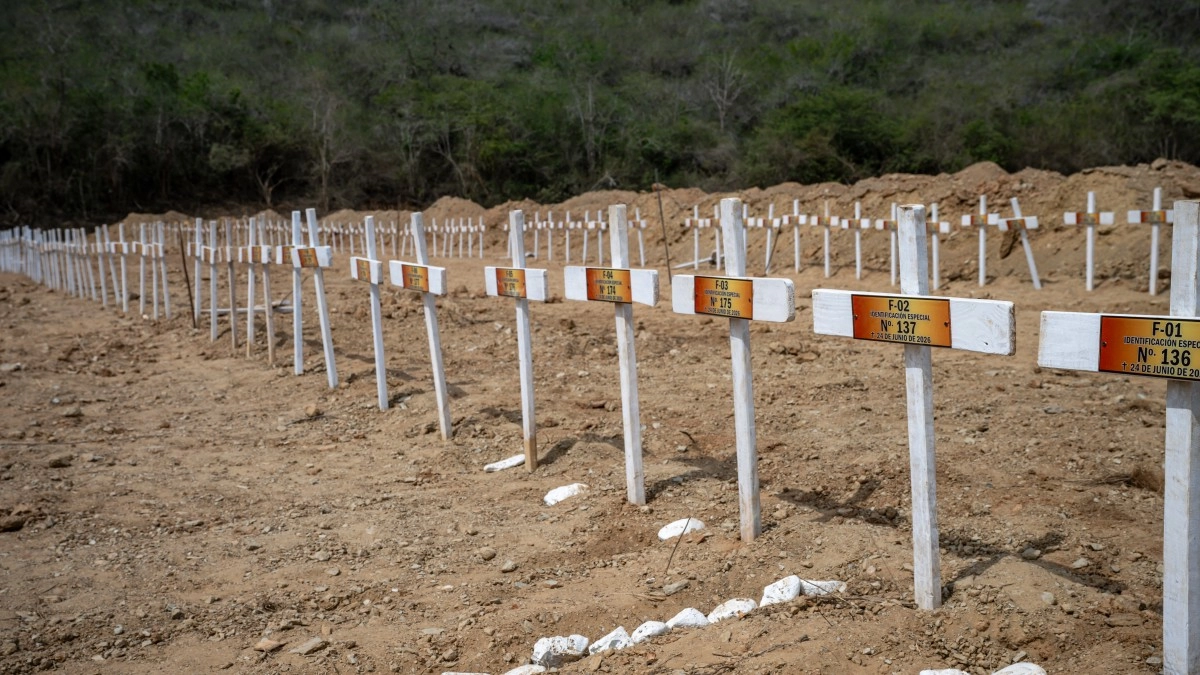
Le Monde reports the death toll exceeding 3,300 with dozens of unidentified bodies, examining institutional capacity failures in identification and rescue governance.
This page maps the coverage. The 20 articles below are the original reports the comparison is drawn from — open them for each publisher's full reporting.
Fabiana was trapped in the rubble of a 10-storey residential building after two earthquakes rocked Venezuela in June.
Hernan Gil was working his shift as a security guard in the basement of a building in Venezuela on the afternoon of June 24 when he felt the earth shake. The first tremor was short, Gil recounted in an interview from…

Venezuela’s interim president said on Sunday the country would not descend into social unrest after the twin earthquakes which killed more than 3,300 people and left thousands more missing. One of Latin America’s worst…

A week ago, in the lobby of Miami airport, Florida, María, a 68-year-old Venezuelan who was traveling to Maracay, Venezuela, to help her son's family after the earthquakes, said she feared the political implications...
Twelve days after the earthquakes that hit Venezuela, the country's government updated the number of deaths caused by the disaster to 3,342. According to the balance sheet released this Sunday (5),…
The Spanish club CV Guaguas confirmed the death of the player, found under the rubble of his home in La Guaira along with his family.
The earthquakes of June 24 are the deadliest in the last century in Venezuela. More than 17,345 people were also left homeless.
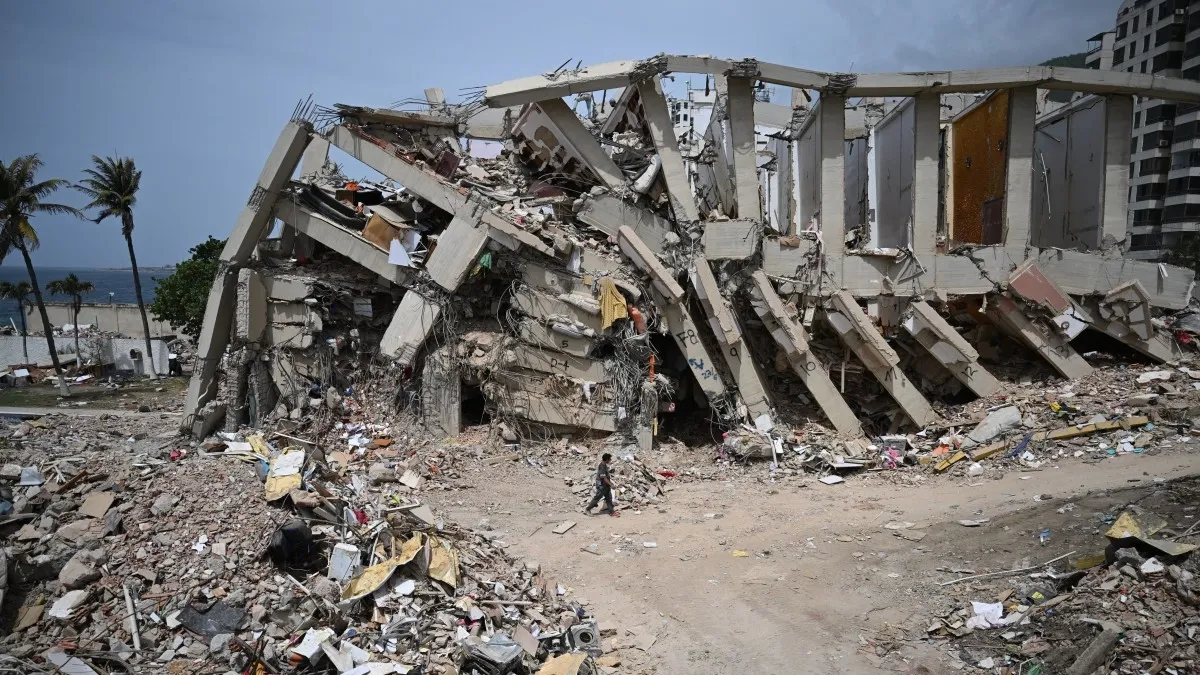
Despite the gradual withdrawal of international brigades, volunteers, firefighters, and Civil Protection personnel continue searching for bodies.
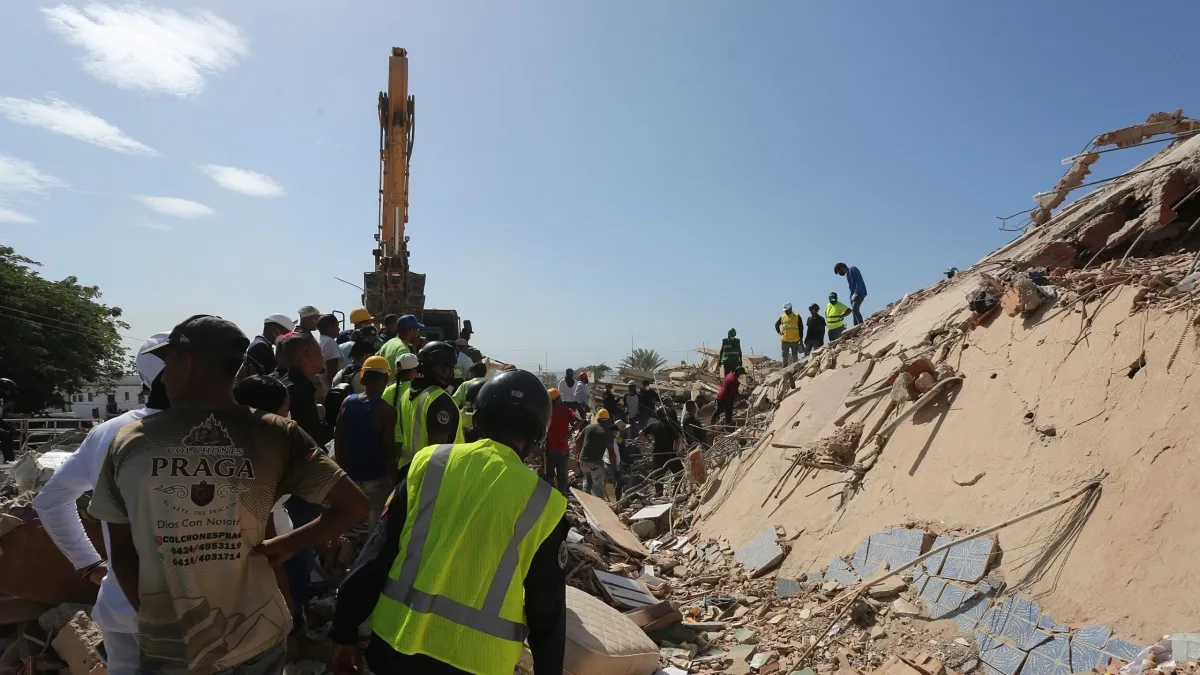
The Venezuelan Government estimates that more than 6,400 people have been rescued since the first hours of the double earthquake on June 24, which left almost 3,000 dead.
Hernán Gil was working his shift as a watchman in the basement of a building in Venezuela on the afternoon of June 24, when he felt a jolt on the floor. The first tremor was short, Gil said in an interview with the AFP agency in…
Twelve days after the earthquakes that hit Venezuela, the country's government updated the number of deaths caused by the disaster to 3,342. According to the balance sheet released this Sunday (5),…
The "angel," a former military nurse, spoke to one trapped survivor for four and a half hours during a rescue, hoping he would stay alive. It worked.
The minor and his father thanked the Colombian rescuers for the operation that allowed them to rescue him alive after two days under the rubble.
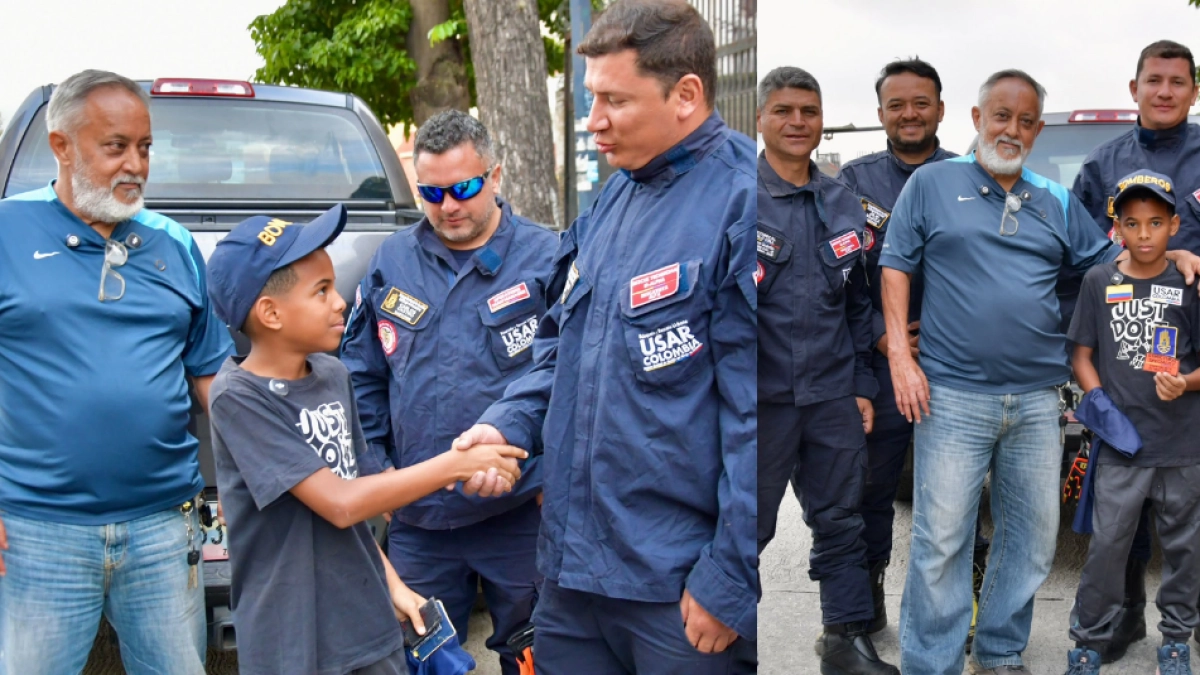
According to official figures, 6,462 people have been rescued alive with the support of 27 international delegations working with 137 dogs.

The catastrophe altered the political situation, stopped reforms and turned reconstruction into the new center of dispute.

The territory of Venezuela has been the target of more than 800 aftershocks -or small earthquakes- since June 24, when two tremors of magnitudes 7.2 and 7.5 devastated a large part of the country. Read more (04/07/2026 - 23:00)
Several entities in Brazil have started donation campaigns for the Venezuelan people, who are facing the consequences of two earthquakes. According to the official balance released this Saturday (4), 2,954 people died and more than 16…
The woman looks for seven of her relatives under the rubble, in hospitals and even in morgues.

According to the official balance, 6,462 people were rescued and 16,309 lost their homes, so 80 temporary camps were set up.

The authorities announced the deaths of 3,342 people and gave the figure of more than 16,000 injured. The hope of finding the missing is dwindling.