How the world covered it

Venezuela Earthquake Death Toll Climbs

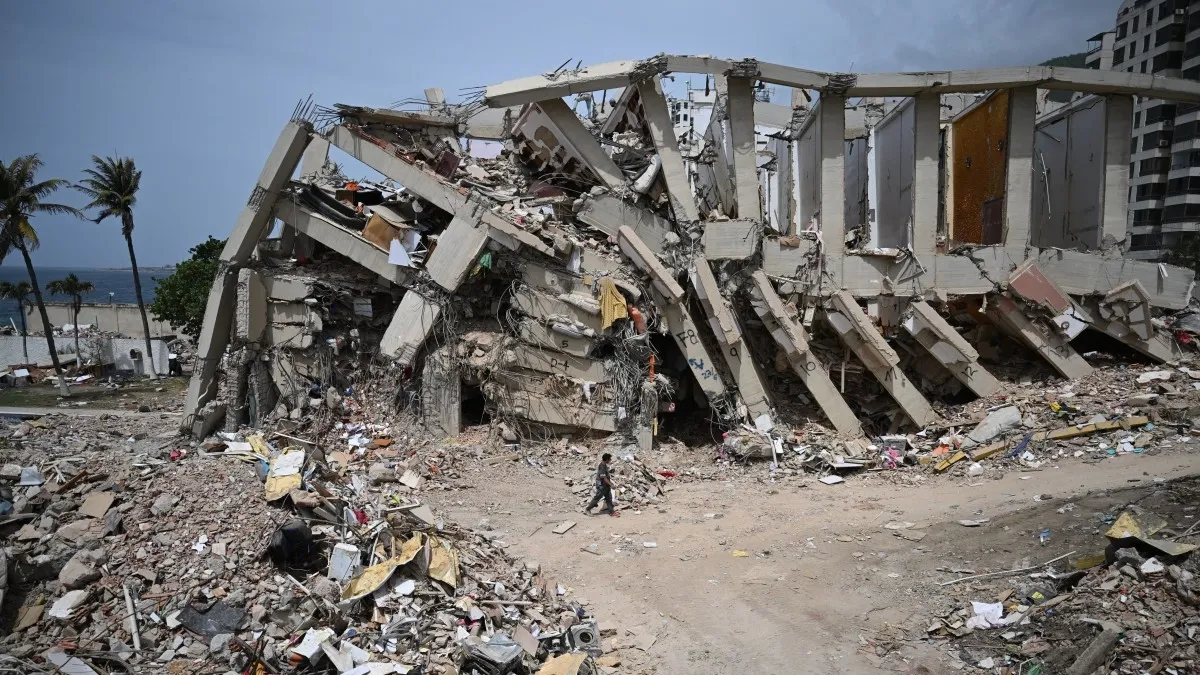
With the death toll from the June 24 twin earthquakes exceeding 3,600, Venezuela faces a compounding humanitarian crisis exposing the collapse of state infrastructure, seismic monitoring, and emergency...

Editorial comparison

Outlets converge on death toll figures; diverge on systemic infrastructure failure versus survivor stories and diaspora response.

Al Jazeera Arabic, Folha de S.Paulo, and Le Monde report the rising death toll (3,368–3,685) as the primary factual anchor. El Tiempo emphasizes systemic infrastructure collapse in seismic monitoring as a root cause, noting the country declined from 300 monitoring stations to fewer than ten over fifty years and connecting this to maximized disaster impact.

Folha de S.Paulo centers individual survivor stories and diaspora aid efforts—Brazilian teams searching, diaspora members collecting donations—without attributing systemic institutional blame as directly as El Tiempo does. Le Monde notes the reopening of Caracas airport as a recovery indicator, a development not emphasized in other outlets' treatment of the continuing crisis.

How each outlet opened the story

Death toll from double earthquake reaches 3,685 people

Deaths from earthquakes reach 3,685 regime announced

Le Monde France

Death toll 3,685 Caracas airport soon to reopen

Brazilian teams end search for missing father at bakery

El Tiempo Colombia

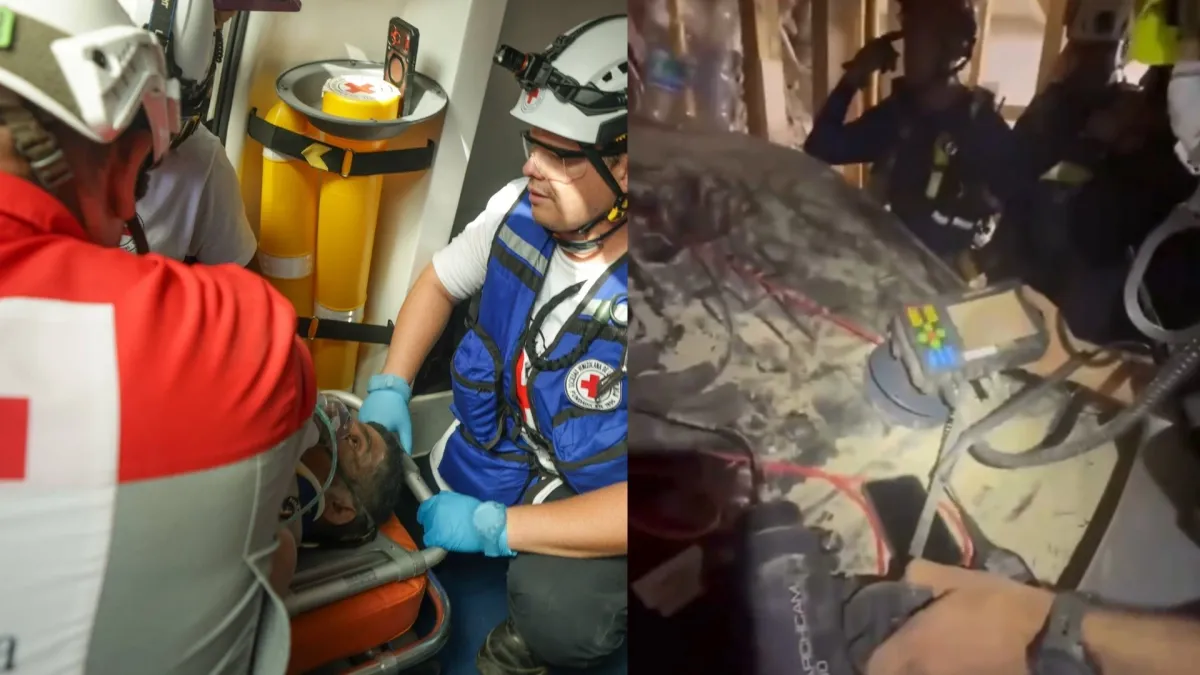
Security guard rescued after eight days in basement rubble

El Tiempo Colombia

Earthquake exposed crisis seismic monitoring collapsed stations

El Tiempo Colombia

US avoids Diosdado Cabello comments focuses on earthquake aid

Venezuelans in Roraima collect donations for victims

Coverage map

What coverage agrees on, contests, or leaves unclear.

Broadly agreed
  • All covering sources confirm the death toll has risen above 3,600 as of the reporting date.
  • Multiple sources confirm international rescue teams from seven or more countries participated but are beginning to withdraw.
Contested framing
  • El Tiempo focuses on systemic infrastructure failure in seismic monitoring as a root cause; Folha de S.Paulo emphasises individual survivor stories and diaspora aid without attributing systemic blame as directly.
  • Le Monde notes Caracas airport is soon to reopen as a sign of recovery; other outlets emphasise continuing crisis without noting this development.
Still unclear

The full extent of structural damage to buildings assessed under the 'traffic light' inspection system and the actual capacity of the Venezuelan government to process those assessments remain unverified.

Notable omissions

US and major Western outlets largely avoid interrogating the Maduro government's response capacity or governance failures directly; El Tiempo exposes the seismic monitoring collapse in detail that other outlets do not address.

Regional framing

How different outlets describe the same story.

Qatari

Al Jazeera Arabic reports the death toll rising to 3,685 with minimal institutional framing, displaced by sports content.

French

Le Monde emphasises family narratives and institutional rescue governance, noting foreign rescue teams withdrawing after finding no signs of life two weeks on.

Brazilian

Folha de S.Paulo uses personal testimony of survivors and diaspora donation efforts in Roraima to interrogate institutional failures, reporting a 14-metre truck sent from Boa Vista with aid and the search for a Brazilian father concluded without finding him.

Colombian

El Tiempo covers a security guard rescued after eight days in rubble with humanistic survival narrative, and separately exposes the collapse of Venezuela's seismic monitoring network from 300 stations to fewer than ten over fifty years.

Source trail

Original reporting behind this perspective.

This page maps the coverage. The 8 articles below are the original reports the comparison is drawn from — open them for each publisher's full reporting.

Show 8 source articles
Perspective link copied