SpaceX’s blow-it-up testing won’t fly on starship
This spending underscores the second obstacle. SpaceX is no longer a private company and has shareholders to please.
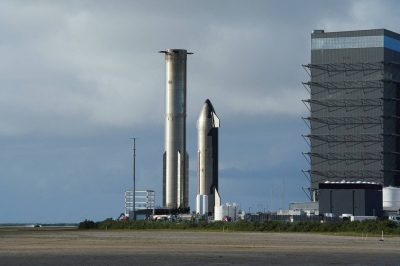
SpaceX's shareholder accountability constraints on its 'blow-it-up' testing culture, India's first successful commercial orbital rocket launch, a fire at a Tokyo GSDF camp, and Russia's new 12m folding...
Japan Times reports that SpaceX's "blow-it-up" testing culture faces shareholder accountability constraints now that the company is no longer private, framing governance as a limiting factor on testing aggressiveness. This implies private space development faces accountability friction when pursuing profit-maximizing innovation.
TASS reports Russia has created a new 12-meter folding satellite reflector as straightforward state capability achievement without governance complications. BBC News reports India's Skyroot Aerospace successfully launching Vikram-1, India's first commercial orbital rocket. Japan Times separately reports a fire at a Tokyo GSDF camp. These divergent framings reflect different narratives about space sector development: whether SpaceX's shift toward shareholder accountability represents governance maturation or constraint, versus state actors like Russia and India operating without such market-based accountability mechanisms.
SpaceX's blow-it-up testing won't fly on starship
Space start-up launches India's first commercial orbital rocket
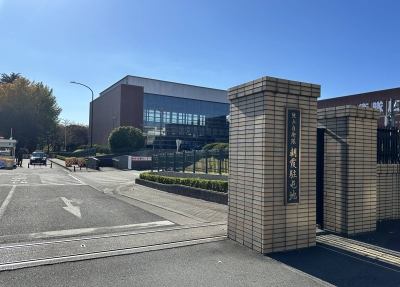
Fire breaks out at GSDF camp in Tokyo suburbs
A new folding reflector for satellites has been created
The operational timeline for Russia's new satellite reflector and its intended military versus civilian applications remain unconfirmed.
China's space program — which the Kompas source set confirms launched a Long March 12B rocket secretly — is absent from the cluster's analytical coverage despite being directly comparable to the other developments.
Japan Times frames SpaceX's transition from private to shareholder-accountable company as a fundamental constraint on its risk-taking testing culture, treating it as an infrastructure-accountability problem.
BBC reports India's first space-tech unicorn Skyroot Aerospace successfully launching Vikram-1 — India's first commercial orbital rocket — framing it as an institutional and technological milestone.
Japan Times reports a fire breaking out at a GSDF camp in Tokyo's suburbs, believed to have started at the garbage storage area.
TASS reports Russia creating a new folding satellite reflector with a 12-metre diameter — consistent with state capability achievement narrative framing.
This page maps the coverage. The 4 articles below are the original reports the comparison is drawn from — open them for each publisher's full reporting.
This spending underscores the second obstacle. SpaceX is no longer a private company and has shareholders to please.
India's first space-tech unicorn Skyroot Aerospace successfully launched Vikram-1 on Saturday.

The fire is believed to have started at the camp's garbage storage area, according to officials of the GSDF facility.
Its diameter is 12 m