OPEC+ agrees on new oil output hike as Hormuz gradually recovers
OPEC+ group has agreed on one more output hike, covering the adjustment for August, it said in a statement on Sunday, adding to global supply at a time when oil prices are falling...
OPEC+ agreeing to further output increases for August as the Strait of Hormuz gradually recovers signals a pivotal moment for global oil price trajectories and energy security after months of supply disruption...
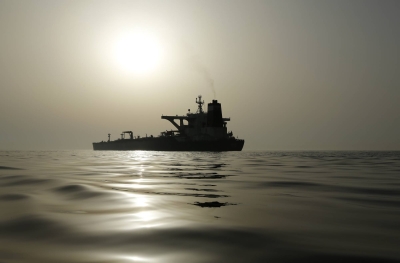
Daily Sabah reports "OPEC+ agrees on new oil output hike as Hormuz gradually recovers," framing the decision as a geopolitical energy security adjustment responding to regional stabilization. Dawn leads with "Oil drifts down after Opec+ agrees to raise output targets," centering the price-dampening mechanism: "Oil prices inched lower on Monday after Opec+ agreed to further increase its output targets from August." Japan Times shifts focus entirely to private sector adaptation, reporting "The supertanker tycoon making millions on Hormuz 'shuttle runs': Ga-Hyun Chung oversaw a successful covert project that sneaked crude oil out of the Persian Gulf through the vital waterway during the Iran" crisis, emphasizing entrepreneurial adaptation rather than OPEC+ institutional decision-making.
OPEC+ agrees on new oil output hike as Hormuz gradually recovers
Oil drifts down after Opec+ agrees to raise output targets
The supertanker tycoon making millions on Hormuz shuttle runs
The specific volume of the August output increase and whether it will be sufficient to fully normalise global oil prices remain unspecified in available summaries.
No outlet addresses the longer-term implications of the Hormuz standoff for energy transition investment, particularly whether the supply shock has accelerated or delayed renewable energy adoption in affected countries.
Daily Sabah frames the OPEC+ increase as a response to Iran's energy security opening and the Hormuz recovery, treating it through a regional energy geopolitics lens emphasising Turkish institutional positioning.
Dawn reports oil prices drifted lower after OPEC+ agreed to further output increases for August, with exports from key producers also weighing on prices, providing a market-impact framing.
Japan Times profiles a 'supertanker tycoon' who made millions running 'Hormuz shuttle runs' to sneak crude out of the Persian Gulf during the standoff, framing the Hormuz crisis through corporate resilience and individual entrepreneurialism.
This page maps the coverage. The 3 articles below are the original reports the comparison is drawn from — open them for each publisher's full reporting.
OPEC+ group has agreed on one more output hike, covering the adjustment for August, it said in a statement on Sunday, adding to global supply at a time when oil prices are falling...
Oil prices inched lower on Monday after Opec+ agreed to further increase its output targets from August, while exports from key producers via the Strait of Hormuz are recovering, potentially adding to global supplies.…
Ga-Hyun Chung oversaw a successful covert project that sneaked crude oil out of the Persian Gulf through the vital waterway during the Iran war.