Sinking yen and robust economy support BOJ case for earlier rate hike
Prime Minister Sanae Takaichi has indicated her preference for monetary easing, helping push the yen to its weakest level against the dollar since 1986.
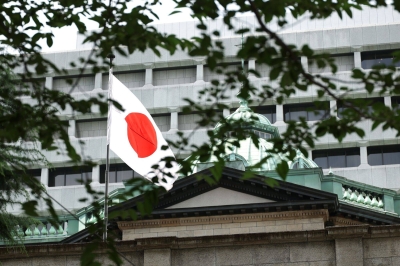
The Japanese yen is at a 40-year low, first-half bankruptcies have hit their highest level since 2022, and the Bank of Japan faces competing pressures from PM Takaichi's preference for monetary easing and...
Japan Times reports that a "sinking yen and robust economy support BOJ case for earlier rate hike," simultaneously noting that PM Sanae Takaichi "has indicated her preference for monetary easing, helping push the yen to its weakest level." This creates an internal policy contradiction: institutional arguments for rate hikes conflict with executive branch preference for easing. Japan Times also reports that "first-half bankruptcies reach highest level since 2022 as weak yen takes toll," with data suggesting "smaller firms that employ most of Japan's workers are finding it increasingly difficult to withstand the currency's prolonged weakness."
CNA reports Japan is using "ambush intervention tactics" against yen short sellers, suggesting covert policy action beyond interest rate management. CNN reports the yen is at a 40-year low and explains why this matters for the economy. The divergence is not between sources but within Japan Times itself: institutional arguments for BOJ action and PM preference for easing point to unresolved policy tensions rather than source disagreement.
Sinking yen and robust economy support BOJ case for earlier rate hike
Exclusive-Japan shifts to ambush intervention tactics against yen short sellers, sources say
First-half bankruptcies reach highest level since 2022 as weak yen takes toll
Japan likely reaped record tax revenues last year, sources say
The Japanese yen is at a 40-year low. Here's why that matters
Whether the BOJ will act on rate hike arguments before PM Takaichi's political term ends, and the threshold at which Japan's Finance Ministry will intervene formally in currency markets, is not resolved in the available summaries.
Chinese and Korean competitive responses to the weak yen — which advantages Japanese exporters against regional rivals — are not covered from those countries' perspectives in the available summaries.
Japan Times covers the sinking yen and robust economy supporting the BOJ's case for an earlier rate hike, while reporting that PM Takaichi's easing preference has pushed the yen to its weakest level against the dollar; also covers Japan likely reaching record tax revenues and first-half bankruptcies at a 4-year high.
CNN explains why the yen being at a 40-year low matters for the global economy, treating it as an international financial stability story.
CNA reports Japan is shifting to 'ambush intervention tactics' against yen short sellers — treating the currency defence as a market operations story with supply-chain implications.
This page maps the coverage. The 5 articles below are the original reports the comparison is drawn from — open them for each publisher's full reporting.
Prime Minister Sanae Takaichi has indicated her preference for monetary easing, helping push the yen to its weakest level against the dollar since 1986.

Data suggests smaller firms that employ most of Japan's workers are finding it increasingly difficult to withstand the currency's prolonged weakness.

The Japanese yen is at a 40-year low. Here’s why that matters CNN