How the world covered it

Houthi-Saudi Escalation in Yemen

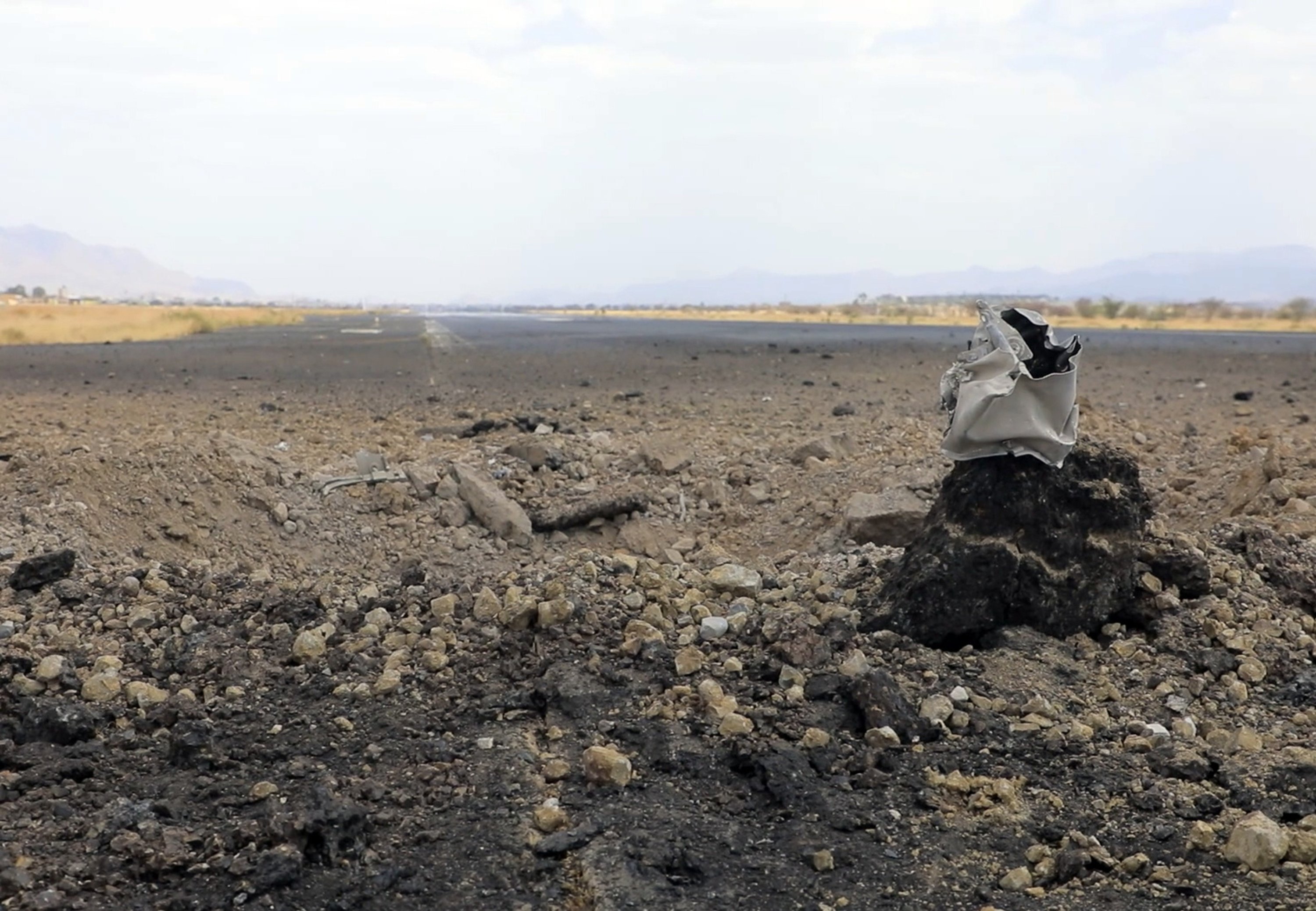
Yemen's Houthis fired missiles at Saudi Arabia in what is described as the biggest flare-up in years, after accusing Riyadh of bombing Sanaa airport, threatening to close Bab al-Mandab and destabilising a...

Editorial comparison

Coverage converges on Houthi missile strikes but diverges: Al Jazeera frames Iranian proxy direction; other outlets emphasise Yemeni government role and regional complexity.

Al Jazeera Arabic frames the Houthis as Iranian strategic proxy, asking explicitly 'How does Tehran view the escalation?' and positioning Iran as the strategic architect. The Hindu frames Yemen conflict as part of interconnected regional security dynamics without assigning Iranian direction, treating Houthi actions as autonomous escalation within regional equilibrium.

Pakistan's Dawn positions the conflict as straightforward Houthi aggression against Saudi Arabia, reporting Pakistan's UNSC statement backing Saudi Arabia as the framing anchor. Folha de S.Paulo and The National emphasise the complexity of Yemen's government role—that Sanaa airport attack was undertaken by government forces attempting to prevent an Iranian plane landing, making the Yemen government, not solely external powers, a causal actor.

Daily Sabah reports 'Iran-backed Houthis' while SCMP avoids this descriptor. The National frames it as revival of 'dormant conflict,' implying structural tensions beyond Iranian direction. The Hindu specifically notes Yemen government's failed diplomatic effort to convince Houthis before military action, positioning institutional failure rather than proxy manipulation as causation.

How each outlet opened the story

Yemen's Houthis fire missiles at Saudi Arabia in years

Daily Sabah Turkey

Yemen govt claims attack on Sanaa airport Houthis target Saudi

Houthis attack Saudi Arabia and threaten to close Red Sea

The Hindu India

Yemen government says attacked Sanaa airport reviving dormant conflict

Between the truce and Bab al-Mandab how does Tehran view escalation

From fragile truce to new Houthi threats Yemen crisis reignited

Dawn Pakistan

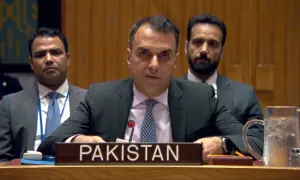
Pakistan expresses solidarity with Saudi Arabia at UNSC

Coverage map

What coverage agrees on, contests, or leaves unclear.

Broadly agreed
  • Multiple sources confirm Houthi forces fired missiles at Saudi Arabia following accusations that Riyadh bombed Sanaa airport.
  • Sources broadly agree this represents the most significant Houthi-Saudi flare-up in years.
Contested framing
  • Al Jazeera Arabic frames the Houthis as an Iranian strategic proxy; The Hindu frames the Yemen conflict as part of interconnected regional security dynamics without assigning Iranian direction.
  • Pakistan's Dawn positions the conflict as a straightforward Houthi aggression against Saudi Arabia at the UNSC; Brazilian and Qatari outlets emphasise the complexity of the Yemen government's own role in triggering the escalation.
Still unclear

Whether Houthis will follow through on threats to close Bab al-Mandab, and the full extent of damage from missile strikes on Saudi territory, remain unconfirmed.

Notable omissions

TASS and People's Daily are absent from Yemen coverage; the humanitarian consequences for Yemeni civilians of renewed escalation are not foregrounded by any of the covering sources.

Regional framing

How different outlets describe the same story.

Chinese

SCMP frames the Houthi-Saudi escalation as part of the broader US-Iran conflict spilling into Yemen, analysing how regional proxy dynamics are now interconnected.

Turkish

Daily Sabah reports the Yemen government's claim of attacking Sanaa airport to prevent an Iranian plane from landing, and Houthi retaliatory strikes on Saudi Arabia, framing it as a regional institutional failure.

Brazilian

Folha de S.Paulo focuses on the threat to close the Red Sea, framing it as an unpredictable new component of the broader Middle East crisis with global shipping consequences.

Pakistani

Dawn reports Pakistan's UNSC solidarity with Saudi Arabia, condemning Houthi attacks — demonstrating Islamabad's alignment with Gulf security interests at the UN level.

Indian

The Hindu analyses Yemen as a hinge between West Asia and the Horn of Africa, framing the escalation as part of interconnected regional security dynamics rather than an isolated proxy war.

Emirati

The National provides detailed background on how the fragile Yemen truce reignited and Houthi threats have escalated, framing it within Gulf regional collective security concerns.

Qatari

Al Jazeera Arabic analyses how Tehran views the Yemen escalation in relation to Bab al-Mandab and the broader Iran-US standoff — framing the Houthis as a strategic Iranian asset rather than an independent actor.

Source trail

Original reporting behind this perspective.

This page maps the coverage. The 7 articles below are the original reports the comparison is drawn from — open them for each publisher's full reporting.

Show 7 source articles
Perspective link copied