Hamas names Khalil al-Hayya as new overall leader
The Palestinian armed group's Qatar-based chief negotiator replaces Yahya Sinwar, who was killed by Israeli forces in Gaza in 2024.

Hamas electing Khalil al-Hayya — its lead ceasefire negotiator — as its new overall leader signals a potential hardening against disarmament pressure while simultaneously keeping open a negotiating channel...
Times of Israel uniquely emphasises Israel's prior targeting history, leading with "Israel tried to kill him last year" as contextual fact. The outlet frames al-Hayya's election through the lens of Israeli security concerns and previous operational attempts.
BBC News treats the appointment as institutional succession within Hamas, reporting al-Hayya "replaces Yahya Sinwar, who was killed by Israeli forces in Gaza in 2024." The outlet foregrounds the procedural fact of succession without the targeting history as primary context.
Folha de S.Paulo frames the appointment as signalling "hardening against pressure for disarmament," with experts cited interpreting the choice as strategic positioning. SCMP situates al-Hayya's role as "lead negotiator in ceasefire talks," emphasising the ongoing diplomatic channel without predicting hardening. Daily Sabah reports the appointment factually as "head of its political bureau."
Hamas names Khalil al-Hayya as new overall leader
Hamas appoints new leader signalling hardening against disarmament
Khalil al-Hayya named new Hamas political bureau chief
Hamas lead negotiator in ceasefire talks elected as new chief
Hamas elects al-Hayya; Israel tried to kill him last year
Whether al-Hayya's election will change Hamas's negotiating position on ceasefire terms or disarmament has not been confirmed by any source.
Al Jazeera Arabic, despite its Qatar-based funding and proximity to Hamas's political leadership based in Qatar, does not appear to have dedicated geopolitical coverage of the al-Hayya appointment in today's available articles, prioritising sports content instead.
BBC identifies al-Hayya as the Qatar-based chief negotiator who replaces Yahya Sinwar, killed by Israeli forces, framing the appointment as a succession within Hamas's political structure.
Folha de S.Paulo frames al-Hayya's appointment as signalling a hardening against disarmament pressure, integrating expert interpretation with structural accountability analysis.
Daily Sabah identifies al-Hayya as a senior Hamas member succeeding as head of the political bureau, framing it through Palestinian resistance and institutional continuity.
SCMP describes al-Hayya as Hamas's lead ceasefire negotiator now elected as the group's new chief, situating the appointment within ongoing ceasefire diplomacy.
Yahoo Japan covers the naming of Haiya as the new Hamas leader as a factual development without extended analysis.
Times of Israel notes Israel tried to kill al-Hayya last year, contextualising the appointment within Israeli security threat assessment and ongoing military targeting policy.
This page maps the coverage. The 6 articles below are the original reports the comparison is drawn from — open them for each publisher's full reporting.
The Palestinian armed group's Qatar-based chief negotiator replaces Yahya Sinwar, who was killed by Israeli forces in Gaza in 2024.
The terrorist group Hamas announced this Monday (20) the appointment of Khalil al-Hayya as its top leader. According to experts, the choice indicates that the faction will have to adopt a more rigid stance in the face of…
Palestinian resistance group Hamas on Monday named senior member Khalil al-Hayya as head of its political bureau, succeeding Yahya Sinwar, who was killed by Israeli forces in Gaza...
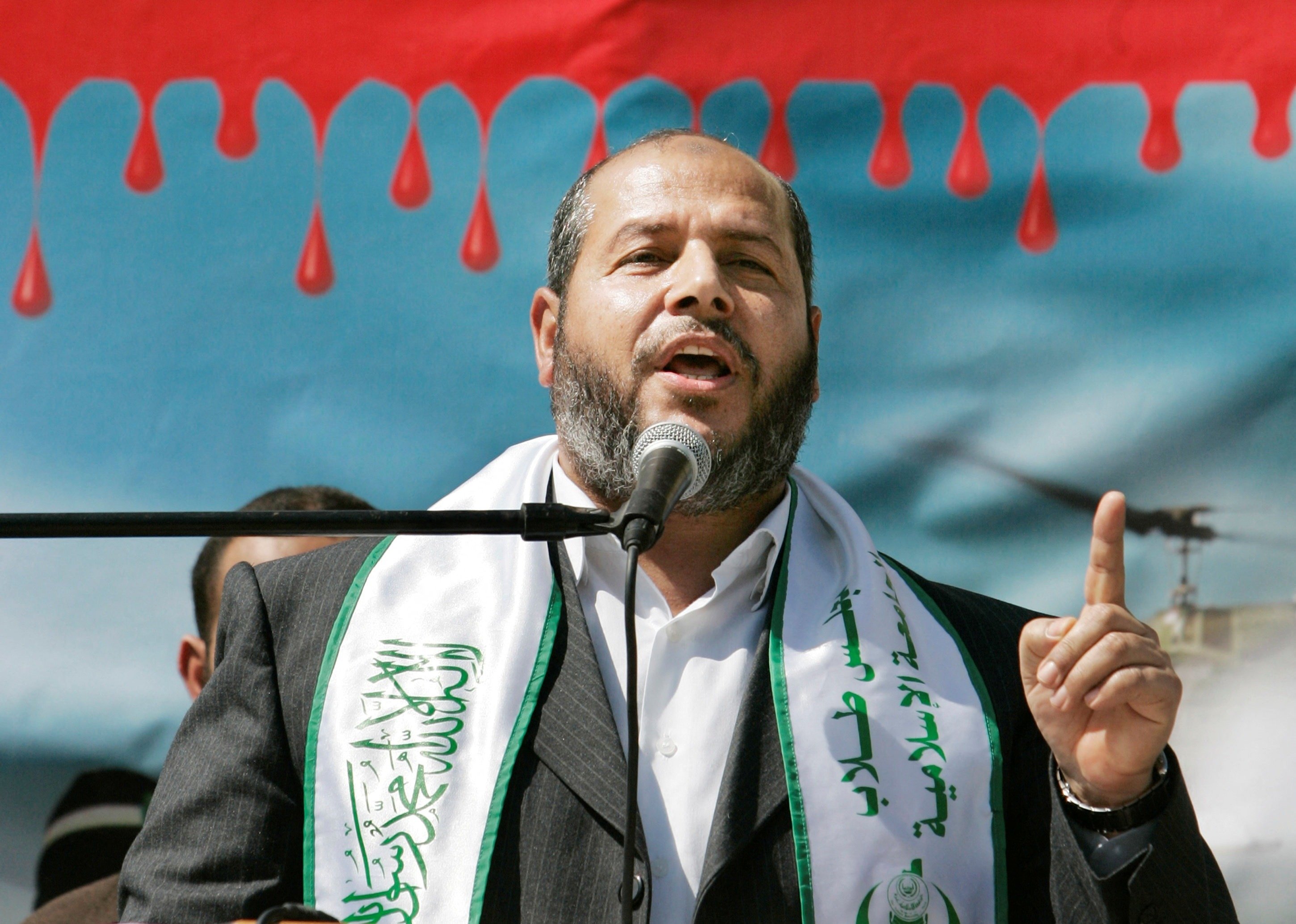
Palestinian Islamist movement Hamas announced on Monday that it had elected Khalil al-Hayya, the group’s lead negotiator in indirect ceasefire talks with Israel, as the new head of its political bureau. “The Islamic…

Hamas elects Khalil al-Hayya as its new leader; Israel tried to kill him last year The Times of Israel